TLDR: The way creators sell online has fundamentally shifted in 2026. Building a creator business no longer requires a traditional ecommerce store, a web developer, or months of setup time. Platforms like POP.STORE have made it possible to launch a complete monetization system directly from your social media profile. This guide covers five creator business models that are working right now and the tools that power each one.
Something interesting happened to the creator economy between 2023 and 2026. The gap between having an audience and running a real business closed almost completely. What used to take a Shopify store, an email marketing platform, a booking tool, and a separate landing page builder can now be handled by a single creator commerce platform. The result is that creators who previously thought of themselves as content makers are now thinking of themselves as business owners, and the numbers are reflecting that shift.
The platforms driving this change are not all equal. Some are built for beginners and hit a ceiling fast. Others are built with the kind of depth that grows with you. For creators who are serious about building sustainable income in 2026, finding a credible stan store alternative that can handle multiple revenue streams is one of the most important decisions they will make this year.
Why Creator Business Models Have Evolved So Rapidly
Three things happened at once. Social media platforms built better native shopping experiences, which trained audiences to buy directly from their feeds. AI tools arrived that made creating digital products faster and easier than ever before. And a new generation of all-in-one creator platforms emerged that combined storefront, booking, email, and analytics in a single place.
The creator who used to need a team to run a real online business can now run it solo. That changes who can compete, and it changes what success looks like. Business models that seemed out of reach for solo creators three years ago are now standard.
Top 5 Creator Business Models That Are Working in 2026
1. The Digital Product Stack
The digital product stack is the most scalable creator business model available in 2026. It involves creating a series of related digital products at different price points, from low-cost PDFs and templates to mid-range courses and high-ticket toolkits, and selling them from a single storefront.
The key to making this model work is not having one great product. It is having a logical progression of products that take a buyer from their current situation to a desired outcome, with each product in the stack building naturally on the last.
POP.STORE handles this model exceptionally well. You can list multiple digital products, set individual pricing, and organize your storefront so buyers naturally discover higher-value offers after their first purchase. There are no transaction fees on any plan, which matters significantly when you are selling at volume across multiple price points.
What makes the digital product stack work:
- Entry-level products convert cold audiences with low financial risk
- Mid-tier products deliver deeper transformation and build trust
- High-ticket products serve your most committed buyers
- The same traffic drives revenue across all three levels simultaneously
- Automated delivery means no manual fulfillment regardless of sales volume
2. The Coaching and Community Hybrid
This model combines one-on-one or group coaching with an ongoing community membership. Buyers get access to live sessions and a private community for a recurring monthly fee, creating predictable revenue for the creator alongside the relationship depth that digital products alone cannot provide.
The coaching and community hybrid has become popular because it solves a problem that purely digital product businesses face: churn. When buyers finish a course or download a template, there is no natural reason to keep paying. A community gives them a reason to stay, and coaching sessions give the relationship ongoing value.
Booking tools integrated directly into a creator storefront make this model operationally simple. POP.STORE includes coaching booking as a native feature, meaning you can offer coaching sessions and community access from the same page where you sell your digital products. Everything lives in one place for both the creator and the buyer.
3. The AI-Powered Personalization Model
This is the most interesting emerging business model for creators in 2026 and it is only possible because of recent developments in AI tools built specifically for creator platforms. The model works by using AI to personalize the storefront experience for each visitor, showing different product recommendations, offer sequences, and messaging based on how the visitor arrived and what they have engaged with previously.
POP.STORE’sAI Echo feature is the most developed version of this capability available in a creator platform right now. It learns from your store’s traffic patterns and buyer behavior to surface the right offers to the right visitors at the right time. For creators with growing audiences, this kind of intelligent optimization replaces what would otherwise require a dedicated conversion rate optimization specialist.
The practical impact is measurable. Creators using AI-driven personalization report higher average order values and better conversion rates from the same volume of traffic, simply because the storefront experience becomes smarter over time rather than staying static.
What AI-powered personalization does for creator businesses:
- Surfaces relevant products based on visitor behavior
- Optimizes offer sequencing for different audience segments
- Identifies which products are most likely to convert for each traffic source
- Reduces reliance on manual A/B testing
- Improves over time without additional input from the creator
4. The Social-First Sales Funnel
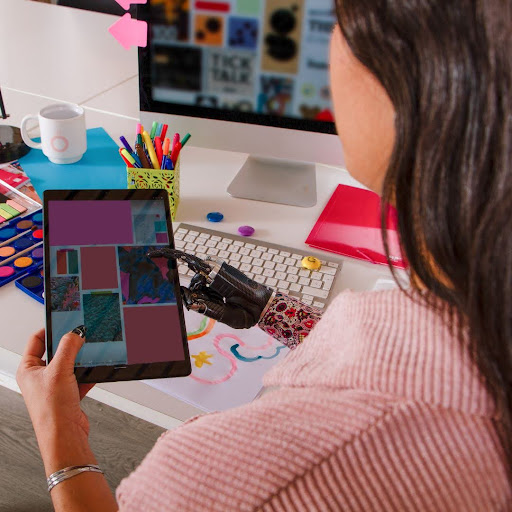
The social-first sales funnel treats your link in bio page as the top of a complete sales system rather than just a list of links. Every post, reel, or video drives traffic to a single destination that is optimized to convert visitors into buyers or subscribers depending on where they are in the buying journey.
This model has become dominant in 2026 because social media platforms now prioritize content that keeps users engaged, which means content that leads to a single clear call to action consistently outperforms content that tries to send audiences to multiple different places.
The execution requires a link in bio page that functions more like a proper storefront than a simple link list. It needs to show products, communicate value, and make purchasing easy from a mobile screen. POP.STORE’s link in bio store is built specifically for this purpose, combining a shoppable product display with a clean mobile-first layout that converts social traffic into sales without requiring the visitor to go anywhere else.
Key elements of a high-converting social-first funnel:
- One primary call to action per piece of content
- Link in bio page that matches the promise of the content
- Fast loading on mobile with minimal friction to purchase
- Clear product descriptions that continue the story from the original post
- Follow-up email or SMS sequence that activates after the first visit
5. The Brand Partnership and Owned Revenue Mix
Creators who build income from both brand partnerships and their own products are the most financially resilient in 2026. Brand deals can be significant but they are inherently unpredictable. Your own product revenue compounds over time and is not subject to a brand’s budget cycles or changing marketing priorities.
The mix model works best when your owned product revenue is strong enough that brand deals become genuinely optional rather than necessary. That psychological shift changes how you negotiate, what you say yes to, and ultimately how sustainable your creator business is over the long term.
POP.STORE supports this model by making your storefront the anchor of your owned revenue while giving you a professional creator presence that brand partners take seriously. Creators who can show a brand partner a polished storefront with real sales data have significantly more leverage in partnership negotiations than those who rely on follower counts alone.
Quick Comparison: 5 Creator Business Models in 2026
| Model | Revenue Type | Best Platform Feature | Scalability | Best For |
| Digital Product Stack | One-time sales | Multi-product storefront | Very High | Content creators with expertise |
| Coaching and Community | Recurring | Booking integration | Medium | Service-based creators |
| AI-Powered Personalization | Mixed | AI Echo optimization | High | Data-driven creators |
| Social-First Sales Funnel | Mixed | Link in bio storefront | High | Social media-focused creators |
| Brand Partnership Mix | Sponsorship and owned | Professional storefront | Medium to High | Established creators |

How POP.STORE Supports All Five Models
Most creator platforms are built around one or two of these models. POP.STORE is built to support all five from a single account. You can sell digital products, offer coaching sessions, use AI optimization, build a social-first link in bio storefront, and present a professional creator brand to potential partners, all without stitching together five different tools.
The no transaction fee policy applies across every model and every plan level, which means the economics of your creator business do not get worse as your revenue grows. That is a significant differentiator compared to platforms that take a percentage of every sale regardless of how much you earn.
Frequently Asked Questions
Which creator business model is best for someone just starting out in 2026? The digital product stack is the best starting point because it is fully scalable, requires no live sessions or ongoing community management, and can generate revenue around the clock from day one. Start with one strong product, validate that it sells, then build the stack around it.
Does POP.STORE work for creators who are not yet selling anything? Yes. POP.STORE lets you set up your storefront and start building your presence before you have products to sell. Many creators use it initially as a link in bio page and add products as they create them. The platform grows with you rather than requiring you to have everything ready on day one.
How does AI Echo actually improve sales on POP.STORE? AI Echo analyzes your store traffic, buyer behavior, and product performance to make intelligent recommendations about your storefront layout, product positioning, and offer sequencing. Over time it identifies patterns that a creator reviewing analytics manually might miss, and surfaces actionable suggestions based on what is actually working in your specific store.
Can I run coaching bookings and digital product sales from the same POP.STORE page? Yes. POP.STORE is designed specifically to handle both in one place. Your visitors see coaching availability and digital products in the same storefront without being redirected to separate tools or booking platforms.
What is the difference between a link in bio tool and a link in bio store? A standard link in bio tool shows a list of links to external pages. A link in bio store, like the one POP.STORE offers, is a shoppable experience where visitors can browse products, read descriptions, and complete purchases without leaving the page. The conversion difference between the two is significant for creators who are actively selling.
Is POP.STORE better for creators with large audiences or smaller engaged audiences? Both. The platform’s no transaction fee structure means smaller creators keep more of what they earn, which is critical when you are building. The AI Echo personalization and analytics tools become increasingly valuable as traffic grows, making POP.STORE genuinely useful at every stage of a creator’s growth.