
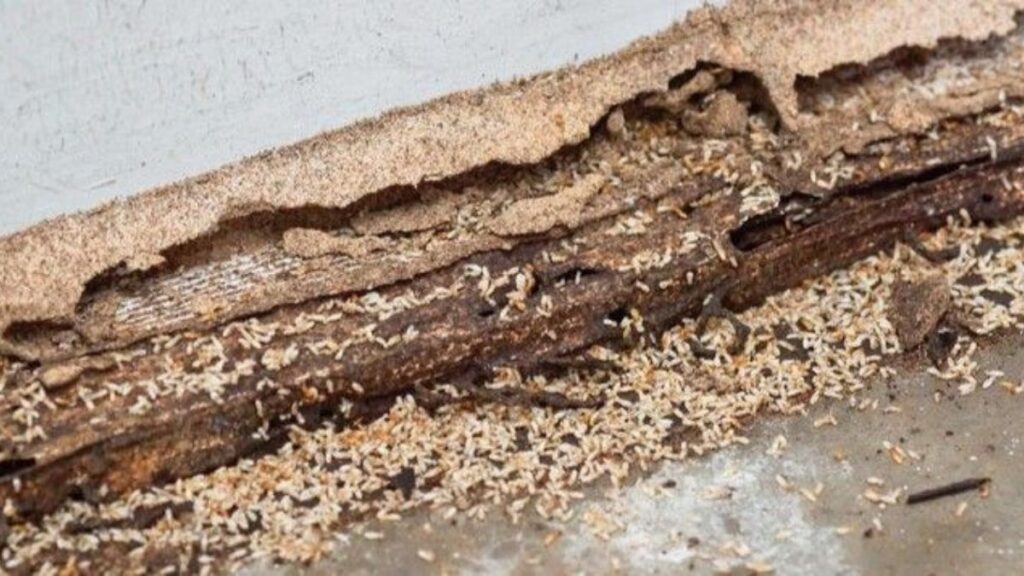
Termites are one of the most destructive pests affecting Australian homes. When signs of termite activity appear, many homeowners attempt to manage the problem using home remedies or off-the-shelf products. Vinegar sprays, boric acid, essential oils, and store-bought termite killers often seem like quick and affordable solutions. Unfortunately, termite damage frequently continues even after these treatments are applied.
The main issue with DIY remedies is that they only address what is visible. Termites operate almost entirely out of sight, building complex tunnel systems inside walls, beneath floors, and underground. Without proper identification, an understanding of colony behaviour, and professional equipment, most DIY efforts fail to reach the source of the infestation. As a result, termite treatment becomes delayed, allowing colonies to survive and continue damaging the structure.
Termites reproduce quickly and adapt rapidly to disturbance. Any missed tunnel, nest, or entry point allows them to relocate and recover, increasing the scale and cost of property damage over time.
Why DIY Fixes Rarely Solve the Problem
DIY termite solutions appeal to homeowners because they appear simple and cost-effective. Sprays, powders, and homemade traps may reduce visible termite activity for a short time, creating the impression that the problem has been solved. In reality, these products rarely reach the core of the infestation.
Most termite colonies are located deep underground, inside structural timbers, or behind wall linings. The queen termite, which is responsible for laying thousands of eggs, remains well protected within the nest. Even if surface termites are killed, the colony can quickly replenish itself and resume feeding.
DIY products also lack the penetration power required to reach concealed nests. Termites often access homes through mud tunnels, foundation cracks, and hidden timber connections that homeowners cannot safely or effectively treat. While activity may appear reduced after DIY application, the remaining colony continues to cause damage out of sight.
Lack of Equipment and Expertise Leads to Missed Infestations
Termite behaviour is highly complex. They avoid light, regulate moisture levels, and construct extensive tunnel networks that can span large distances. Without specialised training, it is extremely difficult for homeowners to identify all active areas of infestation.
A trained pest exterminator uses professional tools such as moisture metres, thermal imaging devices, borescopes, and commercial-grade treatments to locate termite activity accurately. These tools allow specialists to detect infestations that would otherwise remain hidden.
Many homeowners underestimate how far termites can travel. Colonies may be located tens of metres away, with underground tunnels extending beneath driveways, gardens, and neighbouring properties. DIY remedies cannot trace or eliminate these connections, which is why infestations often return after temporary relief.
Delayed or Incomplete Treatments Increase Property Damage
Termites are highly adaptive pests. When exposed to mild chemicals or incomplete treatments, they often relocate rather than die. This movement allows them to spread further into walls, floors, and roof timbers, increasing the extent of damage.
Partial treatments can also cause colonies to split, forming satellite nests that continue feeding in multiple areas of the property. Each delay in applying proper termite treatment gives termites more time to compromise structural integrity, leading to higher repair costs.
Professionals understand termite movement patterns and plan treatments accordingly. Strategies such as baiting systems, chemical barriers, dusting powders, and soil injections are designed to eliminate the entire colony rather than push it deeper into the structure.
Why Professional Termite Treatment Is Effective
Professional termite specialists follow a structured and evidence-based process that DIY remedies cannot replicate. This approach begins with a detailed inspection to identify termite species, entry points, moisture sources, and colony behaviour.
Targeted termite treatment methods are then applied using specialised equipment, including drilling, soil injection, foaming systems, bait stations, and dust applications. These methods are designed to reach concealed nests and eliminate the queen, ensuring the colony cannot recover.
Long-term protection is achieved through the installation of barriers and scheduled follow-up inspections. This ensures that any new activity is detected early and addressed before damage escalates.
In many cases, collaboration between a pest exterminator and a building inspector provides additional protection. While pest professionals eliminate the infestation, inspections identify hidden structural damage and areas vulnerable to future attacks.
The Role of Pest Control Services After Termite Activity
Termite damage is not always visible on the surface. A qualifiedpest control service assesses affected areas, identifies active colonies, and checks surrounding structures such as subfloors, wall voids, and roof timbers to determine the extent of infestation and risk.
These professional inspections help distinguish between minor surface activity and serious, ongoing termite damage, guiding the right treatment plan and any follow-up monitoring. For homeowners, buyers, and landlords, engaging a trusted pest control service is essential to prevent further deterioration and protect the property’s long-term safety and value.
Wrap-Up
DIY termite remedies may appear cheaper at first, but they rarely provide lasting protection. Surface-level treatments fail to eliminate hidden colonies, allowing termites to continue destroying property unnoticed.
Professional termite treatment, delivered by an experienced pest exterminator, offers thorough eradication and long-term prevention. When combined with a detailed assessment from a building inspector, this approach protects both the structure and value of the property.
Choosing professional intervention early reduces repair costs, prevents reinfestation, and provides peace of mind that DIY solutions simply cannot offer.
FAQs
Why do DIY termite remedies fail to stop infestations?
DIY products only treat visible areas. They cannot reach underground nests or hidden timber tunnels, allowing colonies to survive and continue damaging the property.
What are signs that DIY termite treatment has failed?
Persistent mud tubes, hollow-sounding timber, bubbling paint, sagging floors, or ongoing termite activity indicate the infestation is still active.
When should a pest exterminator be contacted?
If live termites are present, damage continues, or activity returns after DIY attempts, a pest exterminator should be contacted immediately.
What does a building inspection involve after termite damage?
A building inspector examines structural elements, including frames, subfloors, roof timbers, and internal supports, to identify hidden or progressive damage.
How does professional termite treatment prevent reinfestation?
Professionals apply targeted treatments, install protective barriers, and conduct follow-up inspections to ensure colonies are eliminated and new entry points are blocked.