
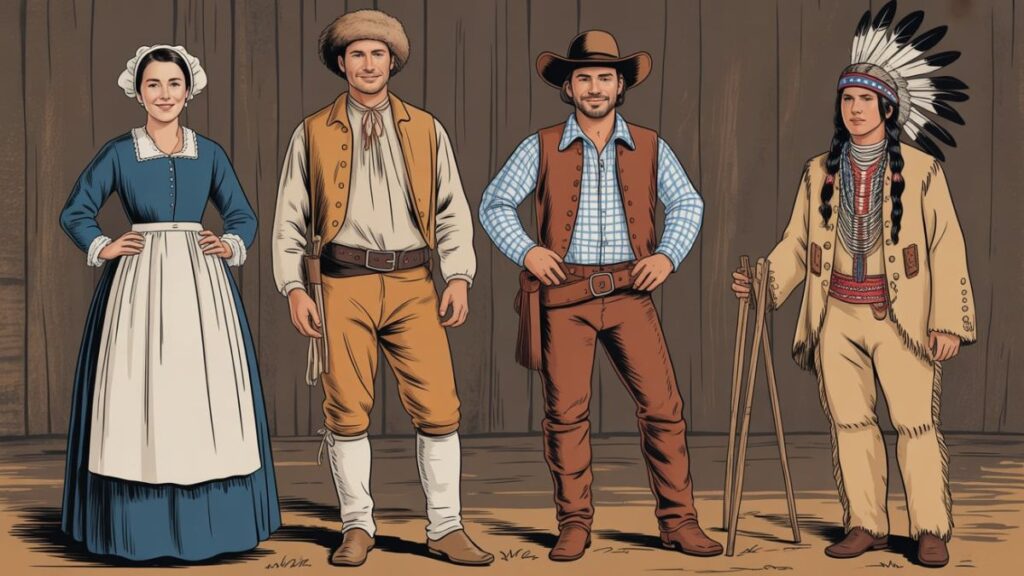
Clothing has always been more than fabric in the United States. It tells stories of migration, survival, celebration, and identity. From early settlers to Native communities and from frontier life to modern heritage events, what people wore reflected who they were and what they believed. Traditional US clothing is not a single outfit or style but a rich collection of regional and cultural expressions shaped over centuries. Understanding these garments helps us better understand American history itself, because fashion evolved alongside social change, climate, and cultural blending. This article explores how these styles developed, what they symbolized, and why they still matter today.
Historical Roots of Traditional American Dress
The origins of traditional US clothing can be traced back to the earliest inhabitants of the land and the waves of settlers who followed. Native American tribes created garments suited to their environment, using animal hides, plant fibers, and intricate beadwork that carried spiritual and social meaning. When European settlers arrived, they brought clothing traditions from England, Spain, France, and the Netherlands, adapting them to the New World’s climate and resources. Over time, these influences blended, creating unique styles that reflected practicality and identity. Colonial clothing emphasized durability and modesty, while frontier wear focused on protection and mobility. Each era added new layers to American dress traditions, forming a foundation that still influences fashion today.
Regional Variations Across the United States
Because the United States is geographically vast, clothing traditions developed differently in each region. In the Northeast, early styles leaned toward European-inspired garments made from wool and linen, designed to withstand colder climates. The Southern states favored lighter fabrics like cotton and incorporated decorative details influenced by African and Caribbean cultures. In the West, frontier life shaped rugged attire such as denim trousers, boots, and wide-brimmed hats, which later became iconic symbols of American identity. Traditional US clothing therefore reflects not one uniform look but a tapestry of regional styles, each shaped by local climate, economy, and cultural heritage. This diversity is one of the strongest aspects of American traditional fashion.
Indigenous Influence and Cultural Significance
Native American clothing remains one of the most important foundations of traditional US clothing. These garments were not only functional but deeply symbolic, often representing tribal identity, status, or spiritual beliefs. Materials like deerskin, feathers, and shells were carefully chosen, while patterns and colors told stories passed down through generations. Even today, traditional regalia worn during ceremonies and powwows preserves these ancient traditions. Indigenous influence can also be seen in modern American fashion through motifs, fringe designs, and handcrafted accessories. Respecting and understanding these origins is essential, as they represent living cultures rather than historical costumes.
Evolution Through the 19th and 20th Centuries
As the United States industrialized, clothing production shifted from handmade garments to factory-made apparel. This transition changed how people dressed while still preserving elements of traditional US clothing. The 19th century introduced practical everyday wear like overalls, prairie dresses, and military-inspired uniforms. In the early 20th century, traditional styles began to merge with modern fashion, creating a balance between heritage and innovation. Folk costumes, cowboy attire, and workwear became symbols of national pride, especially during periods of social change. These styles were no longer limited to daily use but became markers of tradition worn during celebrations, reenactments, and cultural events.
Traditional Clothing in Modern American Culture
Today, traditional US clothing continues to hold cultural value, even though it is not worn daily by most people. It appears in historical festivals, national holidays, and cultural ceremonies, reminding Americans of their shared past. Designers often draw inspiration from traditional garments, reimagining classic silhouettes and materials in contemporary collections. Western wear, Native-inspired jewelry, and heritage denim remain popular across the country. This ongoing presence shows that traditional clothing is not outdated but evolving, adapting to modern tastes while preserving its roots. It serves as a bridge between history and present-day identity.
Why Traditional Styles Still Matter Today
In a fast-paced world driven by trends, traditional US clothing offers a sense of continuity and authenticity. It connects people to their ancestors and provides a deeper appreciation for craftsmanship and cultural meaning. These garments remind us that fashion can be purposeful, telling stories rather than simply following trends. As sustainability and ethical fashion gain importance, many people are revisiting traditional designs that emphasize durability and timeless appeal. By valuing these styles, Americans can preserve cultural heritage while encouraging thoughtful fashion choices for the future.
Conclusion
Traditional US clothing is a reflection of the nation’s complex history, shaped by Indigenous cultures, immigrant influences, regional needs, and social change. It represents resilience, creativity, and identity woven into fabric over generations. While modern fashion continues to evolve, these traditional styles remain relevant because they carry meaning beyond appearance. By understanding and appreciating them, we gain insight into American culture and values. Preserving these traditions ensures that future generations can continue to learn from and celebrate the diverse roots of the United States.
FAQs
What is meant by traditional US clothing?
It refers to historically rooted garments from different American cultures and regions that reflect heritage, climate, and social traditions.
Do Americans still wear traditional clothing today?
Yes, mainly during cultural events, festivals, ceremonies, and historical reenactments rather than daily life.
Is there one national traditional outfit in the US?
No, the United States has diverse regional and cultural clothing traditions instead of a single national costume.
How has traditional clothing influenced modern fashion?
Many designers incorporate classic materials, silhouettes, and cultural motifs into contemporary American fashion.
Why is traditional clothing important to preserve?
It helps maintain cultural identity, honors history, and promotes appreciation for craftsmanship and heritage.