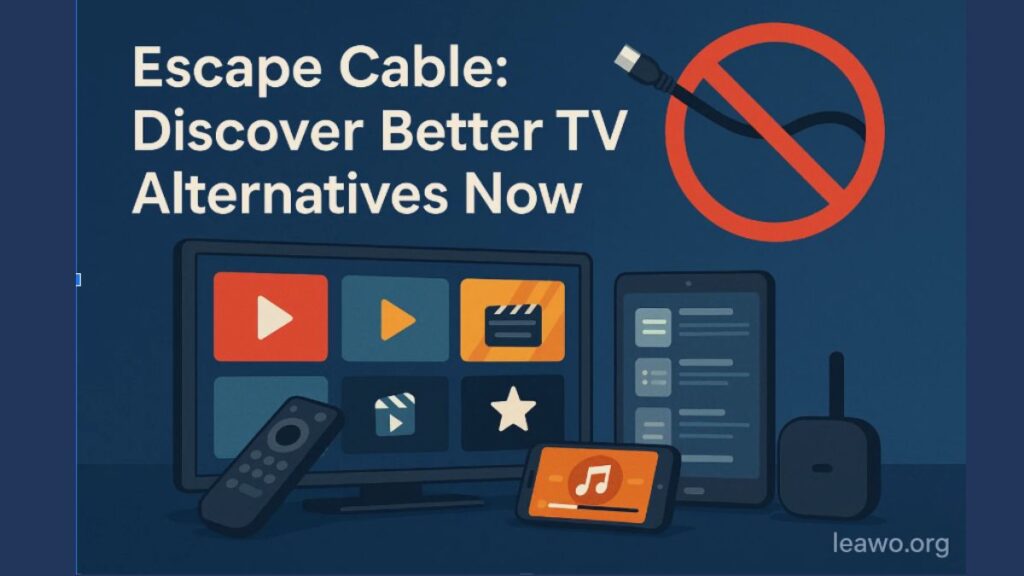
For decades, cable TV dominated the living room, offering endless channels and scheduled programming. Yet, in recent years, viewers have begun questioning the value of traditional cable subscriptions. High costs, inflexible plans, and the rise of digital streaming have shifted consumer habits. Today, millions are seeking cable alternatives, exploring more flexible, affordable, and personalized ways to enjoy television content. This guide will walk you through alternatives to cable TV, from live streaming to free platforms, and provide tips to make the transition smooth and cost-effective.
Why People Are Leaving Cable: Key Reasons Behind Cord Cutting
Several factors contribute to the growing trend of cord-cutting:
- Rising Costs: Cable packages often include dozens of channels viewers never watch, resulting in unnecessarily high monthly bills.
- Lack of Flexibility: Traditional cable locks customers into contracts with limited control over channel selection.
- Convenience of Streaming: On-demand access and mobile viewing make streaming services more appealing than scheduled programming.
- Content Variety: Streaming platforms provide a wider selection of international shows, exclusive series, and niche programming.
As a result, consumers are turning to cable TV alternatives that fit their lifestyle and budget while offering more viewing freedom.
The Main Categories of Cable Alternatives
Cord-cutting doesn’t mean sacrificing entertainment. Today’s best cable alternatives fall into four main categories:
1. Live TV Streaming Services
Live TV streaming services mimic the traditional cable experience but without the high cost and contract restrictions. Popular options include:
- Hulu + Live TV: Offers a combination of live channels and on-demand content. Hulu’s flexible plans cater to both sports fans and casual viewers.
- YouTube TV: Features a broad channel lineup, unlimited DVR storage, and easy multi-device access.
- Sling TV: Known for affordability and customizable packages, Sling TV allows viewers to pay for only the channels they want.
- DirecTV Stream: Offers a traditional cable-like experience with packages that include local and premium channels.
These services provide the convenience of cable without the long-term commitment, making them some of the most popular cable alternatives today.
2. On-Demand Streaming Platforms
On-demand streaming platforms have revolutionized entertainment by offering instant access to movies, series, and documentaries. Examples include:
- Netflix: A pioneer in on-demand content with a massive library of original and licensed shows. You can even watch Netflix on Mac for flexible viewing.
- Amazon Prime Video: Offers both on-demand titles and occasional live content. Membership also includes perks like free shipping.
- Disney+: Ideal for family-friendly content, with access to Marvel, Star Wars, Pixar, and National Geographic.
- Max: Provides a combination of HBO classics, Warner Bros. films, and original series.
- Apple TV+: Focuses on exclusive originals with high production value.
On-demand platforms are especially useful for viewers who prioritize flexibility, binge-watching, or accessing international content.
3. Free Streaming Options
For budget-conscious viewers, free streaming services are a viable alternative to cable TV. Some popular options include:
- Freevee: Offers movies and TV shows at no cost, supported by ads.
- Roku Channel: Provides free films, series, and live news channels.
- Tubi: Features a large library of movies, TV shows, and cartoons without a subscription.
While these services include occasional ads, they remain some of the most accessible cable alternatives, making premium content available without monthly bills.
4. Over-the-Air (OTA) Antennas for Local Channels
OTA antennas allow viewers to access local broadcast networks, including ABC, CBS, NBC, and FOX, completely free. Modern digital antennas provide high-definition channels and are an excellent best cable alternative for those who want live news, sports, and network shows without paying for cable.
3. Cord-Cutting Tips for Beginners
Transitioning away from cable can feel overwhelming, but the following tips make the process easier and more cost-effective.
1. Start With Free Trials Before Committing
Most streaming services offer free trials ranging from 7 to 30 days. This allows you to explore their content libraries and features before subscribing.
2. Avoid Subscribing to Too Many Services
It’s tempting to sign up for every platform, but costs can quickly add up. Identify the services that match your viewing habits.
3. Make Use of Annual Discounts
Some platforms provide discounted annual plans. Subscribing yearly instead of monthly can lead to substantial savings over time.
4. Think About Offline Access
If you travel frequently or have intermittent internet, offline access is crucial. Many platforms provide features for offline streaming. Additionally, Tools like CleverGet can help you download videos from Hulu, Netflix, YouTube, Tubi, and more websites for offline viewing, ensuring uninterrupted entertainment.
5. Consider Family Profiles and Parental Controls
Family profiles help manage content preferences for children and adults separately. Many streaming platforms offer robust parental controls, allowing safe and age-appropriate viewing.
Conclusion
The era of mandatory cable subscriptions is over. With a wide range of Escape Cable alternatives, viewers can enjoy flexibility, cost savings, and access to a global library of content. From live TV streaming services to on-demand platforms, free options, and OTA antennas, there’s a solution for every preference and budget. By exploring trials, leveraging offline tools like CleverGet, and strategically selecting services, anyone can build a customized entertainment setup tailored to their lifestyle.
Cord-cutting is no longer just a trend—it’s a practical and modern way to experience television. With the right mix of options, viewers can enjoy the best cable alternatives while gaining control over how, when, and what they watch.
FAQs
Q1: Are cable alternatives cheaper than traditional cable?
Yes, most streaming services are significantly less expensive and often allow you to pay only for what you watch.
Q2: Can I watch live sports without cable?
Yes, live TV streaming services like Hulu + Live TV, Sling TV, and YouTube TV offer sports packages and live channels.
Q3: Do I need high-speed internet for streaming?
For HD streaming, a minimum of 5 Mbps is recommended, while 25 Mbps or higher ensures smooth 4K playback.
Q4: Can I combine multiple streaming services?
Yes, many viewers mix free platforms, on-demand subscriptions, and OTA antennas to create a personalized TV lineup.