
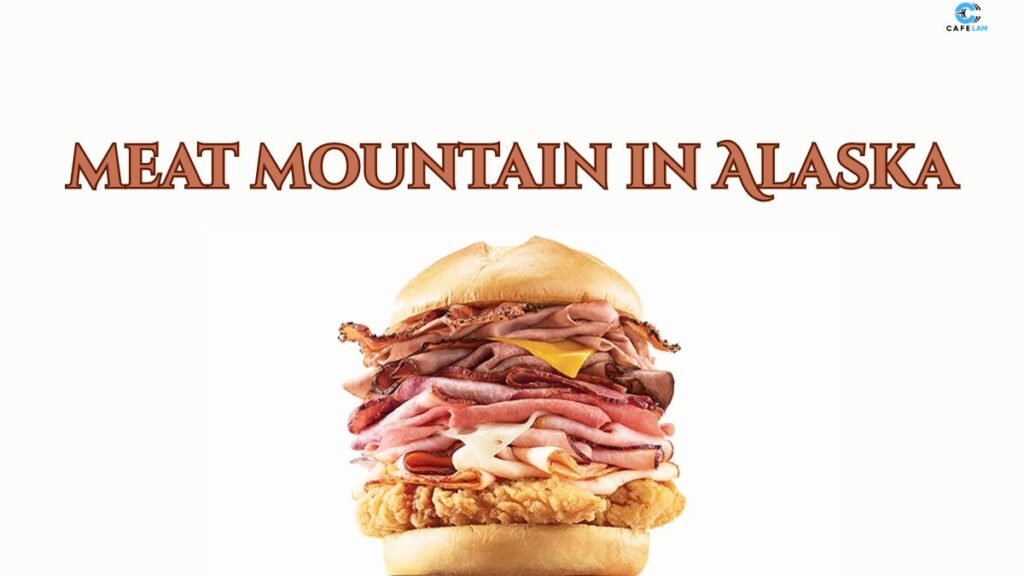
When people first hear the phrase meat mountain in Alaska, it often sparks curiosity, confusion, and sometimes even hunger. Is it a real place? Is it connected to the famous fast-food sandwich? Or is it just an internet myth that grew larger than life? The truth is far more interesting than most expect. This article explores the real geographic identity, cultural significance, and modern curiosity surrounding this uniquely named Alaskan landmark.
From icy landscapes to linguistic origins, and from online myths to real-world geography, this guide offers a complete, trustworthy, and engaging look into everything you need to know. Whether you are a traveler, researcher, or simply curious, this in-depth guide will help you understand why this name continues to spark interest across the internet.
Understanding the Origins of the Name
The name “Meat Mountain” did not come from food culture or modern branding. Its origin lies in translation. The mountain’s original name comes from the Inupiaq language, where the word “Niqipiaq” or “Nikipak” loosely translates to “meat” or “place of meat.” This naming reflects the practical way Indigenous Alaskan communities labeled landmarks based on survival value rather than symbolism.
For generations, the surrounding area provided wildlife resources essential for hunting and seasonal travel. Naming a place after food was not humorous or symbolic; it was functional. It helped people remember where to go during certain times of the year.
Geographic Location and Natural Setting
Where the Mountain Is Actually Located
Meat Mountain in Alaska is situated in the North Slope Borough, a remote and sparsely populated region in the northern part of the state. The area is far from major cities and remains largely untouched by modern infrastructure. The mountain sits near the headwaters of the Colville River and lies within Arctic terrain shaped by permafrost, tundra, and extreme seasonal changes.
The elevation is modest compared to Alaska’s towering peaks, but its isolation and environmental conditions make it just as significant in geographical studies.
Climate and Environmental Conditions
This region experiences long, harsh winters and short summers. Temperatures can drop far below freezing, and daylight varies dramatically depending on the season. These conditions shape not only the land but also the wildlife and vegetation that survive there.
Despite its ruggedness, the surrounding ecosystem supports caribou, arctic foxes, migratory birds, and other wildlife that historically made the region valuable for subsistence living.
Cultural Importance and Local Relevance
A Landmark With Practical Meaning
Unlike tourist-heavy mountains such as Denali, this location holds meaning primarily through function rather than fame. Indigenous communities used landmarks like this for navigation, seasonal planning, and survival strategy. The name reflects usefulness rather than mythology.
Over time, maps translated Indigenous names into English, and the literal translation became the official recorded name. This is how many geographical features across Alaska received names that may sound unusual today.
Why It Remains Relatively Unknown
The remoteness of the area means few travelers ever encounter it firsthand. There are no marked trails, visitor centers, or scenic overlooks. This isolation has preserved the landscape but also kept it out of mainstream tourism discussions.
The Internet Effect and Pop Culture Confusion
How the Name Went Viral
In recent years, the phrase gained renewed attention due to internet searches and viral curiosity. Many people first encounter the term through food-related content, especially when searching for the famously overloaded sandwich from a fast-food chain.
This overlap created a humorous contrast between a wild Alaskan mountain and a processed food item, leading to increased online curiosity.
Why People Mix Up the Two
Search engines often show both results side by side, and social media has amplified the confusion. While one is a natural landform shaped by time and climate, the other is a novelty menu item built for shock value. The shared name is purely coincidental.
Top Turkey Cooking Methods for a Juicy and Flavorful Feast check out this related post now!
The Landscape and Environmental Significance
Geological Characteristics
The terrain around the mountain includes sedimentary rock formations, frozen ground layers, and seasonal waterways. Permafrost plays a major role in shaping the environment, influencing erosion and vegetation growth.
Because of climate change, scientists are increasingly interested in regions like this to study permafrost thaw and environmental shifts in the Arctic.
Wildlife and Ecosystem Balance
Despite the harsh climate, the area supports a fragile but resilient ecosystem. Caribou herds pass through during migration seasons, while birds use the region for nesting during the brief summer months.
The land remains largely undisturbed by human development, making it valuable for ecological research and conservation observation.
Why the Name Still Matters Today
A Lesson in Linguistic History
Names like this remind us how language evolves when cultures intersect. What once had a purely functional meaning can take on new interpretations as it passes through different linguistic and cultural filters.
Understanding this helps preserve respect for Indigenous naming traditions while also appreciating how language adapts over time.
Symbol of Untouched Wilderness
In a world increasingly shaped by urban development, places like this represent untouched nature. Even without fame or tourism infrastructure, such locations hold intrinsic value simply by existing in their natural state.
Comparing the Mountain and the Modern Reference
One represents survival, land, and history. The other represents indulgence, marketing, and pop culture. Though they share a name, they could not be more different in purpose or origin.
This contrast is exactly why the phrase continues to attract attention online. It creates a mental image that invites curiosity and exploration.
Why This Place Still Matters Today
Even in a digital age where attention spans are short and trends change quickly, places like this remind us of the deeper connections between land, language, and survival. The story behind the name reflects how humans once understood geography not as a destination, but as a lifeline.
The growing interest in this location shows how modern curiosity often leads people back to ancient knowledge. It also highlights the importance of respecting Indigenous heritage and understanding the meaning behind names that may seem unusual at first glance.
Conclusion: More Than Just a Name
The story of meat mountain in alaska is not about food, trends, or internet jokes. It is about geography, culture, survival, and the way language carries history forward. From its Indigenous roots to its modern online curiosity, the name continues to spark imagination and discussion.
By understanding the true background of this remote landmark, we gain more than trivia. We gain insight into how humans interact with their environment and how meaning evolves over time. In a world filled with noise, this quiet mountain stands as a reminder that not everything significant needs to be famous to matter.
Unlock more ideas and expert tips—explore more content crafted just for you.
Frequently Asked Questions
What is Meat Mountain in Alaska known for?
It is known for its unique name, remote location, and connection to Indigenous language rather than tourism or recreation.
Is Meat Mountain in Alaska a tourist destination?
No, it is not developed for tourism and remains largely inaccessible to casual travelers.
Why does the name sound unusual?
The name is a direct translation from an Indigenous term referring to food resources in the area.
Is the mountain connected to the famous sandwich?
No, the similarity in name is coincidental and not historically related.
Can people visit the area freely?
Access is limited due to remoteness, weather conditions, and lack of infrastructure.