When facing serious illnesses like cancer, supportive treatments can make a huge difference in recovery and quality of life. One such important medication is Nivestym, which plays a key role in strengthening the immune system. It is commonly prescribed to help patients manage low white blood cell counts caused by chemotherapy or other medical conditions. This blog will walk you through everything you need to know about Nivestym in a simple, clear, and practical way.
What Is Nivestym and How Does It Work?
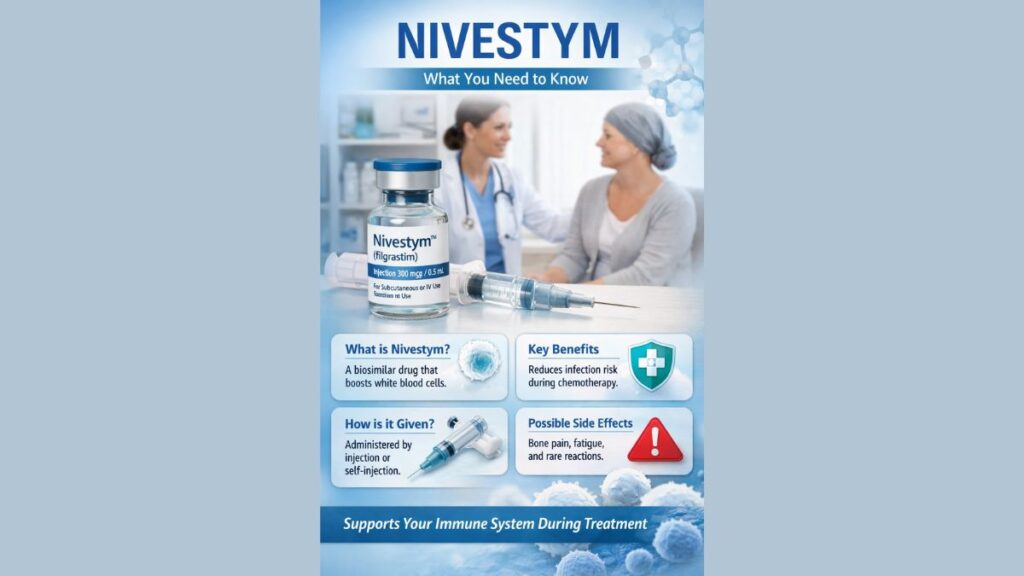
Nivestym is a biosimilar form of Filgrastim, a medication designed to stimulate the production of white blood cells in the body. These cells are essential for fighting infections, especially when the immune system is weakened due to treatments like chemotherapy. By boosting neutrophils, which are a type of white blood cell, Nivestym helps reduce the risk of serious infections. It works by mimicking natural proteins in the body that signal bone marrow to produce more immune cells. This makes it a critical part of supportive care in modern medicine.
Medical Uses of Nivestym
Nivestym is widely used in patients undergoing chemotherapy who experience a drop in white blood cell count, known as neutropenia. It is also prescribed for individuals with certain bone marrow disorders or those undergoing stem cell transplants. In some cases, it helps patients recover faster after intensive treatments. Doctors may also use it to prepare healthy donors for stem cell collection. Its ability to strengthen immune defenses makes it a versatile and valuable treatment option. Overall, it plays a key role in preventing infections and improving patient outcomes.
Benefits of Using Nivestym
One of the main benefits of Nivestym is its ability to reduce infection risk in vulnerable patients. By increasing white blood cell levels, it allows the body to better defend itself against bacteria and viruses. It also helps patients stay on track with their chemotherapy schedules, avoiding delays caused by low immunity. Another advantage is its biosimilar nature, which often makes it more cost-effective compared to original biologic drugs. Patients also benefit from faster recovery times and improved overall well-being. These advantages make it a trusted option in many treatment plans.
Possible Side Effects and Safety Concerns
Like any medication, Nivestym may cause side effects, although not everyone experiences them. Common effects include bone pain, fatigue, and mild fever, which are usually manageable. Some patients may experience injection site reactions or headaches. In rare cases, more serious issues like spleen enlargement or allergic reactions can occur. It is important to follow your doctor’s guidance and report any unusual symptoms immediately. Regular monitoring ensures that the treatment remains safe and effective throughout its use.
How Nivestym Is Administered
Nivestym is typically given as an injection under the skin or into a vein, depending on the patient’s condition. Healthcare providers usually administer the first doses, but some patients may learn to self-inject at home. The dosage and duration depend on factors like body weight, medical condition, and treatment response. It is important to follow the prescribed schedule carefully to achieve the best results. Proper storage and handling are also essential to maintain the medication’s effectiveness. Patients should always consult their healthcare provider before making any changes.
Who Should Use Nivestym?
Nivestym is primarily recommended for cancer patients receiving chemotherapy, but it is also suitable for other conditions affecting white blood cells. Individuals with chronic neutropenia or those undergoing bone marrow transplants may benefit from it. However, it is not suitable for everyone, especially those with known allergies to similar medications. Doctors carefully evaluate each patient’s medical history before prescribing it. This ensures that the treatment is both safe and appropriate for the individual’s needs.
Nivestym vs Other Similar Treatments
There are several medications similar to Nivestym, but its biosimilar status makes it a popular choice. Compared to original biologics, it offers similar effectiveness at a potentially lower cost. Other alternatives may vary in dosing schedules, side effects, and availability. Doctors choose the most suitable option based on the patient’s condition and response to treatment. Nivestym stands out for its reliability and proven performance in clinical settings. It continues to be a preferred option in many healthcare systems.
Storage and Handling Guidelines
Proper storage of Nivestym is crucial to maintain its effectiveness. It should be kept in a refrigerator and protected from direct light. Patients should avoid freezing the medication, as this can damage its structure. Before use, it is important to check for any discoloration or particles. If anything unusual is noticed, the medication should not be used. Following these guidelines ensures that the treatment remains safe and effective throughout its use.
Important Precautions Before Use
Before starting Nivestym, patients should inform their doctor about any existing medical conditions or medications they are taking. This includes allergies, kidney issues, or previous reactions to similar drugs. Pregnant or breastfeeding women should discuss potential risks with their healthcare provider. Regular blood tests are often required to monitor progress and adjust dosage if needed. Taking these precautions helps minimize risks and ensures better treatment outcomes. Communication with healthcare professionals is key to safe use.
Conclusion
Nivestym is a powerful and essential medication that supports the immune system during some of the most challenging medical treatments. Its ability to boost white blood cell production makes it invaluable for patients undergoing chemotherapy or dealing with serious immune deficiencies. With proper use and medical supervision, it can significantly improve recovery and reduce infection risks. Understanding how it works, its benefits, and precautions allows patients to feel more confident and informed. As a trusted biosimilar, Nivestym continues to play a vital role in modern healthcare.
FAQs
What is Nivestym used for?
Nivestym is used to increase white blood cell counts and reduce infection risk, especially in cancer patients undergoing chemotherapy.
How quickly does Nivestym work?
It usually starts increasing white blood cells within a few days, depending on the patient’s condition and dosage.
Is Nivestym safe for long-term use?
It can be safe under medical supervision, but long-term use requires regular monitoring by a healthcare provider.
Can I take Nivestym at home?
Yes, some patients are trained to self-inject at home, but only after proper guidance from a healthcare professional.
What should I avoid while using Nivestym?
Avoid missing doses, improper storage, and taking other medications without consulting your doctor.