
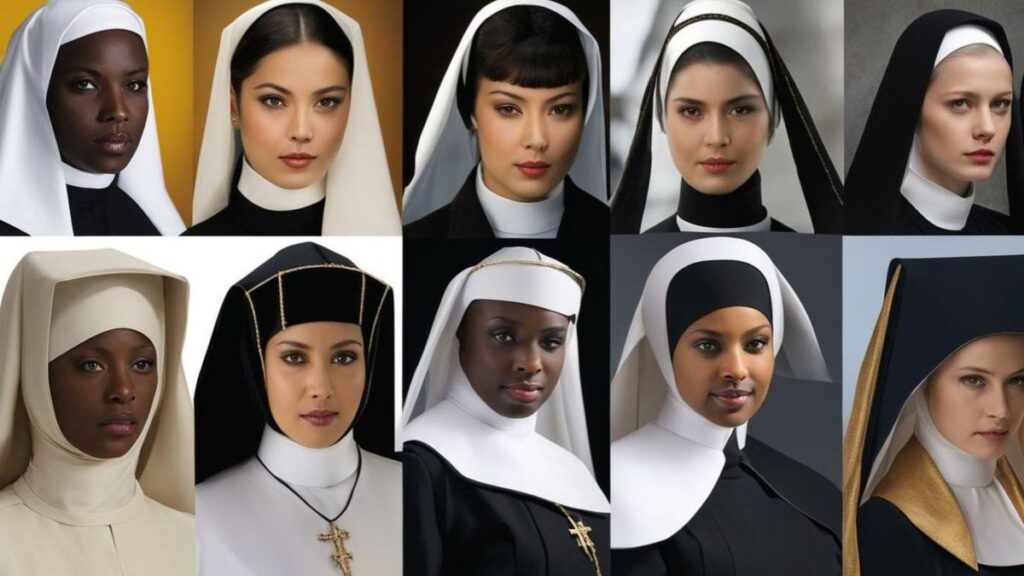
Few religious symbols are as instantly recognizable as the clothing worn by Catholic nuns. For centuries, the habit has sparked curiosity, respect, and sometimes misunderstanding. Many people ask why this traditional dress has remained relevant in a rapidly changing world, especially when modern clothing is so widely accepted. The question why do nuns wear habits goes far beyond fabric and color. It touches faith, identity, humility, and a way of life rooted in deep spiritual commitment. Understanding this tradition helps us see religious life not as something distant, but as a meaningful choice shaped by history, belief, and purpose.
The Historical Roots of the Nun’s Habit
The origins of the nun’s habit can be traced back to the early centuries of Christianity, when religious women adopted simple clothing similar to what ordinary people wore. At that time, garments were modest, practical, and designed for daily work rather than fashion. Over time, as religious communities became more organized, these simple outfits evolved into distinct forms of dress. The habit began to reflect stability, discipline, and a shared way of life within each religious order.
As monasteries spread across Europe, habits also became a way to distinguish religious women from the secular world. The clothing signaled a clear separation from material concerns and social status. While styles changed slightly across regions and centuries, the core idea remained the same. The habit was never meant to draw attention, but rather to remove distractions and help nuns focus fully on prayer, service, and community life.
Spiritual Symbolism and Religious Meaning
Beyond history, the habit carries deep spiritual symbolism that remains important today. Each part of the garment often represents a spiritual value, such as purity, obedience, and devotion to God. The simplicity of the habit reflects a life chosen in humility, where personal appearance takes a back seat to inner faith. This symbolism helps explain why do nuns wear habits even in modern times.
Wearing the habit daily becomes a physical reminder of spiritual vows. It reinforces a sense of purpose and commitment, especially during moments of challenge or doubt. For many nuns, the habit is not restrictive but freeing. By removing concerns about fashion or self-image, they are able to dedicate more mental and emotional energy to prayer, teaching, healthcare, and social service. In this way, clothing becomes a tool for spiritual focus rather than personal expression.
Identity, Community, and Belonging
Another key reason for the habit lies in identity and community. Religious life is not lived alone; it is shared with others who follow the same rule and mission. The habit creates a visible bond among members of the same order, strengthening unity and mutual responsibility. It also helps nuns feel connected to generations of women who lived the same calling before them.
From the outside, the habit makes religious women easily recognizable, especially in public spaces. This visibility often invites questions, conversations, and sometimes requests for prayer or help. While this can be challenging, many nuns see it as part of their mission. The habit quietly communicates values such as service, compassion, and faith without the need for words. This sense of shared identity is central to understanding why do nuns wear habits as a living tradition rather than an outdated custom.
Practical Reasons Behind Traditional Dress
Although the habit is rich in symbolism, it also serves practical purposes. Traditional habits are designed for comfort, durability, and modesty. Many were originally suited for long hours of work, whether in fields, classrooms, hospitals, or convent kitchens. Loose-fitting designs allowed freedom of movement, while sturdy fabrics lasted for years.
In addition, wearing a standard form of dress eliminates daily decisions about clothing, which supports a lifestyle focused on simplicity. This practical aspect aligns closely with religious vows of poverty and detachment from material excess. Even today, when some orders choose modern adaptations, the underlying principle remains the same. Practicality and purpose matter more than appearance, reinforcing why the habit continues to be meaningful in daily religious life.
Modern Adaptations and Contemporary Views
In recent decades, the appearance of the habit has changed in some religious communities. Following reforms within the Catholic Church, certain orders chose simpler or more modern clothing, while others retained traditional designs. This diversity often leads people to wonder why do nuns wear habits if not all nuns dress the same way.
The answer lies in choice and mission. Each religious order decides how its members should dress based on its values and the type of work it does. Some nuns believe wearing a traditional habit strengthens their spiritual identity and public witness. Others feel that blending into society helps them serve more effectively in modern settings. Both approaches are rooted in the same commitment to faith and service, showing that the habit is meaningful not because of uniformity, but because of intention.
Cultural Impact and Public Perception
The habit has also played a powerful role in shaping public perception of religious life. In art, literature, and film, the image of a nun in habit often symbolizes discipline, wisdom, or moral strength. While these portrayals are sometimes simplified, they reflect the lasting cultural influence of religious dress.
At the same time, misconceptions exist. Some people see the habit as a sign of restriction or outdated tradition. In reality, many nuns describe their clothing as a source of pride and spiritual clarity. It represents a freely chosen life dedicated to service, not a forced identity. Recognizing this deeper meaning helps shift the conversation from appearance to purpose, offering a more respectful and accurate understanding of religious women today.
Conclusion
The habit is far more than a piece of clothing. It is a symbol shaped by history, faith, community, and daily practice. From its humble beginnings to its modern expressions, the habit continues to reflect values of simplicity, devotion, and service. Asking why do nuns wear habits opens the door to understanding religious life as a meaningful commitment rather than a rigid tradition. In a world driven by trends and constant change, the habit stands as a quiet reminder of enduring purpose, inner freedom, and a life dedicated to something greater than oneself.
FAQS
What is a nun’s habit?
A nun’s habit is traditional religious clothing worn as a symbol of faith, humility, and commitment to religious life.
Do all nuns wear habits today?
No, some religious orders wear traditional habits, while others choose simple modern clothing based on their mission.
Is wearing a habit required in religious life?
It depends on the order. Each community sets its own guidelines regarding dress and appearance.
Does the habit have religious symbolism?
Yes, the habit often represents values such as simplicity, devotion, and separation from material concerns.
Can nuns choose not to wear a habit?
In some orders, nuns may choose alternative dress styles approved by their community, especially in modern settings.