
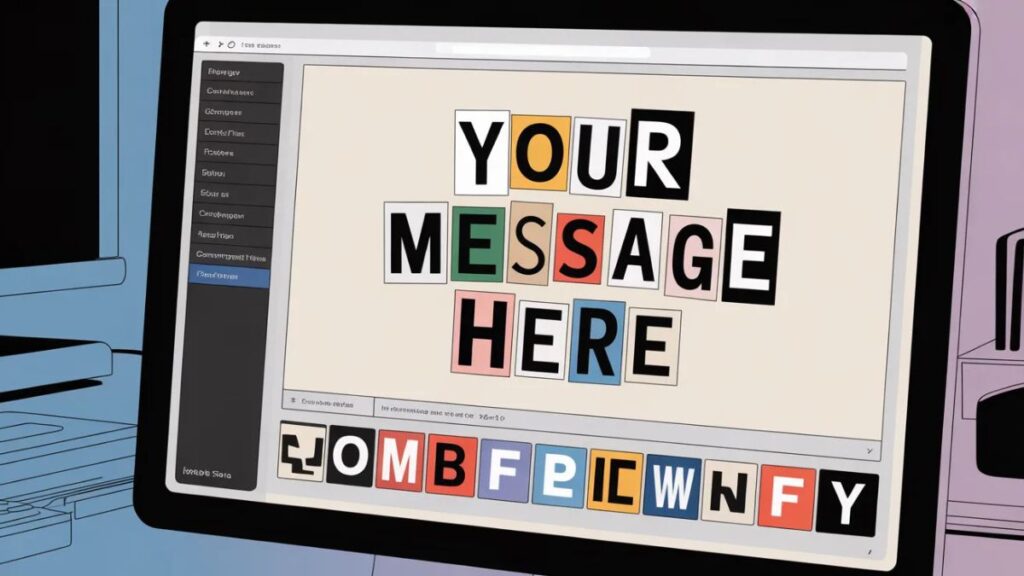
The term “ransom generator” might sound technical, but it plays a serious role in today’s cybercrime landscape. As ransomware attacks continue to target businesses, hospitals, and individuals, tools that automate ransom note creation have become more common. Understanding how these tools work is essential for anyone concerned about cybersecurity. In this article, we’ll explore what a ransom generator is, how it functions, and why awareness is key to digital safety.
What Is a Ransom Generator?
A ransom generator is a tool used to automatically create ransom notes in ransomware attacks. Instead of manually writing threatening messages, cybercriminals use these generators to produce professional-looking ransom demands within seconds. These notes typically inform victims that their files have been encrypted and provide instructions for payment, often in cryptocurrency.
Such tools are often included in ransomware kits sold on underground forums. They allow attackers with limited technical skills to launch large-scale cyber extortion campaigns. By automating the messaging process, criminals save time and make their attacks appear more organized and intimidating. This increases the psychological pressure on victims.
How a Ransom Generator Works
A ransom generator usually functions as part of a broader ransomware toolkit. Once malware encrypts the victim’s files, the generator creates a customized ransom message. It may insert the victim’s name, a unique ID, payment deadlines, and cryptocurrency wallet details. This personalization makes the message feel targeted and urgent.
Some advanced versions even support multiple languages to expand the attack’s reach globally. The generator formats the note for desktop display, text files, or even pop-up windows. This automated system ensures consistency across thousands of infected devices, making the cyberattack more scalable and efficient.
Why Cybercriminals Use Ransom Generators
Cybercriminals rely on ransom generators because they streamline the attack process. Writing individual ransom notes would slow down operations and reduce profitability. Automation allows attackers to focus on spreading malware while the system handles communication with victims.
These tools also improve the perceived credibility of the threat. A professionally structured ransom note, complete with deadlines and detailed instructions, increases the likelihood of payment. In the world of cyber extortion, efficiency and psychological manipulation are key factors, and ransom generators help achieve both.
The Connection Between Ransom Generators and Ransomware Attacks
Ransom generators are closely linked to ransomware campaigns. Modern ransomware strains operate like businesses, offering Ransomware-as-a-Service models. In these setups, affiliates receive ready-made tools, including encryption software and ransom note generators, to carry out attacks.
This structured approach has contributed to the rise in data breaches and digital blackmail cases worldwide. When an organization falls victim to ransomware, the ransom note it receives is often produced by such automated systems. Understanding this connection helps security teams recognize patterns and strengthen incident response strategies.
How to Protect Yourself from Ransomware Threats
While individuals cannot directly stop ransom generators from existing, they can reduce their risk of becoming victims. Strong cybersecurity practices make it harder for ransomware to succeed. Regular data backups, updated antivirus software, and employee awareness training are crucial defenses.
Organizations should implement network monitoring, endpoint protection, and multi-factor authentication to minimize vulnerabilities. A proactive approach to cybersecurity reduces the effectiveness of ransomware campaigns and limits the impact of automated ransom demands. Prevention remains the most reliable strategy.
Legal and Ethical Implications
Using or distributing a ransom generator is illegal in most countries and considered a serious cybercrime offense. Authorities worldwide are working to track ransomware groups and shut down their infrastructure. Law enforcement agencies often collaborate internationally to dismantle these digital extortion networks.
From an ethical standpoint, ransom generators contribute to financial loss, data theft, and emotional distress. Businesses may face operational shutdowns, while individuals risk losing personal data. Raising awareness about these tools helps promote stronger cybersecurity policies and responsible digital behavior.
Conclusion
A ransom generator may seem like just another piece of software, but it plays a critical role in modern ransomware attacks. By automating ransom note creation, cybercriminals increase the speed, scale, and psychological impact of their operations. Understanding how these tools work is essential for recognizing the seriousness of digital extortion.
The best defense against ransomware threats is awareness combined with strong cybersecurity practices. As cybercrime continues to evolve, staying informed empowers individuals and organizations to protect their data and maintain digital resilience.
FAQs
What is a ransom generator?
A ransom generator is a tool that automatically creates ransom notes used in ransomware attacks to demand payment from victims.
Is using a ransom generator legal?
No, using or distributing a ransom generator for criminal activity is illegal and considered cybercrime in most countries.
How do ransom generators support ransomware attacks?
They automate the creation of ransom messages after files are encrypted, making attacks faster and more scalable.
Can a ransom generator infect my computer directly?
No, the generator itself does not infect systems; it works as part of a larger ransomware toolkit.
How can I protect myself from ransomware threats?
Keep software updated, use strong security tools, back up data regularly, and practice safe browsing habits.