
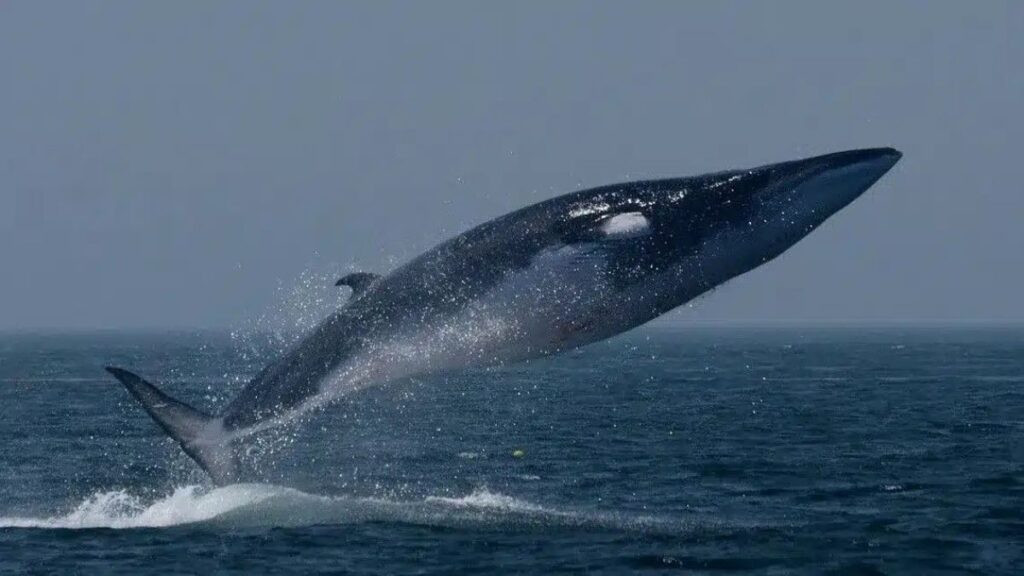
When people think about the largest animals to ever live, their minds usually jump straight to the blue whale. But few realize that another ocean giant comes remarkably close. The second biggest animal in the world is an awe-inspiring marine mammal that combines sheer size, speed, and elegance in a way no other creature can. This animal is not only massive but also deeply important to ocean ecosystems and human understanding of marine life. In this article, we’ll explore what makes this creature so special, where it lives, how it survives, and why protecting it matters more today than ever before.
Understanding the Fin Whale’s Place in Nature
The fin whale holds the title of the second biggest animal in the world, coming just after the blue whale in terms of overall size and weight. Scientifically known as Balaenoptera physalus, this whale can grow up to 85 feet long and weigh as much as 80 tons. Its long, slender body gives it a sleek appearance, earning it the nickname “the greyhound of the sea.” Unlike bulkier whales, the fin whale is built for speed, allowing it to glide smoothly through open waters.
What truly sets the fin whale apart is its balance of power and grace. Its asymmetrical coloring, with a lighter lower jaw on one side, is unique among whales and helps researchers identify individuals. This massive creature plays a quiet but essential role in maintaining the balance of marine ecosystems.
Physical Features That Define a Giant
The body of a fin whale is designed for efficiency in the vast ocean. Its streamlined shape reduces drag, enabling it to swim faster than most other large whales. The dorsal fin, positioned far back on its body, is tall and curved, making it easier to spot from a distance when the whale surfaces. Its skin is smooth, with subtle ridges along the throat that expand during feeding.
As the second biggest animal in the world, the fin whale also has an enormous heart, weighing around 400 pounds, and lungs capable of holding vast amounts of air. These features allow it to dive deep and stay underwater for extended periods. Despite its size, it moves with surprising agility, often traveling long distances during migration without visible effort.
Diet, Feeding Habits, and Survival
Fin whales are baleen whales, meaning they do not have teeth. Instead, they use baleen plates made of keratin to filter food from seawater. Their diet mainly consists of krill, small fish, and squid. During feeding, the whale opens its mouth wide, taking in massive amounts of water and prey, then pushes the water out through the baleen plates, trapping food inside.
This feeding method supports the fin whale’s enormous energy needs. Being the second biggest animal in the world requires consuming vast quantities of food daily, especially during feeding seasons. These whales often feed in colder, nutrient-rich waters where prey is abundant, storing fat for long migrations and breeding periods.
Habitat, Migration, and Global Distribution
Fin whales are found in oceans around the globe, from polar regions to tropical seas. They are highly migratory, typically spending summers in colder waters to feed and winters in warmer regions to breed. This seasonal movement helps them follow food sources and maintain reproductive success.
Their wide distribution makes the second biggest animal in the world one of the most cosmopolitan whale species. However, they usually prefer deep, offshore waters rather than coastal areas. Their migrations can span thousands of miles, demonstrating remarkable navigation abilities that scientists are still trying to fully understand.
Intelligence, Communication, and Behavior
Fin whales are known for their low-frequency vocalizations, which can travel hundreds of miles underwater. These sounds are believed to play a role in communication, navigation, and mating. Their calls are among the loudest biological sounds on Earth, highlighting their powerful presence in the ocean.
Despite being the second biggest animal in the world, fin whales are generally shy and elusive. They are often seen alone or in small groups, unlike some more social whale species. Observations suggest they are intelligent animals with strong awareness of their surroundings, responding to environmental changes and human activity with caution.
Conservation Status and Human Impact
Historically, fin whales were heavily hunted during the commercial whaling era, leading to a dramatic decline in their population. Although international whaling bans have helped numbers slowly recover, fin whales still face serious threats. Ship strikes, ocean noise pollution, climate change, and entanglement in fishing gear all pose ongoing risks.
Protecting the second biggest animal in the world is about more than saving a single species. Fin whales contribute to ocean health by supporting nutrient cycling and maintaining balanced food webs. Conservation efforts today focus on monitoring populations, enforcing shipping regulations, and reducing human impact on marine environments.
Why the Fin Whale Truly Matters
The fin whale represents the incredible scale and complexity of life on Earth. As the second biggest animal in the world, it reminds us that our planet still holds wonders beyond everyday imagination. Its survival reflects the health of the oceans, which in turn affects climate regulation and global biodiversity.
Understanding and respecting this giant is a responsibility shared by scientists, policymakers, and everyday people. Through awareness and conservation, we can ensure that future generations will continue to marvel at the fin whale’s presence in the wild.
Conclusion
The fin whale is more than just a runner-up in size. It is a powerful, intelligent, and vital part of Earth’s marine ecosystems. From its immense physical features to its quiet role in maintaining ocean balance, this species deserves recognition and protection. Learning about the fin whale helps us better appreciate the fragile connections that sustain life on our planet and reminds us why conservation efforts matter now more than ever.
FAQs
What is the second biggest animal in the world?
The fin whale holds this title, coming just after the blue whale in overall size and weight.
How big can a fin whale grow?
A fully grown fin whale can reach up to 85 feet in length and weigh around 80 tons.
Where do fin whales live?
They live in oceans worldwide, preferring deep offshore waters and migrating seasonally.
What do fin whales eat?
Their diet mainly includes krill, small fish, and squid, filtered through baleen plates.
Are fin whales endangered?
They are currently listed as vulnerable due to past whaling and ongoing human-related threats.