
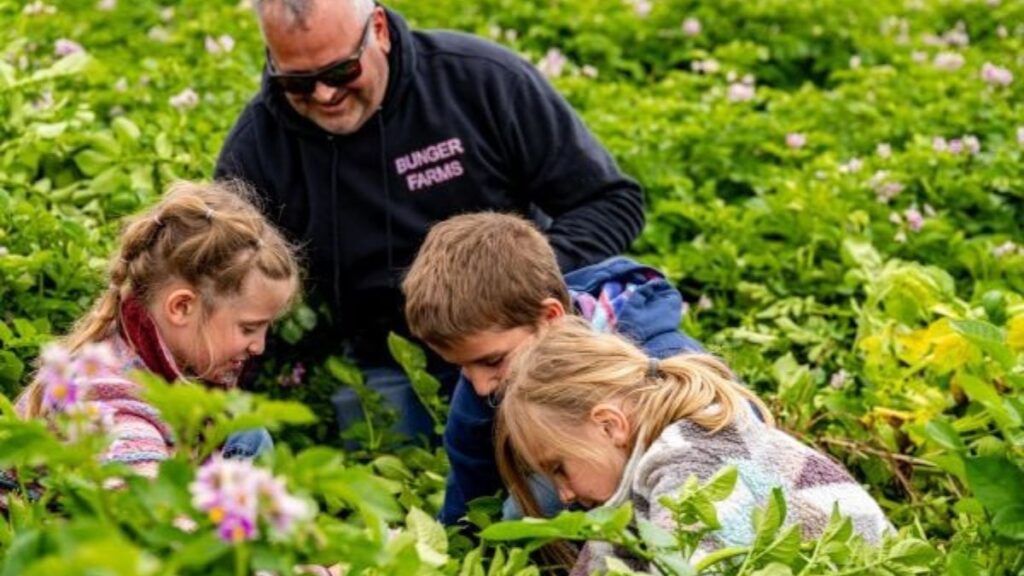
We live in a changing world, at a time in history when rapid advances are taking place in many industries. This includes the agricultural sector, where farmers are continually working to improve the output and efficiency of their crops. These farmers must also look toward the future, developing new methods for adapting to the needs of a changing climate and a growing population.
Even as they look forward, however, it’s more important than ever for farmers to maintain their link to the past. Developing new knowledge is only part of the picture, as some of the most important skills in the industry have been passed down through many decades. This is why generational farming is important to the future of agriculture: It is the method by which communities maintain stewardship of local land while also supporting the economic stability of the surrounding area.
Below, we’ll explain what generational farming is and how it works, as well as discuss the benefits of this traditional way of growing crops, including its value for the long-term residents of a region.
Keeping It in the Family
Broadly speaking, generational farmingrefers to farms that are kept in a single family over the course of multiple generations. In many cases, the same type of produce may be grown on these farms over the course of several decades. Some farms are even older than that, with the oldest ones in the US maintaining a continuous operation for hundreds of years.
In the past, passing farms down through families was simply the way things were done. Land was tilled by farmers until the time came to hand it down to their children and, eventually, grandchildren. However, in more recent times, many farms have been purchased by large corporations, becoming controlled by businesses with offices far away from the actual farming processes. This has led to a loss of knowledge and a negative impact on local economies. The return of generational farming helps to bring farms back to their original purpose of serving their communities.
How Generational Farms Preserve Knowledge
Instead of being worked by farmers who grew up on the land and know every detail of its day-to-day business, corporate farms are typically operated by interchangeable employees. While these employees may be well-trained, they will always be at a disadvantage compared to generational farmers, at least with regard to knowledge of a specific plot of land.
Consider this: An individual who grows up on a farm will eventually learn all its particular characteristics, as well as its unique quirks and needs. They will understand weather patterns and soil conditions in the area by the time they begin to learn how to work the land themselves. They’ll gain experience working with the specific crops that are best suited to the land and develop a thorough knowledge of how to maximize outputs for their farms.
Employees on corporate farms can be taught about a farm’s operations, but it could be years before they fully understand the idiosyncrasies that help the farm thrive. That’s why generational farms are far better for preserving the nuanced and detailed knowledge that effective agriculture requires.
Skill Training for Younger Generations
The above section outlines the importance of generational farming for the farms themselves, but it’s important to take note of the benefits that it has for the communities that the farms belong to as well. A large part of this is in the employable skills that children and young adults in the community can learn. As they grow up, they can take jobs on the farm that serve as an apprenticeship of sorts.
This on-the-job training provides a free source of education for the next generation, providing them with the skills they need to have a successful career in agriculture. Many of these young farmers end up as administrators, turning these valuable skills into a way to prosper continuously in their chosen profession.
Maintaining Land Stewardship
Generational Farming also play a critical role in promoting and protecting the sustainability of local ecosystems. If land is passed down from one generation to the next, each successive owner of that land will have a vested interest in protecting that land and ensuring it remains healthy and fertile. Compare this to corporate farming, where the goal of short-term profits can often lead to stripping the land of its nutrients and depleting the vital resources that crops depend on.
Generational farmers are also leading the charge in developing new methods of sustainable agriculture. For example,generational potato farmers in Washington now implement processes such as crop rotation and integrated pest management to support farms that are sustainable and productive for the long term.
Supporting Rural Community Stability
Lastly, we should discuss the benefits of generational farming for local economies and the stability of rural communities. The above sections impact this directly: By providing both jobs and job training for new generations, locals are incentivized to remain in the area where they grew up, rather than moving away to seek greener pastures. This helps small, rural communities survive in a changing world, while the farms also provide a source of food to the residents and support for other jobs. This includes jobs directly connected to the farm itself, such as in the processing and distribution of the crops that are produced.
With all the benefits that it provides, generational farming is a crucial form of agriculture for an ever-evolving world. To support generational farms in your area, begin by purchasing your produce from local farmers’ markets and buying locally grown fruits and vegetables whenever possible. You can also consider supporting local farming commissions: alliances of local small-scale farmers who work to provide agricultural and economic support for the surrounding cities and towns. In this way, you can help ensure farming knowledge is passed along, year after year, to provide for a sustainable future.