
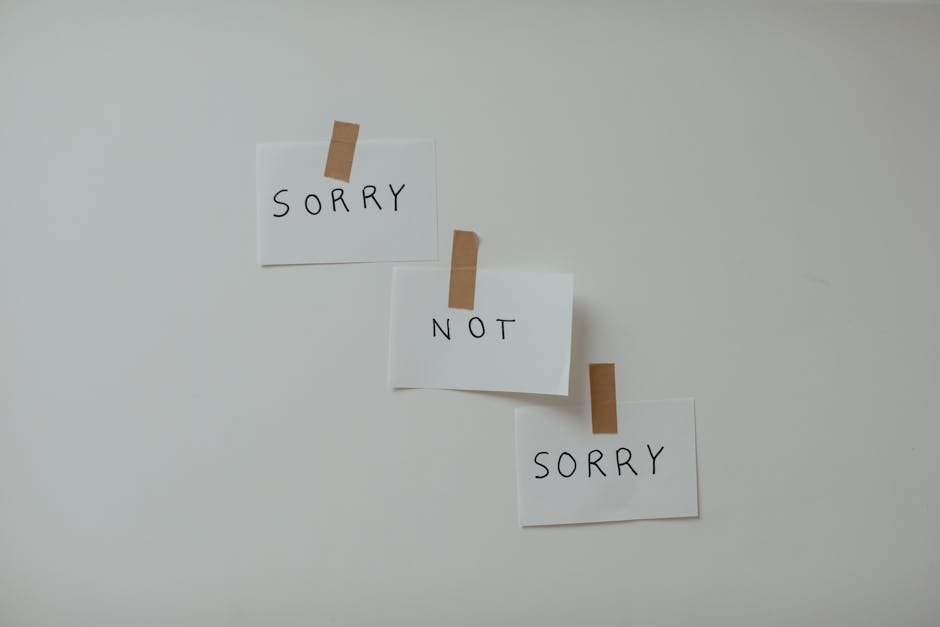
Declining an invitation can be challenging, especially when it comes from someone you value or respect. Knowing how to politely decline an invitation is a vital social skill that maintains relationships while setting boundaries. The phrase “how to politely decline an invitation” has become increasingly relevant as people navigate complex social networks both online and offline.
This article will guide you through the nuances of declining invitations with grace and tact. You’ll learn the key elements of a polite decline, various strategies for different scenarios, and practical examples to help you craft your responses. By the end of this article, you’ll be equipped to handle any invitation with confidence and poise.
The Art of Declining: Key Principles
Declining an invitation isn’t just about saying no; it’s about doing so in a way that respects the inviter and maintains the relationship. The core principle is to be clear, direct, and appreciative. A polite decline should acknowledge the invitation, express gratitude, and provide a reason, though not necessarily a detailed one. Being mindful of the tone and language used in your response is essential to avoid misinterpretation.
A well-crafted decline considers the context and the relationship with the inviter. For instance, declining a close friend’s invitation might require a more personal touch than declining a casual acquaintance’s. The key is to be sincere and consistent in your approach. People who can effectively decline invitations without offending others tend to have stronger, more resilient social networks.
To master the art of declining, one must balance directness with empathy. This means being clear about your inability to attend while showing appreciation for being included. A simple expression of thanks can go a long way in maintaining goodwill. For example, a heartfelt “thank you” can soften the impact of a decline and leave the door open for future interactions.
Strategies for Different Scenarios
Different situations call for different approaches when declining an invitation. For example, declining a work-related event might require a more formal tone than declining a social gathering. Understanding the context and adjusting your response accordingly is crucial. In professional settings, it’s often beneficial to provide a brief explanation or suggest an alternative, such as meeting at a different time.
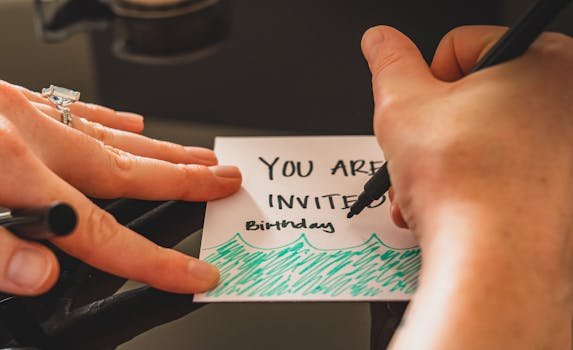
In social situations, the approach can be more relaxed, but still, it’s essential to be considerate. If you’re declining due to prior commitments, a simple statement of appreciation and a mention of being busy can suffice. If you’re declining due to personal reasons, a more general expression of gratitude and regret is often appropriate. The tone should match the context and relationship.
When declining an invitation from someone you don’t know well, keeping the response brief and polite is key. A generic but sincere message can help maintain a positive tone without requiring too much personal detail. This approach shows respect for the inviter’s time and consideration.
Common Mistakes to Avoid When Declining Invitations
- Being too vague: While you don’t need to give a detailed reason, being too vague can lead to confusion or follow-up questions. For example, saying “I’m busy” without any context might prompt the inviter to ask for more details.
- Overexplaining: Providing too much detail can make the decline seem insincere or even negative. For instance, detailing a long list of reasons why you can’t attend can give the impression that you’re making excuses.
- Using clichés: Phrases like “I’m slammed” or “My schedule is crazy” have become overused and can come across as insincere. Instead, opt for a more personalized response that still conveys your busyness or regret.
- Not offering an alternative: When appropriate, suggesting an alternative can help maintain the relationship. For example, if you can’t attend an event, you might suggest meeting for coffee instead.
- Delaying your response: Responding late can be seen as rude or inconsiderate. It’s better to decline promptly, even if you’re not sure yet, to give the inviter time to adjust their plans.
After a vague decline, the inviter might feel compelled to follow up, which can be awkward for both parties.
Overexplaining can also lead to the perception that you’re being dishonest or trying too hard to justify your absence.
Clichés can make your response seem lazy or unthoughtful, potentially damaging the relationship.
This approach shows that you value the relationship and are willing to make time, even if not for the specific invitation.
Delaying can also lead to unnecessary follow-ups or reminders, adding to the awkwardness.
Response Templates for Different Relationships
| Relationship | Example Response | Notes |
|---|---|---|
| Close Friend | “Thank you so much for thinking of me! I’m really sorry I won’t be able to make it, but let’s catch up soon.” | Personal touch, suggests alternative |
| Professional Contact | “I appreciate the invitation to [event]. Unfortunately, I have a prior commitment. I look forward to connecting at another time.” | Formal tone, maintains professional courtesy |
| Casual Acquaintance | “Thank you for inviting me. I’m afraid I won’t be able to attend, but I appreciate the thought.” | Polite and brief, no need for detailed explanation |
| Family Member | “I’m so grateful you thought of me, but I won’t be able to make it. Let’s plan something else soon.” | Warm tone, suggests future engagement |
| Social Media Invitation | “Thanks for thinking of me! I won’t be able to attend, but I appreciate the invite.” | Brief, friendly, suitable for online interactions |
The Impact of a Well-Crafted Decline
A study found that 70% of people reported feeling more positive about a relationship when someone declined their invitation graciously, compared to a blunt or unconsidered decline. For example, when a well-known industry leader politely declined a speaking engagement, they not only maintained their professional reputation but also opened the door for future collaborations by suggesting an alternative date.
This example illustrates the power of a thoughtful decline. By being considerate and offering an alternative, you can turn a potential negative into a positive interaction. In professional settings, this can be particularly valuable for maintaining networks and opportunities.
The key takeaway is that a well-crafted decline is not just about saying no; it’s about maintaining relationships and potentially opening new avenues for connection. A gracious decline can leave a lasting positive impression.
Practical Examples for Common Invitations
Declining different types of invitations requires varying levels of detail and formality. For instance, declining a wedding invitation might involve a more personal and heartfelt message than declining a casual social media event invite. Understanding these nuances is crucial for effective communication.
When declining a formal event, such as a wedding or a conference, a more formal response is appropriate. This might include a written note or a formal email, depending on the context. For less formal events, a simple message or email can suffice. The tone should be adjusted according to the context.
The key is to match the tone of your response to the context and relationship, ensuring that your decline is both polite and appropriate. This helps in maintaining a healthy balance between your commitments and social obligations.
Conclusion
Mastering how to politely decline an invitation is a valuable skill that enhances your social and professional interactions. By being clear, direct, and appreciative, you can maintain relationships while setting boundaries. The strategies and examples provided in this article will help you navigate various scenarios with confidence.
As you practice declining invitations with grace, you’ll find that it becomes easier to maintain a healthy balance between your commitments and your social obligations. Remember, a polite decline is not just about saying no; it’s about doing so in a way that respects the other person and preserves the relationship.
FAQs
What is the most important element of a polite decline?
Expressing gratitude and appreciation for the invitation is crucial. This sets a positive tone for your response and shows respect for the inviter.
A simple “thank you” can go a long way in maintaining goodwill.
How detailed should my reason be when declining an invitation?
Your reason should be brief and to the point. A simple statement of being busy or having a prior commitment is usually sufficient.
Avoid overexplaining, as it can make the decline seem insincere.
Is it necessary to offer an alternative when declining an invitation?
Offering an alternative is not always necessary but can be helpful in maintaining the relationship, especially with close friends or professional contacts.
It shows that you value the connection and are willing to make time.