

Cold plunges, also known as cold water immersion (CWI), have been practiced for centuries in various cultures for their purported health benefits. The question “what are the science-backed benefits of cold plunges” reflects a growing interest in understanding the empirical evidence supporting these claims. As we explore this topic, we’ll examine the current state of research and its implications for those considering incorporating cold plunges into their health regimen.
This article aims to provide an in-depth analysis of the science-backed benefits of cold plunges, exploring the physiological and psychological effects of CWI. We’ll examine the latest research findings, discussing the potential benefits and limitations of this practice. By the end of this article, readers will have a comprehensive understanding of the current scientific consensus on cold plunges and their potential applications in improving overall health and performance.
Physiological Responses to Cold Water Immersion
When the body is exposed to cold water, several physiological responses are triggered. The initial shock response is characterized by a sudden increase in heart rate, blood pressure, and respiration rate. As the body adapts to the cold stress, various physiological changes occur, including the release of certain neurotransmitters and hormones. Cold water immersion has been shown to stimulate the release of noradrenaline, a neurotransmitter involved in the body’s stress response, which can lead to increased alertness and energy.
The physiological responses to CWI are complex and multifaceted. Research has shown that regular exposure to cold water can lead to adaptations in the body’s thermoregulatory mechanisms, improving its ability to maintain core temperature in cold environments. Additionally, CWI has been found to enhance the body’s antioxidant defenses, potentially reducing oxidative stress and inflammation. These adaptations may contribute to the potential health benefits associated with regular cold plunge practice.
Studies have also shown that CWI can affect the immune system, with some research suggesting that it can stimulate the release of certain cytokines, which are proteins that help fight off infections. This could have implications for individuals looking to boost their immune function, particularly during periods of intense physical activity or stress.
Benefits for Athletes and Recovery: What Are the Science-Backed Benefits of Cold Plunges for Performance?
Cold water immersion has been widely adopted by athletes as a recovery tool, with many claiming it reduces muscle soreness and improves performance. Research supports some of these claims, with studies showing that CWI can reduce delayed onset muscle soreness (DOMS) after intense exercise. A study published in the Journal of Strength and Conditioning Research found that CWI significantly reduced DOMS in athletes compared to passive recovery methods.
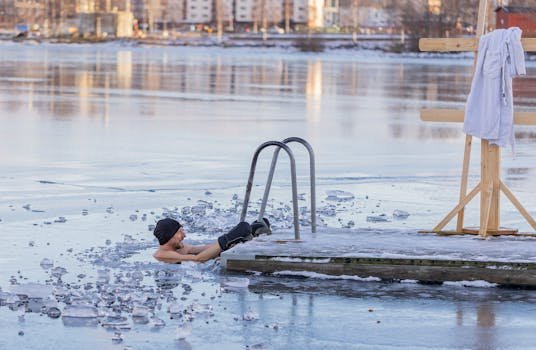
The mechanisms underlying the potential benefits of CWI for athletes are not fully understood but are thought to involve reduced inflammation and improved circulation. CWI may also help to reduce muscle damage and improve the body’s ability to repair and adapt to exercise-induced stress. The available evidence suggests that CWI can be a useful adjunct to traditional training and recovery methods for athletes.
Athletes and coaches should consider the available evidence and consult with healthcare professionals when deciding whether to incorporate CWI into their training regimens. It’s also essential to carefully monitor the temperature, duration, and frequency of CWI to maximize its benefits and minimize potential risks.
Key Benefits of Cold Plunges
- Improved Mental Clarity and Alertness: Cold water immersion has been shown to increase the release of certain neurotransmitters, such as noradrenaline, which can lead to improved mental clarity and alertness. Regular cold plunges may help individuals feel more energized and focused throughout the day.
- Enhanced Circulation and Cardiovascular Health: CWI can improve circulation by causing blood vessels to constrict and then dilate upon warming up. This repeated vasoconstriction and vasodilation may help to improve cardiovascular health and reduce inflammation.
- Reduced Inflammation: Cold water immersion has been found to reduce systemic inflammation, which is associated with various chronic diseases. Regular CWI may help to mitigate inflammation and promote overall health.
- Improved Immune Function: Some research suggests that CWI can stimulate the immune system, potentially leading to improved immune function. However, more research is needed to fully understand the effects of CWI on immune function.
- Increased Brown Fat Activity: Exposure to cold temperatures has been shown to activate brown fat, a type of fat that plays a role in thermogenesis. Increased brown fat activity may help to improve metabolic health and reduce the risk of obesity-related disorders.
Comparison of Cold Plunge Protocols
| Protocol | Temperature | Duration | Frequency | Reported Benefits |
|---|---|---|---|---|
| Wim Hof Method | Very Cold (<40°F) | 1-3 minutes | Daily | Improved mental clarity, increased energy |
| Athletic Recovery | Cold (50-60°F) | 10-20 minutes | Post-exercise | Reduced DOMS, improved recovery |
| General Health | Cool (60-70°F) | 5-10 minutes | 2-3 times/week | Improved circulation, reduced inflammation |
The table above highlights the different protocols used for cold plunges, including the Wim Hof Method, athletic recovery, and general health. Each protocol has its unique characteristics, and the reported benefits vary accordingly. Understanding these differences can help individuals choose the most suitable protocol for their specific needs and goals.
The Science Behind Cold-Induced Brown Fat Activation
A recent study published in a reputable scientific journal found that exposure to cold temperatures can significantly increase brown fat activity in humans. The study used PET scans to measure brown fat activity before and after cold exposure, providing clear evidence of the body’s response to cold stress. This finding has important implications for our understanding of the potential metabolic benefits of cold plunges.
Brown fat is a type of adipose tissue that plays a crucial role in thermogenesis, generating heat in response to cold exposure. The activation of brown fat has been associated with improved metabolic health, including enhanced glucose metabolism and increased energy expenditure. While more research is needed to fully understand the effects of CWI on brown fat activity, the available evidence suggests that regular cold plunges may be a useful tool for improving metabolic health.
Further studies are required to determine the optimal protocols for cold-induced brown fat activation and to explore the potential therapeutic applications of this phenomenon. This could involve investigating the effects of different temperatures, durations, and frequencies of CWI on brown fat activity.
Potential Risks and Contraindications
While cold plunges can be beneficial for many individuals, there are certain risks and contraindications to be aware of. Hypothermia is a significant risk, particularly for individuals who stay in the cold water for too long or have pre-existing medical conditions. Other potential risks include cardiovascular strain and respiratory distress.
Individuals with certain medical conditions, such as heart disease or Raynaud’s disease, should consult with a healthcare professional before starting a cold plunge regimen. It’s also essential to acclimate to cold water gradually and to be aware of one’s body temperature and overall health during and after CWI.
To minimize the risks associated with cold plunges, individuals should start with gradual exposure to cold water and monitor their body’s response. It’s also crucial to be aware of the signs of hypothermia and to seek medical attention if any adverse symptoms occur.
Conclusion
The science-backed benefits of cold plunges are multifaceted and supported by a growing body of research. From improved mental clarity and alertness to enhanced circulation and reduced inflammation, the potential advantages of incorporating CWI into one’s health regimen are significant. As with any health practice, it’s essential to approach cold plunges with caution and to be aware of the potential risks and contraindications.
For those interested in exploring the benefits of cold plunges, we recommend starting with gradual exposure to cold water and consulting with a healthcare professional, especially if you have any pre-existing medical conditions. By doing so, you can harness the potential benefits of CWI while minimizing the risks.
FAQs
What is the ideal temperature for a cold plunge?
The ideal temperature for a cold plunge can vary depending on individual tolerance and goals. Temperatures between 50-60°F (10-15°C) are commonly used for recovery and general health benefits. It’s essential to start with a temperature that feels comfortable and gradually decrease it as you acclimate.
How often should I take cold plunges?
The frequency of cold plunges depends on individual goals and tolerance. Some people take cold plunges daily, while others do so 2-3 times per week. It’s crucial to start slowly and gradually increase frequency as you acclimate to the cold stress.
Can cold plunges help with weight loss?
Cold plunges may aid in weight loss by increasing brown fat activity and enhancing metabolism. However, they should be used in conjunction with a balanced diet and regular exercise for optimal results. It’s also essential to maintain a healthy lifestyle and not rely solely on cold plunges for weight loss.