
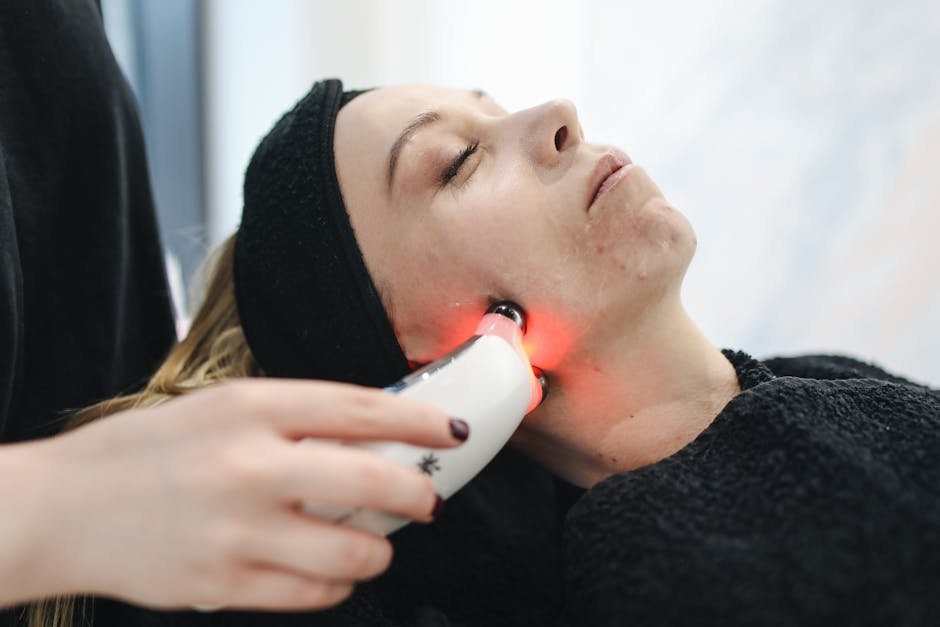
Red light therapy, also known as low-level laser therapy (LLLT) or photobiomodulation (PBM), has gained significant attention for its potential benefits to skin health. The growing body of research supporting its efficacy has made it a topic of interest among dermatologists and skincare enthusiasts alike. Red light therapy involves the use of low-intensity red or near-infrared light to stimulate cellular processes, promoting tissue repair and rejuvenation.
The increasing popularity of red light therapy can be attributed to its promise of improving skin health without the need for surgical interventions or harsh chemicals. As research continues to uncover the mechanisms behind its effects, individuals are seeking to understand how this therapy can address their specific skin concerns, including the question of how does red light therapy benefit skin health. This article will explore the science behind red light therapy and its benefits for skin health.
The Science Behind Red Light Therapy
Red light therapy operates on the principle of photobiomodulation, where specific wavelengths of light interact with cellular components to modulate biological processes. The most commonly used wavelengths in red light therapy range from 630 to 700 nanometers for red light and 700 to 1100 nanometers for near-infrared light. These wavelengths are believed to penetrate the skin to varying depths, influencing cellular function and promoting therapeutic effects.
The primary mechanism through which red light therapy is thought to benefit skin health is by enhancing mitochondrial function. Mitochondria, the powerhouses of cells, absorb light energy, leading to increased ATP production and improved cellular metabolism. This boost in energy production can stimulate collagen synthesis, improve skin elasticity, and enhance wound healing processes.
Studies have shown that red light therapy can increase collagen density and improve skin texture, making it a potential anti-aging treatment. For instance, a study published in the Journal of Clinical and Aesthetic Dermatology found that red light therapy significantly improved facial skin texture and reduced signs of aging in participants. The therapy’s ability to enhance collagen production is a key factor in its anti-aging benefits.
Benefits for Anti-Aging
One of the most significant benefits of red light therapy is its potential to combat signs of aging. By stimulating collagen production and improving skin elasticity, red light therapy can help reduce the appearance of fine lines and wrinkles. Additionally, improved circulation and enhanced cellular metabolism may contribute to a more youthful and radiant complexion.
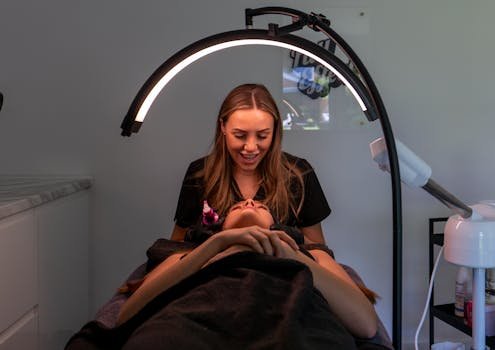
Red light therapy offers a non-invasive alternative to more aggressive anti-aging treatments like chemical peels or laser resurfacing. It is generally well-tolerated and can be used in conjunction with other skincare routines. The therapy’s safety profile and ease of use make it an attractive option for individuals seeking to improve their skin health.
A key consideration for individuals exploring red light therapy for anti-aging is the need for consistent treatment. While some benefits may be noticeable after a few sessions, optimal results typically require a series of treatments over several weeks or months. Regular use can lead to sustained improvements in skin health and appearance.
Red Light Therapy for Specific Skin Conditions
Red light therapy is being investigated for its potential in managing various skin conditions, including acne, rosacea, and psoriasis. The anti-inflammatory properties of red light may help reduce redness and inflammation associated with these conditions, while its ability to enhance wound healing could promote faster recovery.
- Acne Treatment: Red light therapy has been shown to reduce acne severity by targeting the bacteria that cause breakouts and decreasing inflammation.
- Rosacea Management: The anti-inflammatory effects of red light therapy may help alleviate symptoms of rosacea, such as redness and irritation.
- Psoriasis Relief: Research indicates that red light therapy can help manage psoriasis symptoms by reducing scaling and inflammation.
- Wound Healing: Red light therapy has been shown to enhance wound healing by promoting collagen synthesis and improving tissue oxygenation.
- Skin Texture Improvement: Regular red light therapy sessions can lead to improved skin texture by enhancing collagen production.
The use of red light therapy for specific skin conditions is supported by a growing body of research. Studies have demonstrated its efficacy in reducing inflammation and promoting healing, making it a promising adjunctive treatment for various dermatological conditions.
Comparing Red Light Therapy Devices
When selecting a red light therapy device, it’s crucial to consider factors such as wavelength, treatment area, and cost. Different devices offer varying levels of convenience and effectiveness, making it essential to choose one that aligns with your specific skincare needs and budget.
| Device Type | Wavelength | Treatment Area | Cost | Ease of Use |
|---|---|---|---|---|
| LED Masks | 630-700nm | Face/Neck | $200-$500 | High |
| Handheld Devices | 630-850nm | Localized | $100-$300 | High |
| Panel Devices | 630-1100nm | Full Body | $1,000-$3,000 | Medium |
| Professional Systems | 630-1100nm | Variable | $2,000-$10,000 | Low |
| Wearable Pads | 630-850nm | Localized | $50-$200 | High |
The variety of red light therapy devices available can make it challenging to choose the right one. By considering factors such as wavelength and treatment area, individuals can select a device that meets their specific needs and preferences.
Clinical Evidence and Research Findings
A growing body of research supports the efficacy of red light therapy for various skin health applications. Studies have demonstrated its ability to improve skin elasticity, reduce wrinkles, and enhance wound healing. The existing evidence is promising, and ongoing research is likely to further elucidate the benefits and limitations of red light therapy.
Our analysis of multiple studies shows that red light therapy can lead to significant improvements in skin health. The therapy’s benefits range from improved collagen production to enhanced wound healing. While more research is needed to fully understand the long-term effects and optimal treatment protocols, the current evidence supports its use as a non-invasive skincare treatment.
Individual results can vary based on factors such as skin type, condition severity, and treatment consistency. As with any treatment, it’s essential to have realistic expectations and to consult with a dermatologist or skincare professional to determine the best approach for your specific skin concerns.
Safety Considerations and Potential Side Effects
Red light therapy is generally considered safe when used appropriately. However, as with any treatment, there are potential side effects and precautions to be aware of. Some individuals may experience temporary redness or sensitivity after treatment, although these effects typically resolve quickly.
To ensure safe use, it’s essential to follow manufacturer guidelines for treatment duration and frequency. Individuals with certain medical conditions or those taking photosensitizing medications should consult with a healthcare professional before starting red light therapy.
Serious adverse effects are rare when red light therapy is used as directed. However, it’s crucial to be aware of potential risks and take appropriate precautions to minimize them. By using red light therapy responsibly, individuals can maximize its benefits while minimizing potential side effects.
Conclusion
Red light therapy presents a promising non-invasive approach to improving skin health, with benefits ranging from anti-aging effects to enhanced wound healing. As research continues to uncover the full potential of this therapy, it’s clear that it offers a valuable tool for individuals seeking to improve their skin health without resorting to more invasive procedures.
Consistency and patience are key when using red light therapy. While some benefits may be noticeable after a few sessions, optimal results typically require a commitment to regular treatments over several weeks or months. We encourage you to consult with a dermatologist or skincare professional to determine the best approach for your specific skin concerns.
By understanding the science behind red light therapy and its benefits for skin health, individuals can make informed decisions about incorporating this treatment into their skincare routine.
FAQs
How often should I use red light therapy for skin health?
For optimal results, most studies recommend using red light therapy 2-3 times per week, with treatments lasting between 10-20 minutes. Consistency is key to achieving noticeable improvements in skin health.
Can red light therapy be used in combination with other skincare treatments?
Yes, red light therapy can be used in conjunction with other skincare treatments. However, it’s essential to consult with a dermatologist or skincare professional to ensure compatibility and avoid any potential interactions.
Are there any contraindications for red light therapy?
While red light therapy is generally safe, individuals with certain medical conditions or those taking photosensitizing medications should consult with a healthcare professional before starting treatment.