
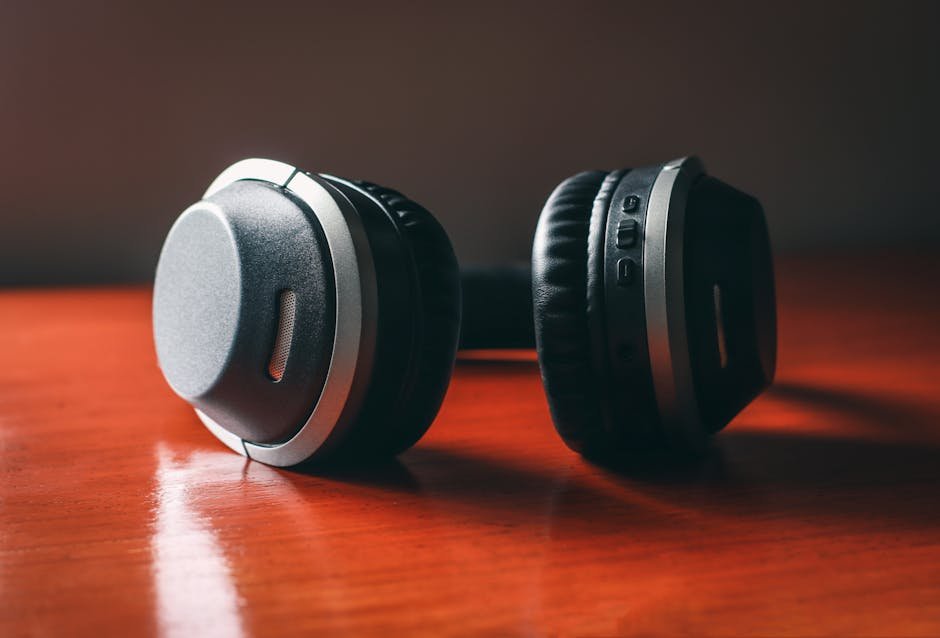
Noise-cancelling headphones have become an essential tool for commuters, professionals, and audiophiles alike, particularly with the advancements in technology seen in 2026. At their core, noise-cancelling headphones use a technology known as Active Noise Cancellation (ANC) to reduce unwanted ambient sounds. This is achieved through a combination of microphones, electronic circuitry, and speakers working in tandem to produce a “negative” sound wave that cancels out the ambient noise. The result is a more immersive listening experience with significantly reduced background noise. Understanding how noise-cancelling headphones work is crucial for appreciating their ability to enhance productivity, improve sound quality, and provide a more comfortable listening experience.
The increasing popularity of noise-cancelling headphones has led to a surge in demand, driving manufacturers to push the boundaries of ANC technology. As a result, modern noise-cancelling headphones incorporate more sophisticated algorithms and better hardware to improve performance. This article will explore the intricacies of noise-cancelling technology, examining how it works, its various types, and what to look for when selecting a pair of noise-cancelling headphones in 2026.
The Basic Principle of Active Noise Cancellation
The fundamental principle behind ANC is based on the concept of destructive interference, where two sound waves that are out of phase with each other cancel each other out. In the context of noise-cancelling headphones, this is achieved by using one or more microphones to capture ambient noise, which is then processed by an electronic circuit to generate an “anti-noise” signal. This anti-noise signal is the exact opposite of the ambient noise, and when played through the headphones’ speakers, it effectively cancels out the unwanted sound.
The effectiveness of ANC depends on several factors, including the type and quality of the microphones used, the sophistication of the noise-cancelling algorithm, and the design of the headphones themselves. For instance, headphones with multiple microphones can better capture a wider range of ambient noises, leading to more effective noise cancellation. The placement of these microphones is also crucial, as it affects their ability to accurately capture the ambient noise.
In practice, this means that noise-cancelling headphones can significantly reduce constant, low-frequency sounds such as the hum of an engine or the rumble of an airplane. However, they are less effective against high-frequency sounds or sudden, sharp noises. Understanding these limitations is key to appreciating the technology’s capabilities and choosing the right headphones for specific needs. For example, commuters may benefit from noise-cancelling headphones that effectively reduce engine noise, while musicians may require headphones that can handle a broader range of frequencies.
Types of Noise-Cancelling Technology
There are primarily two types of noise-cancelling technologies: passive and active. Passive noise cancellation involves the physical design of the headphones, such as the use of ear cups that fit snugly around the ears to block out ambient noise. This method is effective against high-frequency sounds and is used in conjunction with ANC in most modern noise-cancelling headphones.
Active noise cancellation, as discussed, involves the use of electronic components to generate an anti-noise signal. Some headphones also employ a hybrid approach, combining both passive and active noise-cancelling techniques to achieve a more comprehensive noise reduction. The effectiveness of these technologies can vary based on the design and implementation. For instance, adaptive ANC adjusts the level of noise cancellation based on the ambient noise around the listener.
Different types of ANC include feedforward ANC, which uses a microphone placed on the outside of the ear cup to capture ambient noise; feedback ANC, which employs a microphone inside the ear cup to monitor the sound at the listener’s ear; and hybrid ANC, which combines both feedforward and feedback ANC. Additionally, features like transparent mode allow some ambient noise to pass through, enabling the listener to be aware of their surroundings.
How Noise-Cancelling Headphones Affect Sound Quality
One of the concerns with noise-cancelling headphones is their potential impact on sound quality. The addition of ANC circuitry and the processing of audio signals to generate anti-noise can, in theory, affect the fidelity of the sound. However, most modern noise-cancelling headphones are designed to minimize this impact, with some manufacturers achieving a balance between effective noise cancellation and high-quality audio reproduction.
The impact on sound quality can vary depending on the implementation of ANC. Advanced noise-cancelling headphones use sophisticated signal processing algorithms to minimize any degradation in sound quality. In some cases, the improvement in listening experience due to reduced ambient noise can even enhance the perceived sound quality.
A comparison of basic and advanced ANC headphones reveals significant differences in noise cancellation effectiveness, sound quality, and adaptive features. Advanced ANC headphones offer excellent noise cancellation across a wider frequency range, minimal impact on sound quality, and features like adaptive ANC and customizable settings.
The Limitations and Challenges of Noise-Cancelling Technology
While noise-cancelling headphones are highly effective, they are not without their limitations. They are more effective against constant, low-frequency noises rather than sudden or high-frequency sounds. The effectiveness of ANC can also be compromised in very loud environments or when the headphones are not fitted properly.
Another challenge is the potential for ANC to introduce artifacts or “hissing” sounds, particularly in quiet environments. This is due to the amplification of background noise by the ANC circuitry when there is little ambient noise to cancel. High-end headphones mitigate this issue through advanced noise-cancelling algorithms and better hardware design.
Understanding these limitations is crucial for setting realistic expectations and choosing the right headphones for specific needs. For instance, individuals working in very loud environments may require headphones with advanced ANC features, while those in quieter environments may prioritize sound quality.
Real-World Performance: What to Expect
Studies have shown that high-end noise-cancelling headphones can achieve significant reductions in ambient noise, often in the range of 20-30 dB. This translates to a substantial improvement in the listening experience, especially in noisy environments. For example, commuters can benefit from reduced engine noise, while professionals can focus better in open offices.
In practical terms, noise-cancelling headphones can be particularly beneficial for individuals who frequently find themselves in noisy environments. The ability to focus on the desired audio without distraction can enhance productivity and enjoyment.
The real-world performance of noise-cancelling headphones also depends on factors like the type of noise and the fit of the headphones. Proper fit and adjustment can significantly impact the effectiveness of noise cancellation.
Choosing the Right Noise-Cancelling Headphones
When selecting noise-cancelling headphones, several factors should be considered. These include the type of ANC technology used, the quality of sound reproduction, comfort, battery life, and additional features like adaptive ANC or transparent mode. The specific use case is also crucial, as different environments may require different features or levels of noise cancellation.
For instance, commuters may prioritize headphones with long battery life and effective noise cancellation against constant engine noises. Professionals working in quieter environments may focus more on sound quality and comfort. Understanding individual needs and preferences is key to choosing the right noise-cancelling headphones.
By considering these factors and understanding how ANC works, consumers can make informed decisions that meet their specific needs. Whether for commuting, working, or simply enjoying music, noise-cancelling headphones represent a valuable tool in enhancing audio experiences.
Conclusion
The technology behind noise-cancelling headphones has evolved significantly, offering users a more immersive and distraction-free listening experience. By understanding how ANC works and what to look for in a pair of noise-cancelling headphones, consumers can make informed decisions that meet their specific needs.
As we look to the future, advancements in ANC technology are likely to continue, potentially leading to even more effective noise cancellation and improved sound quality. For now, the best noise-cancelling headphones offer a compelling combination of performance, comfort, and features that cater to a wide range of users.
When choosing a pair, consider your specific needs and preferences to find the perfect balance. With the right noise-cancelling headphones, you can enjoy a more immersive listening experience, enhanced productivity, and improved overall satisfaction.
FAQs
Do noise-cancelling headphones completely eliminate all background noise?
No, noise-cancelling headphones are more effective against constant, low-frequency sounds. They may not completely eliminate sudden or high-frequency noises. The effectiveness of noise cancellation depends on various factors, including the type of ANC technology used.
Can noise-cancelling headphones cause ear fatigue?
Some users may experience ear fatigue or discomfort due to the pressure exerted by the headphones or the hissing sound generated by the ANC circuitry. Proper fit and choosing headphones with advanced ANC can mitigate these issues. It’s also worth considering headphones with adjustable ANC levels.
Are noise-cancelling headphones worth the investment?
For individuals who frequently find themselves in noisy environments, such as commuters or professionals working in open offices, noise-cancelling headphones can be a worthwhile investment. They enhance the listening experience and can improve productivity. The decision to invest should be based on individual needs and preferences.