

Continuous glucose monitoring (CGM) has traditionally been associated with diabetes management. However, in 2026, CGM technology is being adopted by non-diabetics seeking to optimize their metabolic health or gain insights into how their diet affects their glucose levels. The technology involves wearing a small sensor under the skin that measures glucose levels in the interstitial fluid.
As CGM’s popularity among non-diabetics grows, so does the need for clear information about how it works and what it can offer. This article will explore CGM’s mechanics, benefits, and limitations for non-diabetics, and provide insights into using CGM data effectively.
The Basics of Continuous Glucose Monitoring
CGM systems consist of three main components: a sensor inserted under the skin, a transmitter that sends data from the sensor to a receiver, and a receiver or smartphone app that displays glucose data. The sensor measures glucose levels in the interstitial fluid, which mirrors blood glucose levels, and sends this data to the transmitter.
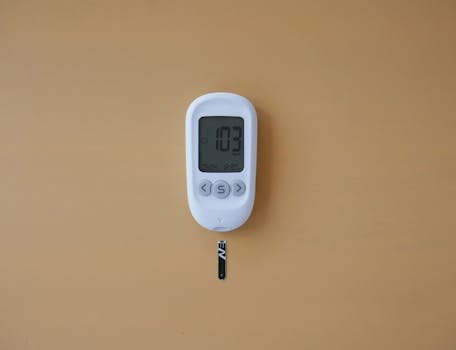
The accuracy of CGM systems has improved significantly, with many devices now offering high accuracy. A study published in the Journal of Diabetes Science and Technology found that modern CGM systems have a mean absolute relative difference (MARD) of around 9-10%, indicating high accuracy compared to traditional blood glucose monitoring.
For non-diabetics, understanding CGM data nuances is crucial. It’s not just about tracking glucose levels; it’s about interpreting data in the context of diet and overall health. For example, a spike in glucose after consuming a particular food can provide insights into how that food affects the body.
How Does Continuous Glucose Monitoring Work for Non-Diabetics?
CGM provides non-diabetics with real-time data on their glucose levels, allowing them to make informed decisions about their diet and lifestyle. By tracking glucose responses to different foods and activities, individuals can identify patterns and make changes to improve their metabolic health.
For instance, CGM can help non-diabetics understand how different types of carbohydrates affect their glucose levels. This information can be used to make informed dietary choices, potentially leading to improved overall health.
Additionally, CGM data can be used to optimize exercise routines. By monitoring glucose levels during different types of exercise, individuals can determine which activities have the most significant impact on their glucose levels, potentially improving their fitness and metabolic health.
Benefits of CGM for Non-Diabetics
One benefit of CGM for non-diabetics is gaining a deeper understanding of how their diet affects their glucose levels. By tracking glucose responses to different foods, individuals can make informed decisions about their diet, potentially leading to improved metabolic health.
CGM can also be valuable for athletes and fitness enthusiasts. By monitoring glucose levels during exercise, individuals can optimize their fueling strategies, potentially improving performance and reducing the risk of energy crashes.
CGM data can provide insights into how different factors, such as stress and sleep, affect glucose levels. This information can be useful for individuals looking to optimize their overall health and well-being.
Key Considerations When Using CGM as a Non-Diabetic
- Choosing the Right CGM System: Non-diabetics should consider factors such as accuracy, ease of use, and cost when selecting a CGM system. Some systems are designed specifically for non-diabetics, offering features like personalized insights.
- Interpreting CGM Data: Understanding CGM data requires interpreting it in the context of diet, exercise, and overall health. Non-diabetics should be aware of factors that can affect glucose levels, such as meal composition and timing.
- Setting Realistic Expectations: CGM is not a magic bullet for health optimization. Non-diabetics should have realistic expectations about what CGM can achieve and understand that it’s just one tool among many for achieving health goals.
- Consulting Healthcare Professionals: Non-diabetics should consult with healthcare professionals before starting CGM, especially if they have underlying health conditions.
- Data Privacy and Security: Non-diabetics should be aware of the privacy and security implications of using CGM and choose a system with robust data protection measures.
By considering these factors, non-diabetics can use CGM effectively and make informed decisions about their health.
Comparing CGM Systems for Non-Diabetics
| CGM System | Accuracy (MARD) | Cost | Key Features for Non-Diabetics |
|---|---|---|---|
| System A | 9% | $X per month | Personalized insights, integration with fitness trackers |
| System B | 10% | $Y per month | Advanced data analytics, compatibility with multiple devices |
| System C | 8% | $Z per month | Simplified user interface, integration with popular health apps |
| System D | 9.5% | $W per month | Longer sensor wear time, robust data security measures |
| System E | 11% | $V per month | Affordable option, basic data tracking features |
When choosing a CGM system, non-diabetics should consider factors like accuracy, cost, and features that align with their health goals. The table above compares several CGM systems available in 2026, highlighting their accuracy, cost, and features relevant to non-diabetics.
This comparison can help non-diabetics make an informed decision when selecting a CGM system that meets their needs.
Practical Applications of CGM Data for Non-Diabetics
A study published in a leading nutrition journal found that non-diabetic individuals who used CGM to guide their dietary choices experienced significant improvements in metabolic health over six months. The study demonstrated CGM’s potential to inform personalized nutrition strategies.
By analyzing CGM data, individuals can identify specific foods or meals that cause glucose spikes, allowing them to make informed dietary choices. For example, someone might discover that a particular breakfast cereal causes a large glucose spike, prompting them to switch to a different breakfast option.
CGM data can also be used to optimize exercise routines. By monitoring glucose levels during different types of exercise, individuals can determine which activities have the most significant impact on their glucose levels, potentially improving their fitness and metabolic health.
Limitations and Future Directions
While CGM offers valuable insights for non-diabetics, it’s essential to understand its limitations. CGM data should be considered in the context of overall health, rather than being used in isolation. The cost and accessibility of CGM systems can also be barriers for some individuals.
As CGM technology evolves, we can expect improvements in accuracy, affordability, and user experience. Future developments may include more advanced data analytics and integration with other health monitoring technologies, enhancing CGM’s value for non-diabetics.
For now, non-diabetics interested in using CGM should carefully weigh the potential benefits against the costs and consider consulting with healthcare professionals to determine if CGM is right for them.
Conclusion
Continuous glucose monitoring offers non-diabetics a tool for understanding their metabolic health and making informed decisions about their diet and lifestyle. By providing real-time data on glucose levels, CGM can help individuals optimize their health and potentially reduce their risk of chronic diseases.
As CGM technology advances, we may see more innovative applications beyond diabetes management. For those considering CGM, it’s essential to approach it with a clear understanding of its capabilities and limitations, and to use the data it provides as part of a broader health optimization strategy.
By using CGM effectively, non-diabetics can take a proactive approach to their health and make informed decisions about their diet and lifestyle.
FAQs
Is continuous glucose monitoring safe for non-diabetics?
Yes, CGM is generally safe for non-diabetics when used as directed. However, there may be some risks or side effects, such as skin irritation at the sensor site.
How accurate is CGM for non-diabetics?
CGM accuracy for non-diabetics is generally high, with many modern systems having a MARD of around 9-10%. However, accuracy can vary depending on the device and individual factors.
Can CGM help with weight loss?
CGM can be a useful tool for weight loss by providing insights into how different foods and activities affect glucose levels. By making informed dietary choices based on CGM data, individuals may be able to support their weight loss efforts.