

Nvidia’s DLSS 3 frame generation technology is a significant innovation in AI-powered rendering, introduced in 2022 as part of their GeForce RTX 40 series graphics cards. It uses advanced AI algorithms to generate entire frames rather than just pixels, significantly boosting gaming performance. Understanding how DLSS 3 frame generation works is crucial for developers and gamers seeking to leverage this technology for smoother gaming experiences.
The gaming industry’s increasing demand for complex graphics and high performance makes DLSS 3 a vital factor in delivering high-quality gaming experiences at high refresh rates and resolutions. This article explores the technical implementation, performance impact, and trade-offs involved in using DLSS 3 frame generation technology.
How Does DLSS 3 Frame Generation Work
DLSS 3 builds upon previous DLSS versions by incorporating a new frame generation algorithm. This algorithm uses a deep learning model trained on massive datasets of rendered frames to predict and generate new frames between the ones rendered by the GPU. The technology relies on Nvidia’s Optical Flow Accelerator (OFA), a hardware component that helps predict motion between frames.
The training process for the DLSS 3 model involves feeding it with pairs of rendered frames and the intermediate frame that should be generated between them. This training enables the model to learn complex motion patterns and generate high-quality intermediate frames. The result is a significant reduction in the computational load on the GPU.
In practice, DLSS 3 works by analyzing the motion vectors between rendered frames and using this information to generate new frames. This process involves complex calculations and AI-driven predictions to ensure that the generated frames are as accurate as possible, maintaining the overall gaming experience.
Performance Impact of Frame Generation
DLSS 3 frame generation can potentially double frame rates in supported games by generating intermediate frames. For instance, a game running at 60 FPS with DLSS 3 enabled might actually be rendering at 30 FPS while generating the additional frames. This performance boost is particularly noticeable in GPU-bound scenarios.
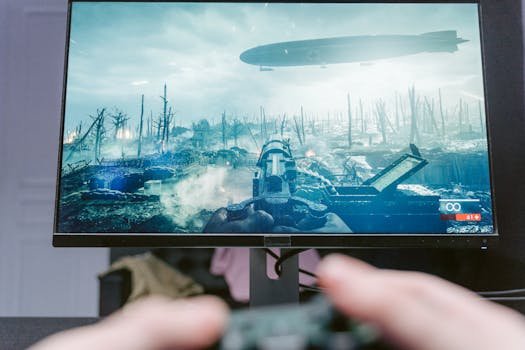
Analysis of benchmark data shows that DLSS 3 can provide a 50-100% increase in frame rates in supported titles. The actual performance gain varies depending on the game, scene complexity, and hardware configuration. Games with complex graphics or fast-paced action tend to benefit more from DLSS 3.
While DLSS 3 significantly improves frame rates, it also introduces some latency due to the frame generation process. Nvidia addresses this with their Reflex technology, which helps minimize latency and maintain responsiveness in games.
Key Components and Their Functions
The Optical Flow Accelerator (OFA) is a critical hardware component that analyzes motion between frames, providing necessary data for the AI model to generate accurate intermediate frames. The AI model at the heart of DLSS 3 is trained on vast datasets of gaming content, allowing it to understand complex motion patterns.
Nvidia’s Reflex technology works in conjunction with DLSS 3 to minimize latency introduced by frame generation. It optimizes the rendering pipeline to ensure generated frames are processed and displayed quickly. The frame generation algorithm uses data from the OFA and AI model to create new frames.
The integration of DLSS 3 with game engines requires collaboration between Nvidia and game developers. This involves optimizing the game to work effectively with DLSS 3 and ensuring the technology is used to its full potential, enhancing the gaming experience.
Comparison with Other Upscaling Technologies
| Technology | Frame Generation | AI Involvement | Hardware Requirement | Performance Boost |
|---|---|---|---|---|
| DLSS 3 | Yes | High | Nvidia RTX 40 series | Up to 100% |
| DLSS 2 | No | High | Nvidia RTX 20 series+ | Up to 50% |
| FSR 2.0 | No | Low | Multi-vendor GPUs | Up to 40% |
| TSR | No | Low | Multi-vendor GPUs | Up to 30% |
| XeSS | No | Medium | Intel Xe GPUs | Up to 50% |
This comparison highlights DLSS 3’s unique frame generation capability and its reliance on Nvidia’s specific hardware. Other technologies offer upscaling but don’t generate entire frames like DLSS 3.
The performance boost offered by DLSS 3 is significantly higher than its competitors, making it an attractive option for gamers seeking high frame rates. However, its exclusivity to Nvidia RTX 40 series GPUs limits its adoption.
Limitations and Potential Drawbacks
While DLSS 3 offers significant performance benefits, it’s not without limitations. One concern is the potential for artifacts in generated frames, particularly in complex scenes. Some games are more prone to these artifacts than others, depending on their graphics and motion complexity.
Another limitation is the hardware requirement; DLSS 3 is exclusive to Nvidia’s RTX 40 series GPUs. This exclusivity has been a point of contention among PC gamers without the latest Nvidia hardware.
Developers face challenges when implementing DLSS 3, as it requires significant integration work to ensure compatibility and optimal performance. This can be a barrier to adoption for smaller game studios.
Practical Implications for Gamers and Developers
For gamers, DLSS 3 offers the potential for smoother gameplay and higher frame rates without requiring a hardware upgrade. However, they need to be aware of the potential for artifacts and the limitation to Nvidia RTX 40 series GPUs.
Developers can use DLSS 3 to enhance their games’ performance, potentially allowing for more complex graphics or higher resolutions. They must carefully implement the technology to minimize artifacts and ensure a consistent experience.
Games with complex motion or fast-paced action benefit most from DLSS 3, while those with more static scenes may not see as significant a performance boost. This makes DLSS 3 particularly useful for certain game genres.
Conclusion
DLSS 3 frame generation represents a significant advancement in AI-powered rendering technology, offering substantial performance boosts for supported games. While it comes with some limitations and potential drawbacks, the benefits make it an important tool for both gamers and developers.
As the technology continues to evolve, we can expect further improvements in image quality and performance. For now, DLSS 3 remains a powerful option for those with Nvidia RTX 40 series hardware.
FAQs
What is the main difference between DLSS 3 and DLSS 2?
DLSS 3 introduces frame generation, creating entire new frames between rendered ones, while DLSS 2 only improves the quality of rendered frames through upscaling. This difference significantly impacts performance and gaming experience.
Does DLSS 3 work with all games?
No, DLSS 3 requires specific support from game developers. While it’s available in many modern titles, not all games are compatible with this technology. Compatibility depends on the game engine and developer implementation.
Can DLSS 3 be used with older Nvidia GPUs?
No, DLSS 3 is exclusive to Nvidia’s RTX 40 series GPUs due to its reliance on the new Optical Flow Accelerator hardware. This hardware requirement limits its adoption among users with older Nvidia hardware.