
Restoring gut health after antibiotics is crucial for overall well-being, as the balance of gut microorganisms plays a significant role in digestion, immunity, and even mental health. The disruption caused by antibiotics can lead to issues like digestive problems and weakened immunity.
This article will guide you through evidence-backed methods to improve your gut health naturally after antibiotics, covering dietary changes, lifestyle adjustments, and targeted supplements to help you reboot your microbiome effectively.
Understanding the Impact of Antibiotics on Gut Health
Antibiotics can significantly impact the gut microbiome by reducing microbial diversity and promoting the growth of opportunistic pathogens. Research has shown that antibiotic use can alter the gut microbiota for months or even years after treatment, according to a study published in the Journal of Clinical Gastroenterology.
The consequences of this disruption can manifest in various ways, including diarrhea, bloating, and increased susceptibility to infections. Understanding these effects is crucial for developing effective strategies to restore gut health.
To mitigate these impacts, adopting a multi-faceted approach that includes dietary modifications, probiotics, and lifestyle changes is essential. This comprehensive strategy can help your gut microbiome recover and thrive.
How to Improve Gut Health Naturally After Antibiotics Through Diet
A diet rich in fiber is one of the most effective ways to support gut health. Fiber acts as a prebiotic, feeding the beneficial bacteria in your gut and promoting their growth. Foods high in fiber include fruits, vegetables, whole grains, and legumes.
In addition to fiber, certain foods contain polyphenols, compounds that have been shown to have prebiotic effects. Examples include berries, green tea, and dark chocolate. These foods can help create an environment that fosters the growth of beneficial bacteria.
Avoiding foods that can disrupt gut health, such as those high in processed sugars and unhealthy fats, is also crucial. These can promote the growth of harmful bacteria and exacerbate gut imbalances.
The Role of Probiotics and Prebiotics in Gut Health Recovery
Probiotics are live microorganisms that confer a health benefit when administered in adequate amounts. They can help replenish the beneficial bacteria in your gut after antibiotic use. When selecting a probiotic supplement, choose products that contain multiple strains and have a guaranteed potency through the expiration date.
- Lactobacillus: Found in yogurt and fermented foods, this strain can help with lactose digestion and support gut health.
- Bifidobacterium: Important for immune system function and often used to treat irritable bowel syndrome (IBS).
- Saccharomyces boulardii: A yeast probiotic that can help prevent antibiotic-associated diarrhea.
- Streptococcus thermophilus: Often used in combination with other probiotics to enhance their effectiveness.
- Bacillus coagulans: A spore-forming probiotic that can survive harsh stomach conditions.
Prebiotics are non-digestible fibers that feed the beneficial bacteria in your gut. Combining probiotics and prebiotics can create a synergistic effect that supports gut health more effectively than either alone.
Lifestyle Factors That Influence Gut Health
| Lifestyle Factor | Impact on Gut Health | Practical Tip |
|---|---|---|
| Exercise | Regular physical activity can enhance gut motility and microbial diversity. | Aim for at least 30 minutes of moderate exercise most days. |
| Stress Management | Chronic stress can negatively impact gut health. Techniques like meditation and deep breathing can help mitigate this effect. | Practice mindfulness or yoga for 10-15 minutes daily. |
| Sleep | Adequate sleep is essential for maintaining a healthy gut microbiome. | Aim for 7-9 hours of quality sleep per night. |
| Hydration | Proper hydration supports gut function and overall health. | Drink at least 8 glasses of water per day. |
| Smoking and Alcohol | Both can disrupt gut health by altering the microbiota and damaging the gut lining. | Limit alcohol consumption and avoid smoking. |
Managing stress is particularly important, as chronic stress can negatively impact gut health. Techniques such as meditation, deep breathing, and yoga can help reduce stress levels and support gut health.
Adequate sleep is also crucial, as it allows your gut microbiome to maintain its natural rhythms and function optimally.
Supplements to Support Gut Health Recovery
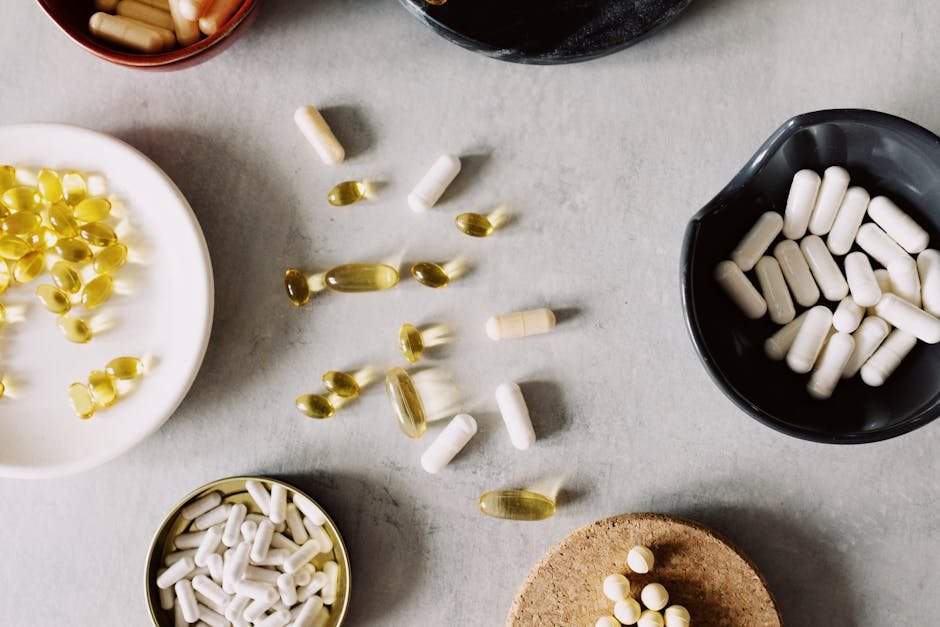
In addition to dietary changes and lifestyle adjustments, certain supplements can support gut health. Omega-3 fatty acids have anti-inflammatory properties that can benefit the gut. Probiotic supplements can also be valuable.
When choosing supplements, select high-quality products from reputable manufacturers. Look for third-party testing and certification to ensure you’re getting a product that meets your needs.
Consider postbiotics, which are metabolites produced by probiotics. These can have beneficial effects on the gut and overall health, even in the absence of live probiotics.
Monitoring Progress and Adjusting Your Approach to Gut Health
Restoring gut health is a process that requires patience and persistence. Monitoring your progress can help you identify what’s working and what areas need adjustment. Keep track of changes in your digestion, energy levels, and overall well-being.
Individuals who track their progress and make adjustments as needed are more likely to achieve their gut health goals. This approach allows you to tailor your strategy to your unique needs and circumstances.
Being flexible and willing to adjust your approach as you gather more information about what works best for you is crucial for successful gut health recovery.
Conclusion
Improving gut health naturally after antibiotics requires a comprehensive approach that includes dietary changes, lifestyle adjustments, and targeted supplements. By understanding the impact of antibiotics on your gut microbiome and taking proactive steps to restore balance, you can enhance your overall health and well-being.
As you move forward, remember that patience and persistence are key. It may take time to see results, but with the right strategies and a commitment to your health, you can achieve a thriving gut microbiome.
Start by incorporating one or two changes into your daily routine and gradually build from there.
FAQs
How long does it take to restore gut health after antibiotics?
The time it takes to restore gut health can vary depending on several factors, including the type and duration of antibiotic use and individual health. Generally, it can take several weeks to several months to see significant improvements.
Can I take probiotics during antibiotic treatment?
While some research suggests that taking probiotics during antibiotic treatment can help reduce the risk of antibiotic-associated diarrhea, it’s generally recommended to wait until after completing your antibiotic course to start probiotics.
Are there any foods I should avoid after taking antibiotics?
Yes, it’s advisable to avoid foods that can further disrupt your gut health, such as those high in processed sugars, unhealthy fats, and artificial additives. Focus on consuming a diet rich in fiber, fruits, vegetables, and whole grains.