
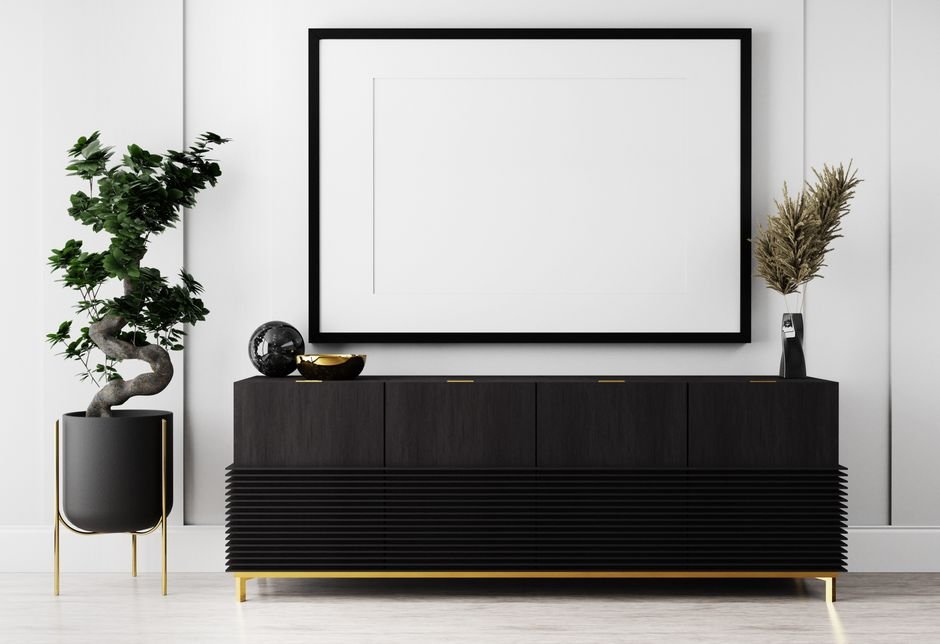
As we step into 2026, the concept of minimalist home decor continues to evolve, embracing a more refined and intentional approach to living spaces. The 2026 minimalist home decor trends are characterized by a focus on essential elements, clean lines, and a thoughtful curation of pieces that bring both functionality and serenity to the home.
This article will explore the key trends shaping minimalist home decor in 2026, from the resurgence of natural materials to the integration of smart technology in subtle, unobtrusive ways. Readers will gain insights into how to create a minimalist space that is both beautiful and functional, with practical tips and expert analysis to guide their design decisions.
The Rise of Sustainable Minimalism in 2026
In 2026, minimalist home decor is not just about aesthetics; it’s also deeply rooted in sustainability. Homeowners are increasingly opting for eco-friendly materials, second-hand furniture, and locally sourced decor items. This shift towards sustainable minimalism is driven by a growing awareness of environmental issues and a desire to reduce one’s carbon footprint.
The use of reclaimed wood, recycled glass, and natural fibers is becoming more prevalent, adding warmth and texture to minimalist spaces without compromising on the principles of simplicity and clarity. For instance, a study by the National Kitchen and Bath Association found that 75% of homeowners consider sustainability when making design decisions for their kitchens.
To incorporate sustainable minimalism into your home, consider repurposing or upcycling existing furniture pieces, or sourcing new items from companies that prioritize eco-friendly practices. This not only reduces waste but also adds a unique, personal touch to your space. For example, turning an old door into a coffee table or using reclaimed wood for shelving can add character to your home while reducing environmental impact.
Monochromatic Color Schemes with a Twist
Monochromatic color schemes remain a staple of minimalist design, providing a cohesive and calming visual experience. However, in 2026, we’re seeing a twist on this classic approach, with homeowners incorporating subtle variations in texture and tone to add depth and interest to their monochromatic palettes.

For example, a predominantly white color scheme might be enhanced with different textures such as matte and glossy finishes, or subtle variations in shade from pure white to soft cream. This nuanced approach to monochromatic design prevents the space from feeling flat or monotonous. It’s also worth considering the psychological effects of different shades; for instance, softer tones can create a more relaxing atmosphere.
To implement a monochromatic color scheme with a twist, start by selecting a core color, then experiment with different textures and subtle shade variations to create visual interest. Consider the natural light in your space and how it will affect the color throughout the day. You can also use online color palette generators or consult with a designer to find the perfect balance for your space.
Smart Technology Integration
The integration of smart technology is becoming increasingly seamless in minimalist homes, with devices and systems designed to be both functional and unobtrusive. In 2026, we’re seeing a focus on smart home features that enhance the living experience without detracting from the clean, uncluttered aesthetic of minimalist design.
- Voice-Controlled Lighting: Systems that adjust lighting levels based on the time of day or ambient light conditions, enhancing both energy efficiency and ambiance.
- Smart Thermostats: Devices that learn your temperature preferences and adjust settings accordingly, optimizing comfort and energy use.
- Hidden Speakers: Audio systems that are cleverly concealed within the architecture of the home, providing high-quality sound without visible speakers.
- Automated Window Treatments: Motorized blinds or curtains that can be programmed to open and close at specific times, or controlled remotely for convenience.
- Smart Storage Solutions: Furniture pieces with built-in storage that can be controlled or monitored via smartphone apps, helping maintain the clutter-free ethos of minimalist living.
When integrating smart technology, it’s essential to consider the overall aesthetic you want to achieve. Choose devices and systems that blend seamlessly into your space, and prioritize those that offer the most significant benefits in terms of convenience and energy efficiency.
Minimalist Decor: Less is More
In a minimalist home, decor is carefully curated to enhance the space without cluttering it. In 2026, we’re seeing a preference for statement pieces that are both beautiful and meaningful, such as a striking piece of artwork or a unique, handcrafted decorative item.
| Decor Item | Characteristics | Benefits |
|---|---|---|
| Artwork | Unique, handcrafted, or original pieces | Adds personality, creates focal point |
| Sculptural Objects | Simple forms, natural materials | Enhances texture, adds visual interest |
| Plants | Low-maintenance, air-purifying | Brings life, improves indoor air quality |
| Textiles | Natural fibers, simple patterns | Adds warmth, enhances comfort |
| Lighting Fixtures | Simple designs, high-quality materials | Provides ambiance, enhances functionality |
When selecting decor items, consider their emotional resonance and the story they tell, as well as their aesthetic appeal. A well-chosen piece can become a conversation starter and add depth to your space. For example, a handmade vase or a piece of original art can add a personal touch and create a sense of connection to the space.
The Importance of Negative Space
Negative space, or the empty space around and between objects, is a critical element of minimalist design. In 2026, we’re seeing a continued emphasis on the importance of negative space in creating a sense of calm and visual clarity in the home.
A study by the University of California, Los Angeles found that cluttered environments can lead to increased stress levels and decreased focus. By contrast, spaces with ample negative space promote relaxation and mental clarity. This is because negative space allows the eye to rest and reduces visual noise.
To incorporate more negative space into your home, start by decluttering and removing unnecessary items. Consider the 80/20 rule: 80% of the time, you likely only use 20% of your belongings. Be ruthless in editing your possessions to create a more streamlined, peaceful environment. You can also use furniture arrangement to create negative space, for example, by pulling furniture away from walls or using minimalist furniture designs.
Conclusion
The 2026 minimalist home decor trends offer a refreshing perspective on simplicity and elegance, emphasizing sustainability, smart technology, and thoughtful curation. By embracing these trends, homeowners can create spaces that are not only beautiful but also functional and meaningful.
As you consider updating your home decor, remember that minimalism is not just about removing clutter; it’s about creating an environment that reflects your values and enhances your well-being. Start by making small changes, such as incorporating more natural materials or editing your decor items, and watch how these shifts can transform your living space.
FAQs
What are the key elements of minimalist home decor in 2026?
The key elements include a focus on sustainability, monochromatic color schemes with subtle texture variations, smart technology integration, carefully curated decor, and an emphasis on negative space. These elements work together to create a harmonious and functional living environment.
How can I incorporate smart technology into my minimalist home without cluttering it?
Opt for devices and systems that are designed to be unobtrusive, such as voice-controlled lighting or hidden speakers. Choose smart storage solutions that help maintain a clutter-free environment. It’s also essential to prioritize the devices and systems that offer the most significant benefits in terms of convenience and energy efficiency.
What are some eco-friendly materials I can use in my minimalist home decor?
Consider using reclaimed wood, recycled glass, and natural fibers. These materials not only reduce environmental impact but also add warmth and texture to your space. You can also explore other eco-friendly options, such as bamboo or sustainably sourced materials.