
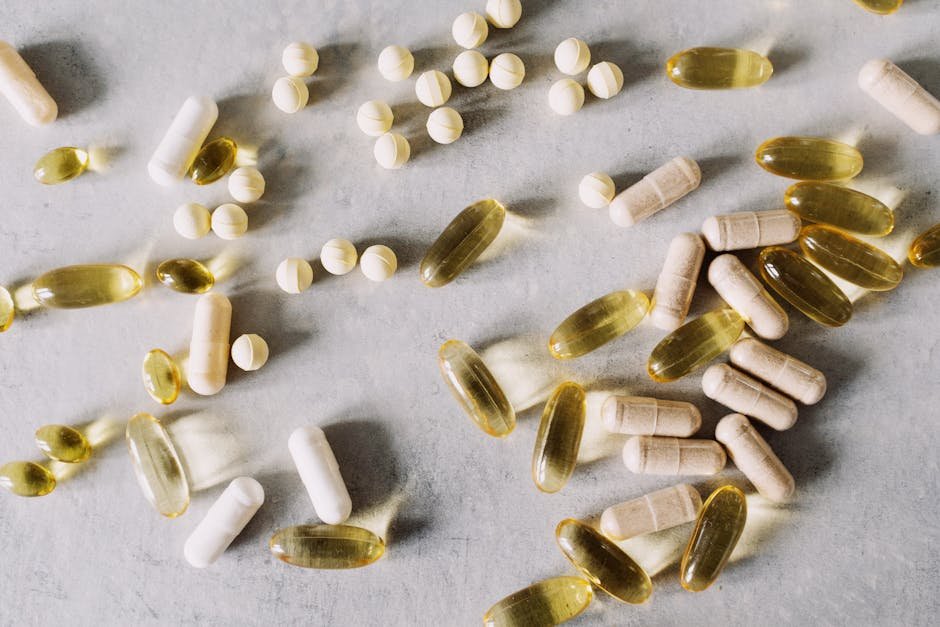
Antibiotics disrupt the balance of gut microbiota, leading to issues like diarrhea and bloating. Probiotics, live microorganisms that confer health benefits, have become a popular choice for restoring gut health after antibiotic treatment. In 2026, selecting the right probiotic supplement is crucial for overall health.
This article guides you through the best probiotics to take after antibiotics, backed by scientific research and expert insights. We’ll explore effective strains, product comparisons, and practical considerations to help you make an informed decision.
Understanding Probiotics and Their Role Post-Antibiotics
Probiotics work by colonizing the gut with beneficial bacteria, improving the gut microbiota composition. After antibiotic treatment, the gut microbiome is significantly depleted, making probiotic supplementation crucial for recovery. Research shows that certain probiotic strains can reduce the risk of antibiotic-associated diarrhea.
The effectiveness of probiotics depends on several factors, including strain, dosage, and treatment duration. Some strains are more effective than others for specific health benefits. For instance, Lactobacillus rhamnosus GG and Saccharomyces boulardii are effective in preventing antibiotic-associated diarrhea.
When choosing a probiotic, look for products tested in clinical trials and demonstrated efficacy for your specific needs. Third-party testing and certification provide additional assurance of product quality. The probiotic industry is largely unregulated, so it’s crucial to select products from reputable manufacturers.
Top Probiotic Strains for Post-Antibiotic Recovery
Certain probiotic strains are beneficial for gut health recovery after antibiotics. These include Lactobacillus and Bifidobacterium species, commonly found in the human gut. They aid in restoring the gut microbiota and promoting overall health.

Lactobacillus acidophilus and Bifidobacterium lactis are two strains extensively studied for their health benefits. They improve digestion, boost the immune system, and produce vitamins. These strains can be particularly beneficial for individuals recovering from antibiotic treatment.
The optimal strain and dosage vary depending on the individual and the specific antibiotic used. Consulting with a healthcare professional helps determine the best course of probiotic supplementation. They can recommend personalized probiotic regimens based on individual health needs.
Key Considerations When Choosing a Probiotic Supplement
When selecting a probiotic supplement, several factors are crucial. These include the CFU count, strain diversity, survivability, third-party testing, and prebiotic inclusion. A product with a sufficient CFU count, multiple strains, and third-party testing can provide broader benefits and assurance of quality.
- CFU Count: Look for products with a guaranteed CFU count through the expiration date. A minimum of 1 billion CFU is recommended.
- Strain Diversity: A product with multiple strains may offer broader benefits.
- Survivability: Choose products with strains that survive passage through the stomach.
- Third-Party Testing: Opt for products tested by third-party organizations for potency and purity.
- Prebiotic Inclusion: Some products include prebiotics to enhance probiotic effectiveness.
By considering these factors, you can make an informed decision when choosing a probiotic supplement. This helps ensure that you select a high-quality product that meets your specific needs.
Comparing Top Probiotic Products for Post-Antibiotic Use
| Product | CFU Count | Strains | Third-Party Tested | Price (Monthly) |
|---|---|---|---|---|
| Renew Life Ultimate Probiotics | 80 Billion | 10 Strains | Yes | $25 |
| Garden of Life RAW Probiotics | 85 Billion | 85 Strains | Yes | $30 |
| Dr. Ohhira’s Probiotics | 12 Billion | 12 Strains | Yes | $20 |
| Align Probiotic | 2.5 Billion | 1 Strain (Bifidobacterium lactis) | Yes | $15 |
| Culturelle Probiotics | 10 Billion | 1 Strain (Lactobacillus rhamnosus GG) | Yes | $18 |
The table compares top probiotic products based on CFU count, strain diversity, third-party testing, and price. This comparison helps you evaluate the best options for post-antibiotic recovery.
The Impact of Probiotics on Gut Health: Evidence and Examples
A study published in the Journal of Clinical Gastroenterology found that probiotics significantly reduced the incidence of antibiotic-associated diarrhea. The study involved over 400 patients and demonstrated the efficacy of probiotic supplementation.
Taking a probiotic supplement after antibiotics can help mitigate negative effects on the gut microbiota. For example, a patient taking a broad-spectrum antibiotic for a respiratory infection may benefit from a probiotic containing Lactobacillus rhamnosus GG.
When selecting a probiotic, consider the specific health benefits you’re looking to achieve. For digestive health, a product with multiple strains may be beneficial. For immune system support, a probiotic with Bifidobacterium lactis could be a good choice.
Potential Side Effects and Precautions
Probiotics are generally considered safe but can cause side effects in some individuals. Common side effects include bloating, gas, and mild stomach discomfort. These symptoms are usually temporary and resolve on their own.
Consult with a healthcare professional before starting probiotic supplementation, especially if you have a serious health condition or are taking other medications. They can help you choose the right product and dosage for your specific needs.
In some cases, probiotics may not be suitable, such as for individuals with severe immunodeficiency or those who are critically ill. Always follow the recommended dosage and be aware of potential interactions with other medications.
Conclusion
Choosing the best probiotic to take after antibiotics involves considering several factors, including strain, CFU count, and product quality. By selecting a high-quality probiotic supplement and consulting with a healthcare professional, you can help restore your gut health.
As research continues to uncover the complex relationships between the gut microbiome and overall health, the importance of probiotic supplementation is likely to grow. Stay informed about the latest findings and product developments to make the best choices for your health.
FAQs
What are the best probiotic strains to take after antibiotics?
The most effective probiotic strains after antibiotics include Lactobacillus rhamnosus GG, Saccharomyces boulardii, and various Bifidobacterium species. These strains aid in the recovery of the gut microbiota and reduce the risk of antibiotic-associated diarrhea.
How long should I take probiotics after finishing antibiotics?
Continue taking probiotics for at least a few weeks after finishing antibiotics to allow the gut microbiota to fully recover. The exact duration may vary depending on the individual and the specific antibiotic used.
Can I get probiotics from food instead of supplements?
Yes, you can get probiotics from certain foods, such as yogurt, kefir, sauerkraut, and kimchi. However, the strain and dosage may not be as controlled or potent as in supplements. For targeted benefits after antibiotics, a supplement may be more effective.