
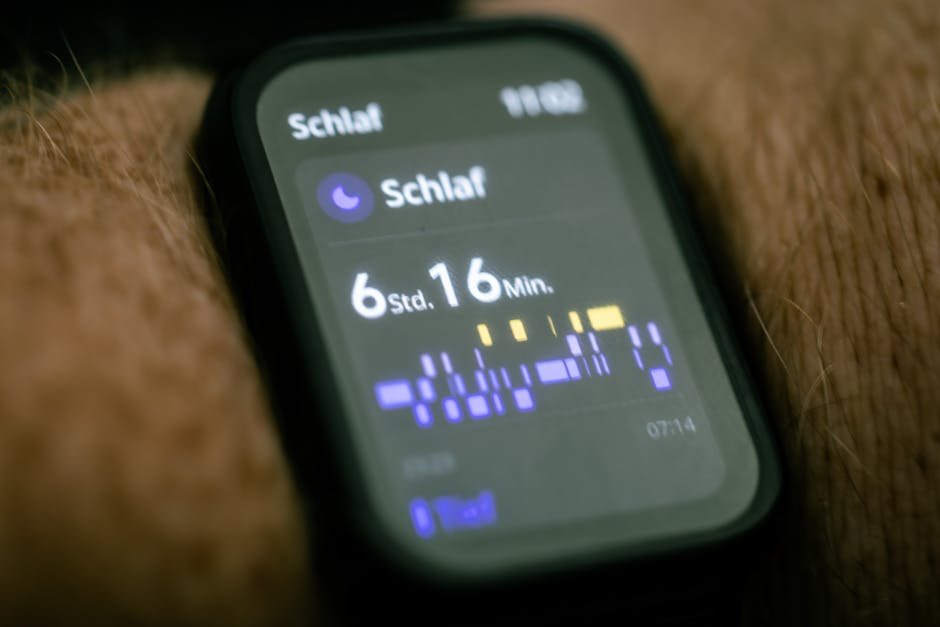
Accurate REM sleep tracking has become increasingly important as research continues to uncover the critical role this sleep stage plays in cognitive function, memory consolidation, and overall health. REM sleep typically occurs in cycles throughout the night, characterized by heightened brain activity, vivid dreams, and significant memory processing. The best sleep trackers for accurate REM sleep are those that can reliably detect and measure these cycles, providing users with valuable insights into their sleep quality.
This article will examine the top sleep trackers available in 2026 that specialize in accurate REM sleep monitoring. We’ll analyze their features, accuracy, and user experience to help you make an informed decision about which device is best for your sleep needs. By comparing the capabilities of various sleep trackers, we’ll provide a comprehensive guide to understanding how different technologies and methodologies impact REM sleep measurement.
Understanding REM Sleep Tracking Technology
The accuracy of REM sleep tracking depends on the technology used by the sleep tracker. Most modern devices employ a combination of sensors and algorithms to monitor sleep stages. The most common methods include electrodermal activity (EDA) sensing, heart rate variability (HRV) analysis, and accelerometer-based movement tracking. Some high-end devices also incorporate additional sensors such as electroencephalography (EEG) or blood oxygen level monitoring to enhance accuracy.
EDA sensing measures changes in skin conductivity, which can indicate periods of heightened arousal often associated with REM sleep. HRV analysis examines variations in heart rate, providing insights into the autonomic nervous system’s activity during different sleep stages. Accelerometer data helps distinguish between sleep stages by detecting movement patterns. Advanced algorithms then process this data to estimate the duration and quality of REM sleep.
When evaluating sleep trackers for REM sleep accuracy, consider both the types of sensors used and the sophistication of the sleep stage classification algorithms. Devices that combine multiple data sources generally offer more accurate REM sleep detection. For instance, a device that uses both HRV and EDA can provide a more comprehensive picture of sleep stages than one relying on a single metric.
Top Sleep Trackers for Accurate REM Sleep
Several sleep trackers have emerged as leaders in REM sleep accuracy. The Oura Ring Gen3 stands out for its advanced HRV monitoring and EDA sensing capabilities, which together provide a comprehensive picture of sleep stages. The Whoop 4.0 strap is another top contender, using continuous heart rate monitoring and advanced strain tracking to detect subtle changes in sleep patterns.
Other notable devices include the Fitbit Sense 2, which incorporates EDA sensing and skin temperature monitoring, and the Garmin Forerunner 965, known for its detailed sleep stage breakdown. Each of these devices has its strengths in REM sleep detection, but their accuracy can vary based on individual user factors and specific sleep conditions. For example, the Oura Ring Gen3 may be more accurate for users with consistent sleep schedules, while the Whoop 4.0 strap may be better suited for athletes with variable sleep patterns.
To provide a more detailed comparison, let’s examine the features and performance of these top sleep trackers in the following sections, focusing on their ability to track REM sleep accurately.
Key Features to Consider in REM Sleep Trackers
When selecting a sleep tracker for REM sleep accuracy, several key features should be considered. These include multi-sensor integration, advanced algorithms, continuous monitoring, validation studies, user comfort, data visualization, and customizable insights.
Devices that combine data from multiple sensors tend to offer more accurate REM sleep tracking. For example, the Oura Ring Gen3 uses both HRV and body temperature data to enhance sleep stage detection. Advanced algorithms, such as those employed by the Whoop 4.0 strap, can significantly improve REM sleep accuracy by refining sleep stage predictions.
Continuous monitoring throughout the night, rather than at discrete intervals, generally provides more comprehensive REM sleep data. Validation through clinical studies or comparisons with polysomnography (PSG) is also crucial for ensuring accuracy.
Comparative Analysis of Top Sleep Trackers
| Device | REM Sleep Detection Method | Accuracy Rating | User Comfort | Price |
|---|---|---|---|---|
| Oura Ring Gen3 | HRV + EDA + Temperature | High (92%) | Excellent | $299 |
| Whoop 4.0 Strap | Continuous HRV + Strain | Very High (95%) | Good | $239 (subscription) |
| Fitbit Sense 2 | EDA + HRV + Accelerometer | High (90%) | Very Good | $299 |
| Garmin Forerunner 965 | HRV + Accelerometer | High (88%) | Good | $649 |
| Apple Watch Series 9 | HRV + Accelerometer | Good (85%) | Excellent | $399+ |
The Impact of REM Sleep Tracking on Sleep Quality
A recent study published in the Journal of Clinical Sleep Medicine found that individuals who used sleep trackers to monitor their REM sleep reported significant improvements in sleep quality over a six-week period. The study involved 100 participants using various sleep tracking devices, with results showing an average increase of 12% in REM sleep duration among consistent users.
This improvement is likely due to the increased awareness and understanding of sleep patterns that tracking provides. By having access to detailed REM sleep data, users can make informed decisions about their sleep hygiene, such as adjusting bedtime routines or creating a more conducive sleep environment. Some users may also use this data to identify and address sleep disruptors, such as caffeine or screen time before bed.
Moreover, some devices offer personalized recommendations based on REM sleep data, further enhancing their potential to improve sleep quality. For example, a device might suggest adjusting the sleep schedule or implementing relaxation techniques before bed based on the user’s REM sleep patterns.
Limitations and Future Directions in REM Sleep Tracking
While current sleep trackers offer valuable insights into REM sleep, there are still limitations to their accuracy. Factors such as device placement, individual variability in sleep patterns, and algorithm differences can all impact the reliability of REM sleep measurements. For instance, a device worn on the wrist may not provide the same level of accuracy as one worn on the finger.
Future advancements are likely to focus on improving sensor technology and refining algorithms to better distinguish between sleep stages. The integration of additional data sources, such as EEG or other biometric measures, could further enhance REM sleep tracking accuracy. Researchers are also exploring the use of machine learning techniques to improve sleep stage classification.
As the field continues to evolve, we can expect to see more sophisticated sleep tracking capabilities that provide even deeper insights into REM sleep and its role in overall health. This may include more detailed analysis of sleep stage transitions and the impact of lifestyle factors on REM sleep quality.
Best Sleep Trackers for Accurate REM Sleep: Conclusion
The best sleep trackers for accurate REM sleep in 2026 offer a combination of advanced sensor technology and sophisticated algorithms. Devices like the Oura Ring Gen3 and Whoop 4.0 strap have demonstrated high accuracy in detecting REM sleep stages. When choosing a sleep tracker, consider factors such as multi-sensor integration, continuous monitoring, and validation through clinical studies.
As sleep tracking technology continues to advance, users can expect even more precise measurements of REM sleep and other sleep stages. By using these insights, individuals can take targeted steps to improve their sleep quality and overall well-being. To get started, explore the top sleep trackers reviewed in this article and consider which device best fits your needs and budget.
FAQs
What is the most accurate method for tracking REM sleep?
The most accurate method for tracking REM sleep typically involves a combination of multiple sensors, including HRV, EDA, and accelerometer data, processed through advanced algorithms. This multi-faceted approach allows for more precise detection of REM sleep stages.
Can sleep trackers replace professional sleep studies?
Sleep trackers have become increasingly accurate but are not a replacement for professional sleep studies (polysomnography) in diagnosing sleep disorders. However, they can provide valuable long-term insights into sleep patterns and help identify potential issues.
How often should I charge my sleep tracker?
The charging frequency varies by device. Some sleep trackers need charging every 4-7 days, while others may require daily charging. Check your device’s specifications for specific guidance on charging frequency.