
Introduction
The EU Digital Identity Wallet is a key component of the European Union’s digital transformation strategy, aiming to provide citizens and businesses with a secure and standardized way to manage digital identities. As we move into 2026, understanding the EU Digital Identity Wallet Requirements 2026 is crucial for businesses that need to comply with the new regulations and use the opportunities they present.
The introduction of the EU Digital Identity Wallet is part of a broader effort to create a more integrated and secure digital environment within the EU. As such, it is essential for businesses to understand the requirements and implications of this new technology.
Technical Requirements for EU Digital Identity Wallet
The EU Digital Identity Wallet will be based on open standards and will use Decentralized Identifiers (DIDs) and Verifiable Credentials (VCs) to ensure interoperability and security. The wallet will need to be compatible with various devices and platforms, including mobile devices and desktop computers. The technical requirements will be defined by the European Commission in consultation with industry stakeholders and will be subject to regular updates and revisions.
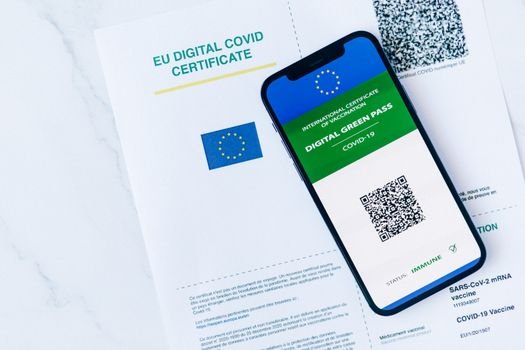
The use of open standards will enable businesses to develop applications and services that are compatible with the EU Digital Identity Wallet, without being locked into proprietary solutions. The emphasis on DIDs and VCs will provide a high level of security and trust in the identity verification process. Businesses will need to ensure that their systems and applications are compatible with these standards to take full advantage of the EU Digital Identity Wallet.
To achieve this, businesses will need to invest in the development of their technical infrastructure and ensure that their systems are aligned with the EU’s digital identity framework. This may involve updating existing systems, developing new applications, and training personnel to work with the new technology. For example, a bank may need to update its online authentication system to be compatible with the EU Digital Identity Wallet, allowing customers to use their digital identity to access banking services.
Security Measures for EU Digital Identity Wallet
Security is a top priority for the EU Digital Identity Wallet, given the sensitive nature of the information it will handle. The wallet will need to implement robust security measures to protect user data and prevent unauthorized access. This will include the use of advanced encryption techniques, secure authentication mechanisms, and regular security audits.
The European Commission has emphasized the importance of security in the development of the EU Digital Identity Wallet, and has established a number of guidelines and requirements to ensure that the wallet is secure and trustworthy. Businesses will need to comply with these requirements and implement additional security measures as needed to protect their customers’ data.
One of the key security measures will be the implementation of a Trusted Execution Environment (TEE), which will provide a secure environment for the storage and processing of sensitive data. Businesses will need to ensure that their systems and applications are designed to work with TEEs and other security measures to ensure the integrity of the EU Digital Identity Wallet.
Compliance Obligations for Businesses
Businesses that wish to use the EU Digital Identity Wallet will need to comply with a number of regulations and guidelines. This will include implementing the necessary technical and security measures, as well as ensuring that their systems and applications are compatible with the EU’s digital identity framework.
Businesses will need to implement the required technical standards, including DIDs and VCs, and ensure compatibility with various devices and platforms. They will also need to conduct regular security audits and risk assessments, provide clear and transparent information to users about the use of their data, and comply with relevant data protection regulations, including the GDPR.
To ensure compliance, businesses should establish procedures for handling user complaints and disputes, and ensure that their systems and applications are designed to work with TEEs and other security measures. By doing so, businesses can reduce the risk of non-compliance and ensure that they are well-positioned to take advantage of the opportunities presented by the EU Digital Identity Wallet.
Benefits of EU Digital Identity Wallet for Businesses
The EU Digital Identity Wallet offers a number of benefits for businesses, including improved security, increased efficiency, and enhanced customer experience. By providing a secure and standardized way to manage digital identities, the wallet can help businesses to reduce the risk of identity fraud and improve the accuracy of identity verification.
| Benefit | Description | Impact |
|---|---|---|
| Improved Security | Robust security measures to protect user data | Reduced risk of identity fraud |
| Increased Efficiency | Streamlined identity verification processes | Faster and more accurate identity verification |
| Enhanced Customer Experience | Simplified and secure identity management | Improved customer trust and satisfaction |
| Compliance with Regulations | Alignment with EU digital identity framework | Reduced risk of non-compliance |
| Innovation Opportunities | New services and applications enabled by EU Digital Identity Wallet | Increased competitiveness and revenue growth |
The EU Digital Identity Wallet can also enable businesses to develop new services and applications, such as mobile payment systems and digital identity verification services. By using the EU Digital Identity Wallet, businesses can improve customer trust and satisfaction, and reduce the risk of identity fraud.
Challenges and Limitations of EU Digital Identity Wallet
While the EU Digital Identity Wallet offers a number of benefits, there are also challenges and limitations associated with its adoption. One of the key challenges is the need for businesses to invest in the development of their technical infrastructure and ensure that their systems are aligned with the EU’s digital identity framework.
According to a recent study by the European Commission, the adoption of the EU Digital Identity Wallet is expected to require significant investment in technical infrastructure and training. The study found that 75% of businesses surveyed expected to incur significant costs in implementing the necessary technical and security measures.
Businesses will need to carefully assess the costs and benefits of adopting the EU Digital Identity Wallet and develop strategies to address the challenges and limitations associated with its adoption. This may involve investing in employee training, updating existing systems, and developing new applications and services.
Conclusion
The EU Digital Identity Wallet is a key component of the European Union’s digital transformation strategy, and businesses that wish to comply with the new regulations and use the opportunities they present will need to understand the requirements and implications of this new technology. By investing in the necessary technical infrastructure and ensuring that their systems are aligned with the EU’s digital identity framework, businesses can take advantage of the benefits offered by the EU Digital Identity Wallet.
Businesses should start preparing now by assessing their current infrastructure and developing a plan to implement the necessary changes. This will enable them to stay ahead of the competition and take full advantage of the opportunities presented by the EU Digital Identity Wallet.
FAQs
What is the EU Digital Identity Wallet?
The EU Digital Identity Wallet is a secure and standardized way to manage digital identities, enabling users to store and manage their digital identity attributes and use them to authenticate and authorize transactions across different services and platforms.
What are the technical requirements for the EU Digital Identity Wallet?
The EU Digital Identity Wallet will be based on open standards, including DIDs and VCs, and will require compatibility with various devices and platforms. Businesses will need to ensure that their systems and applications are compatible with these standards.
What are the security measures for the EU Digital Identity Wallet?
The EU Digital Identity Wallet will implement robust security measures, including advanced encryption techniques, secure authentication mechanisms, and regular security audits. Businesses will need to comply with these requirements and implement additional security measures as needed.