

Introduction
The EU Digital Identity Wallet is a proposed regulation aimed at creating a standardized digital identity framework across the European Union. As of 2026, this regulation is set to transform how individuals and businesses interact with digital services, enhancing security, privacy, and convenience.
As the regulation comes into effect, businesses must understand its implications to remain compliant and capitalize on new opportunities. This article will explore the key aspects of the EU Digital Identity Wallet Regulations 2026, including its benefits, challenges, and the steps businesses need to take to adapt.
Key Components of the EU Digital Identity Wallet Regulations 2026
The EU Digital Identity Wallet is designed to provide a secure and user-friendly way for citizens to manage their digital identity. The wallet will contain verified identity information, such as name, date of birth, and nationality, which can be used to access various online services. The regulation mandates that the wallet be available to all EU citizens, ensuring inclusivity and accessibility.
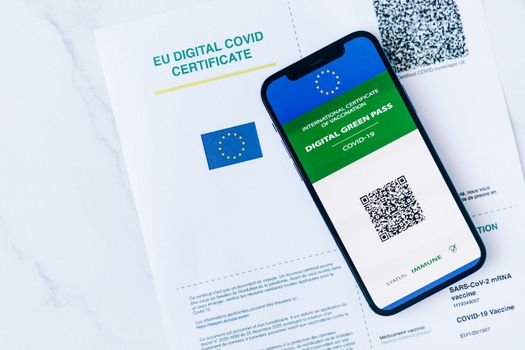
One of the critical features of the Digital Identity Wallet is its interoperability. The wallet is designed to work seamlessly across different EU countries, allowing citizens to use their digital identity to access services in any member state. This interoperability is expected to facilitate cross-border transactions and improve the overall digital experience for EU citizens.
To ensure security, the regulation includes stringent data protection measures. The Digital Identity Wallet will be built with advanced security features, such as encryption and secure authentication mechanisms, to protect user data. Businesses will need to comply with these security standards when integrating with the Digital Identity Wallet.
Benefits for Businesses and Citizens
The EU Digital Identity Wallet Regulations 2026 offer several benefits for both businesses and citizens. For businesses, the regulation provides a standardized framework for digital identity verification, reducing the complexity and costs associated with Know Your Customer (KYC) processes. This standardization is expected to streamline onboarding processes and improve customer experience.
For citizens, the Digital Identity Wallet offers enhanced convenience and security. By having a single, verified digital identity, citizens can access a wide range of services without the need to repeatedly verify their identity. This convenience is particularly beneficial for cross-border transactions, where digital identity verification can often be a significant barrier.
Additionally, the regulation is expected to drive innovation in the digital identity space. By creating a standardized framework, the EU is encouraging the development of new services and applications that can use the Digital Identity Wallet. This innovation is likely to create new opportunities for businesses and improve the overall digital ecosystem.
Challenges and Implementation Considerations
Implementing the Digital Identity Wallet will require significant technical investment. Businesses will need to ensure their systems are compatible with the new framework, which may involve upgrading existing infrastructure. For instance, companies may need to adopt new authentication protocols and data storage solutions to meet the regulation’s security requirements.
As with any digital identity system, there is a risk of security breaches. Businesses must implement robust security measures to protect user data and maintain trust in the system. This includes ensuring compliance with the regulation’s data protection measures and staying up-to-date with the latest security best practices.
Companies will need to comply with the new regulation, which may involve changes to their existing processes and systems. Non-compliance could result in significant penalties. To mitigate this risk, businesses should engage with regulatory bodies and industry groups to stay informed about the latest developments and best practices.
Comparing Digital Identity Solutions
The EU Digital Identity Wallet offers several advantages over existing national solutions and private digital wallets. Its EU-wide standardization and interoperability features make it an attractive option for businesses and citizens alike.
| Feature | EU Digital Identity Wallet | Existing National Solutions | Private Digital Wallets |
|---|---|---|---|
| Standardization | EU-wide standardization | Varies by country | Proprietary standards |
| Interoperability | Designed for cross-border use | Limited to national use | Varies by provider |
| Security | Advanced security features mandated | Varies by implementation | Depends on provider’s security |
| User Access | Available to all EU citizens | Limited to citizens of respective countries | Open to users globally, but varies by provider |
| Regulatory Compliance | Compliant with EU regulations | Varies by country and implementation | Must comply with local regulations |
The table highlights the key differences between the EU Digital Identity Wallet and other digital identity solutions. Businesses can use this comparison to inform their decisions about how to adapt to the new regulation.
Practical Implications for Businesses
According to a recent study by the European Commission, the adoption of the Digital Identity Wallet is expected to significantly reduce the time and cost associated with digital identity verification processes. Businesses can use this new framework to improve their customer onboarding processes and enhance their overall digital experience.
In practice, this means that companies will need to update their KYC processes to comply with the new regulation. This may involve integrating with the Digital Identity Wallet and ensuring that their systems are compatible with the new framework. Businesses that proactively adapt to these changes are likely to gain a competitive advantage in the market.
For example, a financial services company can use the Digital Identity Wallet to streamline its customer onboarding process, reducing the time it takes to verify customer identities. This not only improves the customer experience but also reduces the risk of non-compliance with regulatory requirements.
Preparing for the Future
As the EU Digital Identity Wallet Regulations 2026 come into effect, businesses must prepare for the changes ahead. This involves understanding the regulation’s requirements, assessing the impact on their operations, and making necessary adjustments to their systems and processes.
Companies that take a proactive approach to implementing the Digital Identity Wallet are likely to benefit from improved efficiency, enhanced customer experience, and increased trust in their digital services. By staying ahead of the curve, businesses can capitalize on the opportunities presented by the new regulation and maintain their competitive edge in the market.
To prepare, businesses should start by assessing their current digital identity processes and identifying areas where they can improve. They should also engage with regulatory bodies and industry groups to stay informed about the latest developments and best practices.
Conclusion
The EU Digital Identity Wallet Regulations 2026 represent a significant step forward in the EU’s digital transformation. By providing a standardized framework for digital identity verification, the regulation is expected to improve security, convenience, and efficiency for both businesses and citizens.
As businesses prepare for the changes ahead, they must understand the regulation’s implications and take proactive steps to adapt. By doing so, companies can not only ensure compliance but also capitalize on the new opportunities presented by the Digital Identity Wallet.
Businesses that are prepared will be well-positioned to thrive in the evolving digital landscape. To stay ahead, businesses should start planning now and explore how they can use the Digital Identity Wallet to improve their operations and customer experience.
FAQs
What is the EU Digital Identity Wallet?
The EU Digital Identity Wallet is a proposed regulation aimed at creating a standardized digital identity framework across the EU, allowing citizens to securely store and manage their digital identity. It is designed to provide a secure and user-friendly way for citizens to access various online services.
When will the EU Digital Identity Wallet Regulations come into effect?
The EU Digital Identity Wallet Regulations are set to come into effect in 2026, with the exact implementation timeline still being finalized. Businesses should start preparing now to ensure compliance and capitalize on the new opportunities presented by the regulation.
How will the Digital Identity Wallet benefit businesses?
The Digital Identity Wallet will provide businesses with a standardized framework for digital identity verification, reducing the complexity and costs associated with KYC processes and improving customer onboarding. This is expected to drive innovation in the digital identity space and create new opportunities for businesses.