
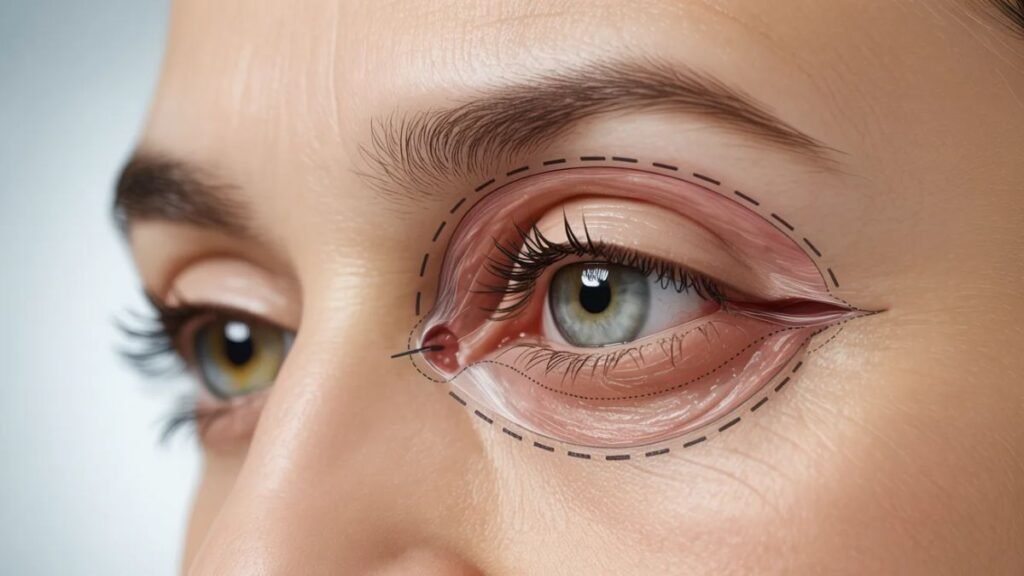
The eyes are often the first feature people notice when they meet someone. However, aging, genetics, and lifestyle factors can cause the eyelids to droop, develop excess skin, or appear puffy. These changes may make a person look tired, older, or even affect vision in some cases. Eyelid surgery, also known as blepharoplasty, has become one of the most popular cosmetic and functional procedures worldwide because it helps restore a refreshed and youthful appearance.
Eyelid surgery is designed to remove excess skin, fat, and muscle from the upper or lower eyelids. While many people choose the procedure for cosmetic reasons, others undergo surgery to improve vision obstructed by sagging eyelids. Modern surgical techniques have made the procedure safer and more effective than ever, providing natural-looking results with minimal downtime. This guide explores everything you need to know about eyelid surgery, including benefits, procedures, recovery, risks, and expected outcomes.
What Is Eyelid Surgery?
Eyelid surgery is a specialized procedure that reshapes the upper eyelids, lower eyelids, or both. The goal is to improve the appearance of the eyes while maintaining their natural shape and function. During the procedure, a surgeon carefully removes or repositions excess skin, muscle, and fat deposits to create a smoother and more youthful look.
Many patients seek eyelid surgery because drooping eyelids can create a constantly tired appearance. Others may experience puffiness under the eyes due to fat accumulation. In severe cases, sagging upper eyelids can interfere with peripheral vision. Blepharoplasty addresses these concerns by tightening the surrounding tissues and restoring a more alert appearance.
The procedure can be performed alone or combined with other facial rejuvenation treatments such as brow lifts, facelift procedures, or skin resurfacing treatments. This flexibility allows surgeons to customize treatment plans according to each patient’s goals.
Why People Choose Eyelid Surgery
One of the main reasons people consider eyelid surgery is the desire to achieve a younger and fresher appearance. The skin around the eyes is among the thinnest on the body, making it one of the first areas to show signs of aging. Fine lines, loose skin, and under-eye bags can develop over time, affecting overall facial harmony.
For many individuals, eyelid surgery offers a long-lasting solution that cannot be achieved through skincare products alone. Creams and serums may improve skin texture, but they cannot remove excess skin or reposition fat deposits. Surgery provides more dramatic and lasting improvements.
Beyond cosmetic benefits, some patients choose eyelid surgery for functional reasons. Heavy upper eyelids can limit vision, especially when looking upward or to the side. By removing excess tissue, the procedure can significantly improve both comfort and visual function.
Types of Eyelid Surgery
Eyelid surgery is not a one-size-fits-all procedure. Surgeons typically customize the approach based on the patient’s specific concerns and anatomy. The two primary types are upper eyelid surgery and lower eyelid surgery.
Upper eyelid surgery focuses on correcting loose skin and drooping tissue above the eyes. This procedure can restore a more open and alert appearance while improving vision in some cases. Incisions are usually hidden within the natural eyelid crease, making scars difficult to detect after healing.
Lower eyelid surgery targets puffiness, under-eye bags, and loose skin beneath the eyes. Surgeons may remove or reposition fat to create a smoother transition between the lower eyelid and the cheek area. Some patients choose a combination procedure to achieve comprehensive rejuvenation around the eyes.
Who Is a Good Candidate for Eyelid Surgery?
The ideal candidate for eyelid surgery is generally a healthy adult with realistic expectations about the results. Most candidates seek treatment because they have noticeable sagging eyelids, under-eye bags, or excess skin that affects their appearance or vision.
Candidates should have healthy facial tissues and no serious eye conditions that could interfere with healing. A consultation with a qualified surgeon is essential to determine whether the procedure is appropriate for individual circumstances. During the consultation, the surgeon evaluates medical history, eye health, and cosmetic goals.
People who understand the benefits and limitations of surgery are typically the most satisfied with their outcomes. While blepharoplasty can create a more youthful appearance, it does not completely stop the aging process or dramatically change facial features.
The Eyelid Surgery Procedure
The eyelid surgery procedure usually takes between one and three hours, depending on the complexity of the treatment. It is often performed under local anesthesia with sedation, although general anesthesia may be recommended in some cases.
For upper eyelid surgery, the surgeon creates an incision along the natural eyelid crease. Excess skin, fat, and muscle are removed or adjusted before the incision is carefully closed. This approach minimizes visible scarring and preserves the natural contour of the eyelid.
In lower eyelid surgery, incisions may be placed just below the eyelashes or inside the eyelid. The surgeon then removes or redistributes fat and tightens the surrounding tissues. Once the procedure is complete, patients are monitored before being discharged home the same day.
Benefits of Eyelid Surgery
One of the most significant benefits of eyelid surgery is the improvement in facial appearance. Patients often report looking more rested, energetic, and approachable after recovery. The eyes appear larger and more open, enhancing overall facial balance.
Another major advantage is the long-lasting nature of the results. While aging continues naturally, the improvements achieved through surgery can remain visible for many years. Many patients enjoy their results for a decade or longer.
Functional improvements can also be substantial. Individuals with vision obstruction caused by drooping upper eyelids frequently experience a wider field of vision after surgery. This can enhance daily activities such as reading, driving, and working.
Recovery After Eyelid Surgery
Recovery from eyelid surgery is generally straightforward, although patients should expect some swelling and bruising during the first week. These effects are temporary and gradually improve as healing progresses. Applying cold compresses and following postoperative instructions can help reduce discomfort.
Most patients return to normal activities within ten to fourteen days. However, strenuous exercise and heavy lifting should be avoided for several weeks to ensure proper healing. Sunglasses are often recommended to protect the eyes from sunlight and wind during recovery.
As swelling subsides, the final results become more visible. While initial improvements can be seen within a few weeks, complete healing may take several months. Patience is important because the eyelids continue to refine and settle over time.
Risks and Potential Complications
Like any surgical procedure, eyelid surgery carries some risks. Although complications are uncommon when performed by an experienced surgeon, patients should be aware of potential issues. These may include infection, bleeding, scarring, or temporary changes in sensation.
Some individuals may experience dry eyes, irritation, or difficulty closing the eyes completely during the early stages of recovery. These symptoms are usually temporary and improve with proper care. Following all postoperative instructions significantly reduces the likelihood of complications.
Choosing a qualified and experienced surgeon is one of the most effective ways to minimize risks. Thorough consultations, realistic expectations, and careful planning contribute to a safer and more successful surgical experience.
Eyelid Surgery and Facial Rejuvenation
Eyelid surgery plays a vital role in comprehensive facial rejuvenation. Because the eyes are central to facial expression, improvements in this area often have a significant impact on overall appearance. Many patients find that even subtle changes around the eyes create a noticeable enhancement.
The procedure is frequently combined with treatments such as brow lifts, laser skin resurfacing, and dermal fillers. These complementary treatments address other signs of aging and help achieve balanced results. Combining procedures can also reduce overall recovery time compared to undergoing separate treatments.
A personalized approach ensures that each patient receives results that look natural rather than overly tightened or artificial. Modern techniques emphasize preserving facial character while reducing signs of aging.
Cost Factors of Eyelid Surgery
The cost of eyelid surgery varies depending on several factors, including geographic location, surgeon experience, facility fees, and the complexity of the procedure. Upper eyelid surgery generally costs less than combined upper and lower eyelid treatments.
Patients should consider the value of expertise when selecting a surgeon. Choosing the lowest price may not always provide the best outcome. Experience, credentials, and patient satisfaction are important considerations that often justify higher fees.
Many clinics offer financing options to make treatment more accessible. During consultations, patients receive detailed cost estimates and information about payment plans. Understanding all expenses beforehand helps individuals make informed decisions.
Long-Term Results and Maintenance
The results of eyelid surgery are typically long-lasting, making it one of the most rewarding cosmetic procedures available. Patients often enjoy a refreshed appearance for many years after treatment. Maintaining a healthy lifestyle can further extend the benefits.
Protecting the skin from excessive sun exposure is essential for preserving results. Wearing sunscreen, sunglasses, and maintaining a consistent skincare routine helps reduce premature aging. Good hydration and nutrition also contribute to healthier skin.
Although no procedure can stop the natural aging process, eyelid surgery can effectively turn back the clock and create a more youthful baseline. Many patients feel more confident and satisfied with their appearance long after recovery is complete.
Conclusion
Eyelid surgery is a highly effective procedure for addressing drooping eyelids, under-eye bags, and other signs of aging around the eyes. Whether performed for cosmetic enhancement or functional improvement, blepharoplasty can provide long-lasting results that help individuals look and feel more refreshed. Modern surgical techniques offer natural outcomes with relatively short recovery times, making the procedure a popular choice among both men and women.
Choosing an experienced surgeon, maintaining realistic expectations, and following postoperative care instructions are essential for achieving the best results. With proper planning and care, eyelid surgery can significantly enhance both appearance and confidence, creating a brighter and more youthful look for years to come.
FAQs
What is eyelid surgery?
Eyelid surgery, or blepharoplasty, is a procedure that removes excess skin, fat, and tissue from the eyelids.
What is the recovery time for eyelid surgery?
Most people recover within 10 to 14 days, although complete healing may take several months.
What is the ideal age for eyelid surgery?
There is no specific age, but many patients undergo the procedure after signs of aging become noticeable.
What is the difference between upper and lower eyelid surgery?
Upper eyelid surgery corrects sagging skin above the eyes, while lower eyelid surgery targets under-eye bags and puffiness.
What is the longevity of eyelid surgery results?
Results often last for many years, with many patients enjoying benefits for a decade or longer.