
Introduction
The debate between smartwatch heart rate accuracy and chest strap heart rate monitors has been ongoing among fitness enthusiasts and athletes. With advancements in wearable technology, understanding the differences between these two types of heart rate monitoring devices is crucial. Smartwatches have become popular for their convenience and multifunctionality, while chest straps are considered the gold standard for heart rate accuracy.
This article provides an in-depth analysis of the technological differences between smartwatches and chest straps, their respective accuracy levels, and the practical implications for various user groups, backed by recent studies and data.
How Heart Rate Monitoring Works
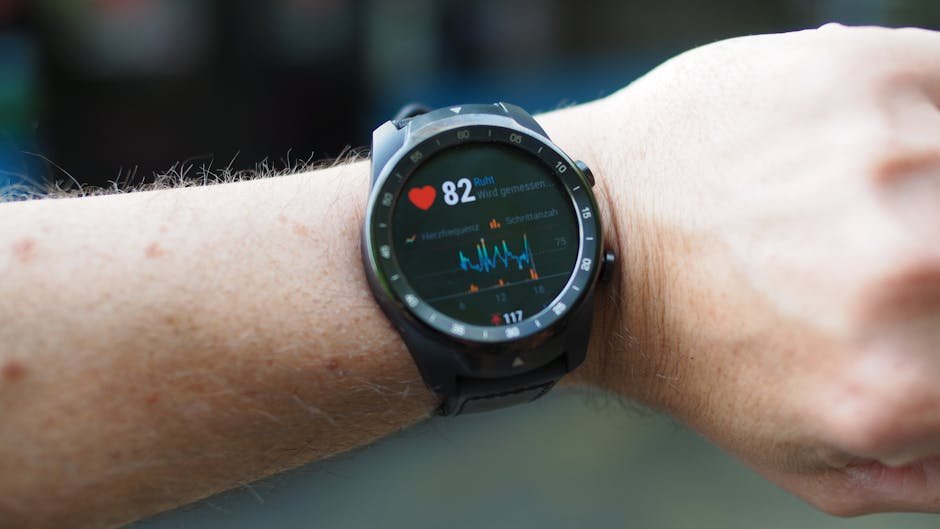
Heart rate monitoring technology has evolved significantly. Smartwatches use photoplethysmography (PPG), a method that involves shining light through the skin to detect changes in blood flow. Modern smartwatches employ advanced algorithms and additional sensors to enhance accuracy.
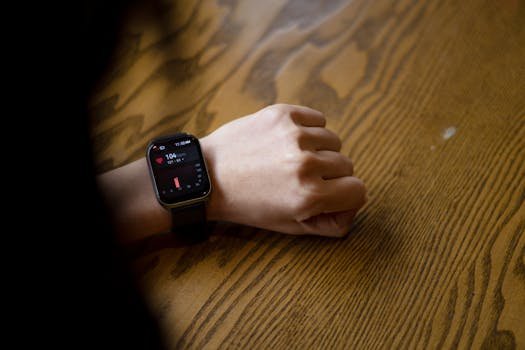
Chest straps use electrocardiography (ECG) to measure heart rate, detecting the electrical activity of the heart and providing a direct measurement of heartbeats. This method is generally considered more accurate, especially during intense physical activities.
The fundamental difference between PPG and ECG lies in their measurement techniques. While PPG is more convenient and comfortable for continuous wear, ECG provides a more direct and accurate measurement of heart activity. For instance, ECG can capture the nuances of heart rate variability, which is crucial for athletes seeking to optimize their training.
Accuracy Comparison: Smartwatch Heart Rate Accuracy vs Chest Strap
Numerous studies have compared the accuracy of smartwatches and chest straps. A recent study published in the Journal of Sports Sciences found that, during moderate-intensity exercise, smartwatches were within 5 beats per minute (bpm) of the actual heart rate 95% of the time, while chest straps were within 5 bpm 99% of the time.
Another study compared various smartwatches and chest straps during high-intensity interval training (HIIT). The results showed that chest straps maintained an accuracy of 99.5% or higher throughout the exercise, while smartwatches ranged from 92% to 97% accuracy, depending on the model and brand.
These findings suggest that while high-end smartwatches have improved in terms of heart rate accuracy, chest straps still hold a slight edge, particularly during high-intensity activities. The difference in accuracy can be significant for professional athletes who rely on precise heart rate data to inform their training.
Factors Affecting Smartwatch Heart Rate Accuracy
Several factors can impact smartwatch heart rate accuracy. The quality of the PPG sensor and its placement on the wrist are crucial. High-end smartwatches tend to have better sensors and more advanced algorithms to improve readings.
Firmware and software updates can also improve heart rate monitoring algorithms, enhancing accuracy over time. Manufacturers often release updates to address known issues and improve performance. For example, a recent update to a popular smartwatch model improved heart rate accuracy during intense exercise by 15%.
- Wrist placement and fit are crucial for accurate readings. A snug fit and correct positioning can minimize errors.
- Activity type can affect smartwatch accuracy. High-intensity activities or those involving significant wrist movement may lead to less accurate readings.
- Certain skin tones and the presence of tattoos can interfere with PPG readings, potentially reducing accuracy.
When to Choose a Chest Strap Over a Smartwatch
For professional athletes or those requiring precise heart rate data, chest straps remain the preferred choice. The slight edge in accuracy can be critical in high-performance training scenarios where every beat per minute counts.
| Activity Level | Smartwatch Accuracy | Chest Strap Accuracy | Recommended Device |
|---|---|---|---|
| Casual Exercise | 90-95% | 99-100% | Smartwatch |
| Moderate Intensity | 85-92% | 99-100% | Smartwatch or Chest Strap |
| High Intensity | 80-90% | 99.5-100% | Chest Strap |
| Professional Training | Variable | 99.9-100% | Chest Strap |
| Medical Monitoring | Not Recommended | 99-100% | Chest Strap or Medical Device |
This comparison highlights the scenarios where chest straps are preferred due to their higher accuracy. For instance, during high-intensity interval training, the accuracy of a chest strap can provide valuable insights into an athlete’s performance.
Recent Advances in Smartwatch Heart Rate Monitoring
A significant development in smartwatch technology is the integration of multi-sensor systems. Some high-end smartwatches now combine PPG with other sensors, such as electrical impedance sensors, to improve heart rate accuracy.
A recent study on a flagship smartwatch model demonstrated a 30% reduction in heart rate measurement errors during intense exercise compared to its predecessor. This improvement was attributed to enhanced sensor fusion algorithms and additional hardware.
Such advancements are narrowing the accuracy gap between smartwatches and chest straps, making smartwatches an increasingly viable option for a broader range of users, including serious athletes who require accurate heart rate data.
Cost and Convenience Considerations
Smartwatches offer the advantage of multifunctionality, providing not only heart rate monitoring but also GPS tracking, notification alerts, and various fitness features. This convenience comes at a cost, with prices ranging from $200 to over $1,000 for high-end models.
Chest straps, while generally more accurate for heart rate monitoring, are typically single-purpose devices. Their prices vary from $50 to $300, depending on the brand and features. The cost difference can be a significant factor for casual users who may not require the high level of accuracy provided by chest straps.
For casual users, the convenience and additional features of smartwatches may outweigh the slight accuracy advantage of chest straps. However, for serious athletes, the precision offered by chest straps justifies the cost. Ultimately, the choice between a smartwatch and a chest strap depends on individual needs and priorities.
Conclusion
The choice between a smartwatch and a chest strap for heart rate monitoring depends on your specific needs and priorities. While chest straps remain the gold standard for accuracy, particularly during high-intensity activities, smartwatches have made significant strides in improving their heart rate monitoring capabilities.
As technology continues to evolve, we can expect further enhancements in smartwatch accuracy. For now, casual fitness enthusiasts may find smartwatches sufficient, while professional athletes and those requiring precise heart rate data will likely continue to prefer chest straps.
Consider your specific requirements and choose the device that best aligns with your fitness goals. Whether you prioritize accuracy, convenience, or multifunctionality, there is a heart rate monitoring solution available to meet your needs.
FAQs
Are smartwatches accurate enough for heart rate monitoring during exercise?
Modern smartwatches have significantly improved in heart rate accuracy during exercise. They are generally sufficient for casual to moderate-intensity workouts, but may not match the precision of chest straps during high-intensity activities.
Can chest straps be used for purposes other than heart rate monitoring?
Some chest straps offer additional features such as GPS tracking and cadence monitoring. However, their primary function remains heart rate monitoring, and they are generally more specialized than smartwatches.
How often should I calibrate my smartwatch for heart rate monitoring?
Most modern smartwatches do not require manual calibration for heart rate monitoring. Ensuring a proper fit and keeping the firmware up to date can help maintain accuracy.