
The human gut microbiome, comprising trillions of microorganisms living in the gastrointestinal tract, has emerged as a critical factor in overall health, particularly mental health. Recent research has further solidified the connection between the gut microbiome and mental well-being, highlighting the complex interactions between gut bacteria, the brain, and behavior. Understanding how the gut microbiome influences mental health is crucial for developing novel therapeutic strategies for mental health disorders.
As we explore the intricate relationship between the gut microbiome and mental health, this article will provide an in-depth examination of the current scientific understanding. We will analyze the mechanisms by which the gut microbiome affects mental health, discuss the latest research findings, and examine the potential therapeutic implications. By the end of this article, readers will have a comprehensive understanding of the gut microbiome’s influence on mental health and the potential avenues for future research and treatment.
The Gut-Brain Axis: Understanding the Connection
The gut-brain axis refers to the bidirectional communication network between the central nervous system (CNS) and the enteric nervous system (ENS), with the gut microbiome playing a pivotal role. This complex network involves various signaling pathways, including neural, hormonal, and immune-mediated interactions. The gut microbiome produces neurotransmitters, hormones, and metabolites that can influence brain function and behavior. For instance, certain gut bacteria produce serotonin and dopamine, neurotransmitters crucial for mood regulation.
Research has shown that the gut microbiome influences the development and function of the brain, particularly in regions associated with emotional processing and stress response. Studies using germ-free mice have demonstrated alterations in brain structure and function compared to mice with a normal gut microbiome. These findings suggest that the gut microbiome is essential for normal brain development and function.
The implications of this bidirectional communication are significant for mental health. Dysbiosis, or an imbalance in the gut microbiome, has been linked to various mental health disorders, including depression, anxiety, and autism spectrum disorder. Understanding the mechanisms underlying this connection is crucial for developing targeted interventions that address how the gut microbiome influences mental health.
Mechanisms of Gut Microbiome Influence on Mental Health
The gut microbiome influences mental health through several key mechanisms. One primary pathway is the production of neuroactive compounds, such as neurotransmitters and their precursors, which can directly affect brain function. For example, certain bacteria produce gamma-aminobutyric acid (GABA), a neurotransmitter that helps regulate anxiety and stress responses.
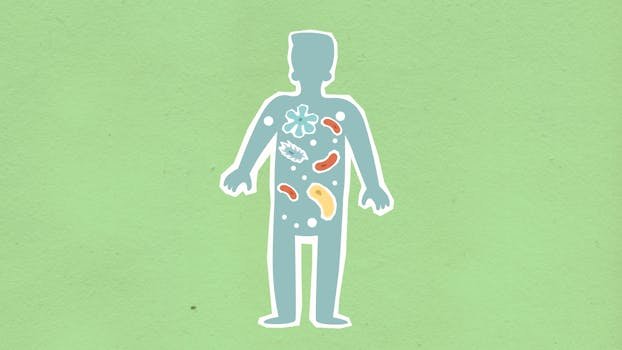
Another important mechanism is the modulation of the immune system. The gut microbiome plays a crucial role in shaping the immune response, and dysbiosis can lead to increased inflammation, which has been linked to various mental health disorders. Chronic inflammation can affect brain function and contribute to the development of depression and other mental health conditions.
The gut microbiome also produces metabolites, such as short-chain fatty acids (SCFAs), which can affect brain function and behavior. SCFAs have been shown to have anti-inflammatory properties and can influence the integrity of the blood-brain barrier. The production of these metabolites is a key aspect of the gut microbiome’s influence on mental health.
Key Factors Affecting the Gut Microbiome
Diet is a significant factor that affects the gut microbiome. A diet high in processed foods and low in fiber can lead to dysbiosis. Consuming a balanced diet rich in fruits, vegetables, and whole grains can support a healthy gut microbiome. For example, a diet rich in fiber can promote the growth of beneficial bacteria, such as Bifidobacterium and Lactobacillus.
The use of antibiotics and other medications can also disrupt the balance of the gut microbiome. Other factors, such as chronic stress, can alter the gut microbiome composition. Stress management techniques, such as meditation and exercise, can help maintain a healthy gut-brain axis. Environmental factors, such as exposure to toxins and pollutants, can also impact the gut microbiome.
Genetic factors can influence an individual’s gut microbiome composition. Understanding the interplay between genetics and the gut microbiome is an area of ongoing research. This knowledge can help develop personalized interventions based on an individual’s unique gut microbiome profile.
Gut Microbiome and Mental Health Disorders
Research has established a link between the gut microbiome and various mental health disorders. For instance, studies have shown that individuals with depression often have altered gut microbiome compositions compared to healthy controls. Similarly, anxiety disorders have been associated with changes in gut bacteria.
| Mental Health Disorder | Common Gut Microbiome Alterations | Potential Therapeutic Approaches |
|---|---|---|
| Depression | Reduced diversity, decreased Faecalibacterium | Probiotics, prebiotics, dietary interventions |
| Anxiety | Altered Bifidobacterium and Lactobacillus levels | Psychobiotics, stress management techniques |
| Autism Spectrum Disorder | Changes in Clostridium and Bacteroides species | Mikrobiome-targeted therapies, dietary modifications |
The gut microbiome’s role in autism spectrum disorder is also an area of active investigation. Research is ongoing to understand the specific mechanisms underlying this connection and to develop targeted interventions.
Therapeutic Implications and Future Directions
A recent study found that psychobiotics, specific probiotics that confer mental health benefits, can significantly reduce symptoms of depression and anxiety. This finding highlights the potential of gut microbiome-targeted therapies for mental health treatment.
The therapeutic potential of targeting the gut microbiome for mental health treatment is vast. Ongoing research is focused on identifying specific microbial targets and developing personalized interventions based on an individual’s gut microbiome profile.
As research continues to uncover the complex interactions between the gut microbiome and mental health, the potential for innovative treatments is significant. Clinicians and researchers are working together to translate these findings into clinical practice, offering new hope for individuals with mental health disorders.
Conclusion
The gut microbiome plays a crucial role in influencing mental health through various biochemical and physiological pathways. Understanding this complex relationship is essential for developing novel therapeutic strategies for mental health disorders.
By targeting the gut microbiome, researchers and clinicians can potentially develop more effective treatments for a range of mental health conditions. Future studies will continue to elucidate the mechanisms underlying this connection and explore new therapeutic avenues.
For individuals interested in supporting their mental health through gut microbiome modulation, consulting with a healthcare professional about potential interventions, such as dietary changes or probiotic supplementation, is a recommended first step.
FAQs
Can changing my diet improve my mental health through the gut microbiome?
Yes, dietary changes can positively impact your mental health by influencing the gut microbiome. Consuming a diet rich in fiber, fruits, and vegetables can support a healthy gut microbiome. A balanced diet can promote the growth of beneficial bacteria.
Are probiotics effective in treating mental health disorders?
Some studies suggest that certain probiotics, known as psychobiotics, can have a positive effect on mental health by reducing symptoms of depression and anxiety. These probiotics can be used as a complementary therapy under the guidance of a healthcare professional.
How does stress affect the gut microbiome and mental health?
Chronic stress can alter the composition of the gut microbiome, potentially leading to mental health issues. Managing stress through techniques like meditation and exercise can help maintain a healthy gut-brain axis and support mental well-being.