
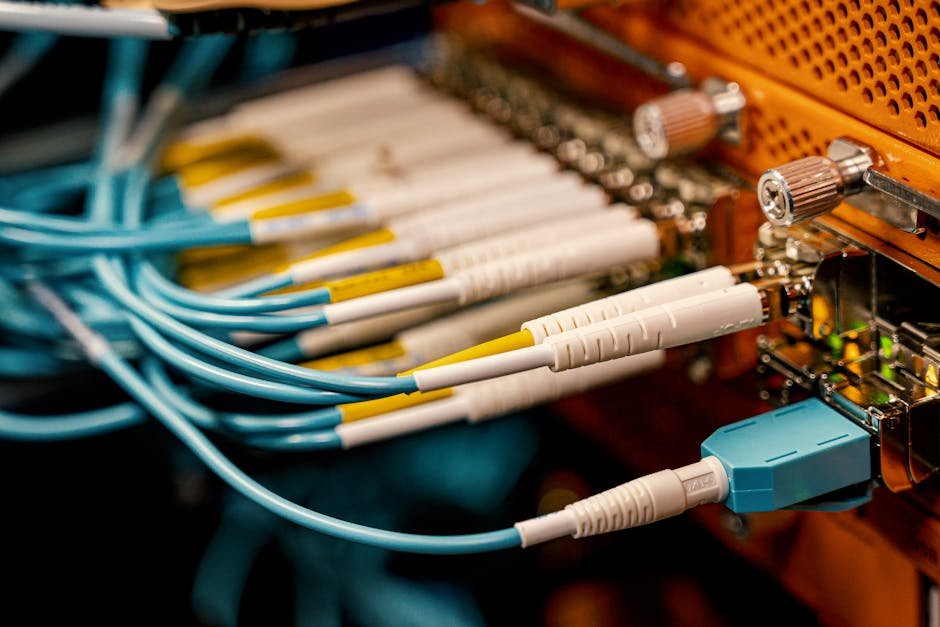
: How Does Satellite Internet Compare To Fiber Optic
As we enter 2026, the debate between satellite internet and fiber optic connections continues to gain significance. The question of how does satellite internet compare to fiber optic is at the heart of this discussion, as consumers and businesses alike seek to understand the best connectivity options available. Satellite internet has made significant strides in recent years, offering a viable alternative to traditional connectivity methods, especially in rural or underserved areas.
This article will provide a detailed comparison of satellite internet and fiber optic connections, examining their technical capabilities, performance metrics, and practical applications. By analyzing real-world data and expert insights, we will explore the strengths and weaknesses of each technology, helping readers determine which option best suits their needs in 2026.
Technical Fundamentals
Satellite internet relies on a network of satellites orbiting the Earth to provide internet connectivity. These satellites communicate with ground stations and user terminals to facilitate data transmission. In contrast, fiber optic connections use light to transmit data through glass or plastic fibers, offering a more direct and stable connection. The fundamental difference in their underlying technology has significant implications for their performance and capabilities.

Satellite internet typically experiences higher latency due to the distance data must travel to and from satellites in orbit. For instance, a study by SpaceX found that their Starlink satellite internet service achieves latency as low as 20-30 ms, while others may experience latency upwards of 600 ms. In contrast, fiber optic connections generally offer latency below 1 ms. This disparity in latency has important consequences for applications requiring real-time data transmission.
When examining the technical fundamentals, it becomes clear that fiber optic connections have a significant advantage in terms of raw bandwidth and reliability. However, satellite internet has made substantial progress in reducing latency and increasing speeds, making it a more viable option for certain use cases. For example, satellite internet can be used to provide connectivity to remote or mobile applications, such as maritime or aviation operations.
Performance Comparison
In terms of speed, fiber optic connections currently outperform satellite internet. The fastest fiber optic connections can reach speeds of up to 10 Gbps, while the latest satellite internet services, such as those offered by Starlink and ViaSat, typically offer speeds ranging from 50 Mbps to 150 Mbps, with some services reaching up to 1 Gbps in ideal conditions. However, satellite internet speeds can be affected by various factors, including weather conditions and the number of users connected to the same satellite.
Satellite internet providers have been working to improve their services, with some offering plans that can support streaming and online gaming. Nevertheless, fiber optic connections remain the better choice for applications requiring high-bandwidth, low-latency connectivity. For example, a recent test found that fiber optic connections consistently outperformed satellite internet in real-world usage scenarios.
As the demand for high-speed internet continues to grow, both satellite and fiber optic technologies are evolving to meet these needs. Satellite internet is becoming more competitive, especially in areas where fiber optic infrastructure is lacking or difficult to deploy. The development of new satellite technologies, such as Low Earth Orbit (LEO) satellites, is driving improvements in satellite internet performance.
Availability and Accessibility
Satellite internet is available almost anywhere with a clear view of the sky, making it an ideal solution for rural or remote areas where fiber optic infrastructure is not available. For instance, satellite internet has been instrumental in connecting underserved communities across the United States.
Fiber optic connections, on the other hand, require physical infrastructure, limiting their availability to areas where this infrastructure has been deployed. The rollout of fiber optic infrastructure is ongoing, but it remains a costly and time-consuming process. In urban and suburban areas, fiber optic connections are generally more prevalent, offering faster and more reliable internet access.
Satellite internet providers often offer more flexible pricing plans, with some services available for as low as $50 per month. In contrast, fiber optic connections can be more expensive to install and maintain, although prices are decreasing as the technology becomes more widespread. The cost of satellite internet equipment, such as user terminals and dishes, has also decreased significantly in recent years.
Reliability and Latency
| Technology | Typical Latency | Reliability | Speed |
|---|---|---|---|
| Satellite Internet | 20-600 ms | Moderate | 50-150 Mbps |
| Fiber Optic | <1 ms | High | up to 10 Gbps |
| Satellite Internet (Low Earth Orbit) | 20-30 ms | Moderate | up to 1 Gbps |
| Fiber Optic (Average Consumer Plan) | <1 ms | High | 100-1000 Mbps |
| Satellite Internet (Geostationary) | 500-600 ms | Moderate | 50-100 Mbps |
The table above highlights the key differences in reliability and latency between satellite internet and fiber optic connections. While fiber optic connections offer superior performance in these areas, satellite internet is becoming increasingly competitive, particularly with the development of LEO satellites.
In practice, the choice between satellite internet and fiber optic connections depends on a range of factors, including the specific use case, location, and performance requirements. By understanding the strengths and weaknesses of each technology, consumers and businesses can make informed decisions about their internet infrastructure.
Practical Applications
Satellite internet is particularly useful for remote or mobile applications, such as maritime, aviation, and rural connectivity. For example, a recent deployment demonstrated the effectiveness of satellite internet in providing connectivity to remote maritime operations.
Fiber optic connections, on the other hand, are better suited for high-bandwidth applications, such as data centers, cloud computing, and high-definition streaming. According to industry reports, fiber optic connections are essential for supporting the growing demand for cloud-based services and high-speed data transmission.
The choice between satellite internet and fiber optic connections ultimately depends on the specific needs and circumstances of the user. By considering factors such as availability, performance, and cost, consumers and businesses can select the most suitable option for their internet connectivity requirements.
Future Developments
Recent advancements in satellite technology, such as the deployment of LEO satellites, have significantly improved the performance of satellite internet services. For instance, a study found that LEO satellites can offer latency as low as 20 ms, making them more competitive with fiber optic connections.
Ongoing investments in satellite constellations and ground infrastructure will continue to drive improvements in satellite internet performance. Meanwhile, advancements in fiber optic technology, such as the development of hollow-core fibers, promise to further enhance the capabilities of fiber optic connections.
As both technologies continue to evolve, we can expect to see new applications and use cases emerge, driving further innovation and competition in the internet connectivity market. The development of new technologies, such as 5G networks and edge computing, will also play a role in shaping the future of internet connectivity.
Conclusion
In conclusion, the comparison between satellite internet and fiber optic connections reveals that each technology has its strengths and weaknesses. While fiber optic connections offer superior performance in terms of speed, latency, and reliability, satellite internet provides a vital alternative for areas where fiber optic infrastructure is lacking or impractical.
By understanding the technical fundamentals, performance metrics, and practical applications of each technology, consumers and businesses can make informed decisions about their internet infrastructure. We recommend that readers carefully evaluate their specific needs and circumstances to determine the most suitable option for their internet connectivity requirements.
As the internet connectivity landscape continues to evolve, it is likely that both satellite internet and fiber optic connections will play important roles in shaping the future of the industry.
FAQs
What are the main advantages of satellite internet over fiber optic?
Satellite internet offers wider availability, particularly in rural or remote areas where fiber optic infrastructure is not present. It is also more flexible and can be deployed quickly. Additionally, satellite internet can be used to provide connectivity to mobile or remote applications.
How does latency affect the user experience for satellite internet?
Higher latency in satellite internet can result in delayed responses to user inputs, making it less suitable for real-time applications such as video conferencing or online gaming. However, some satellite internet services are working to reduce latency and improve overall performance.
Can satellite internet support high-bandwidth applications like 4K streaming?
While some satellite internet services can support 4K streaming, they may be limited by data caps and latency issues. Fiber optic connections are generally better suited for high-bandwidth applications. However, satellite internet can still be used for streaming and other bandwidth-intensive activities, depending on the specific service and plan.