
How to Reduce Chronic Inflammation Naturally: Proven Strategies for 2026
Chronic inflammation is a persistent, low-grade inflammatory response that can last for months or even years, damaging tissues and organs over time. In 2026, reducing chronic inflammation naturally has become a priority for many health-conscious individuals due to its link to conditions such as arthritis, cardiovascular disease, diabetes, and certain mental health disorders.
Recent studies have highlighted the importance of lifestyle changes and natural interventions in reducing chronic inflammation. This article will explore evidence-based strategies to help you reduce chronic inflammation naturally, covering dietary changes, lifestyle modifications, and natural supplements. By the end of this article, you will have a comprehensive understanding of how to incorporate these strategies into your daily life to achieve better health.
Dietary Changes to Reduce Chronic Inflammation Naturally
The food we eat plays a significant role in either promoting or reducing inflammation. Diets high in processed foods, sugars, and unhealthy fats can exacerbate chronic inflammation, while diets rich in whole foods, fruits, and vegetables can help reduce it. Research continues to support the benefits of an anti-inflammatory diet, which focuses on consuming foods known to reduce inflammation.
One key component of an anti-inflammatory diet is the inclusion of foods rich in omega-3 fatty acids, such as fatty fish, flaxseeds, and walnuts. Omega-3s have been shown to have potent anti-inflammatory effects by reducing the production of inflammatory cytokines. Foods high in antioxidants, such as berries and leafy greens, also help combat oxidative stress, a major contributor to chronic inflammation.
To implement an anti-inflammatory diet effectively, it’s essential to not only include beneficial foods but also to avoid or limit pro-inflammatory foods. Reducing intake of processed meats, refined sugars, and foods high in saturated and trans fats can significantly reduce chronic inflammation levels. For example, replacing processed snacks with fruits and nuts can be a simple yet effective change.
The Role of Exercise in Reducing Chronic Inflammation
Regular physical activity is a powerful tool in the fight against chronic inflammation. Exercise has been shown to reduce inflammatory markers in the body, improve immune function, and enhance overall health. Studies continue to emphasize the importance of incorporating regular exercise into one’s lifestyle to combat chronic inflammation.

Aerobic exercises, such as walking, cycling, and swimming, are particularly effective in reducing inflammation. These activities improve cardiovascular health, reduce body fat, and enhance the body’s anti-inflammatory responses. Resistance training also plays a crucial role by building muscle mass, which further aids in reducing inflammation.
Finding a balance and choosing exercises that are enjoyable and sustainable in the long term is essential. Consistency is key, as regular physical activity over time yields the best results in reducing chronic inflammation. Even moderate-intensity exercise, such as brisk walking, can be beneficial when done consistently.
Stress Management and Chronic Inflammation
Chronic stress is a significant contributor to chronic inflammation. When we experience stress, our bodies release stress hormones like cortisol, which can trigger inflammatory responses. Managing stress effectively is crucial in reducing chronic inflammation. Techniques such as mindfulness and meditation have been shown to lower cortisol levels and reduce inflammation.
In addition to these practices, getting adequate sleep is vital. Poor sleep quality and duration can lead to increased inflammation, making it harder to manage chronic inflammation. Ensuring 7-9 hours of quality sleep per night can help regulate the body’s inflammatory responses. Other stress-reduction techniques, such as deep breathing exercises and yoga, can also be beneficial.
- Mindfulness and meditation: Regular practice can reduce stress and lower inflammatory markers. Starting with just 10 minutes a day can be beneficial.
- Deep breathing exercises: Techniques such as diaphragmatic breathing can help reduce stress and promote relaxation.
- Yoga: Combining physical movement with mindfulness, yoga can be an effective way to manage stress and reduce inflammation.
- Adequate sleep: Prioritizing good sleep hygiene is crucial. Avoiding screens before bedtime and limiting caffeine intake can improve sleep quality.
- Leisure activities: Engaging in hobbies and activities that bring joy can help reduce stress levels. Making time for leisure is important.
Natural Supplements for Chronic Inflammation
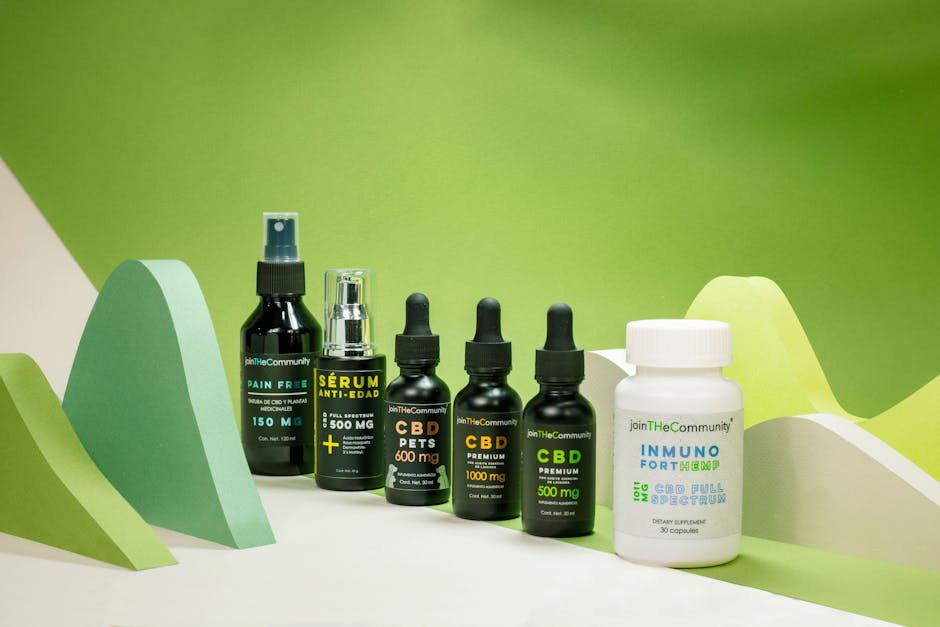
While diet and lifestyle changes are foundational in reducing chronic inflammation, certain natural supplements can provide additional support. Supplements such as omega-3 fatty acids, curcumin, and ginger have been studied for their anti-inflammatory properties.
| Supplement | Anti-inflammatory Effects | Recommended Dosage |
|---|---|---|
| Omega-3 Fatty Acids | Reduces production of inflammatory cytokines | 1,000-2,000 mg EPA/DHA per day |
| Curcumin | Potent anti-inflammatory and antioxidant effects | 500-2,000 mg per day, with bioavailability enhancer |
| Ginger | Reduces inflammation through various pathways | 250-500 mg per day, or as fresh ginger |
| Green Tea Extract | Antioxidant and anti-inflammatory properties | 250-500 mg per day, standardized to EGCG |
| Resveratrol | Modulates inflammatory pathways | 50-200 mg per day |
It’s essential to consult with a healthcare professional before adding any supplements to your regimen to ensure they are used effectively and safely.
The Impact of Environmental Factors on Chronic Inflammation
Environmental factors, such as exposure to pollutants and toxins, can contribute to chronic inflammation. Reducing exposure to these factors is an important aspect of managing inflammation. Using air purifiers and minimizing exposure to heavy metals and pesticides can help reduce inflammatory triggers.
Our surroundings play a significant role in our overall health. Making conscious choices about our environment can positively impact reducing chronic inflammation. Simple changes, such as using non-toxic household cleaners and avoiding plastics that contain BPA and phthalates, can contribute to a healthier lifestyle.
By being mindful of our environment and taking steps to reduce exposure to harmful substances, we can further support our efforts to reduce chronic inflammation naturally. This includes being aware of the air quality in our homes and workplaces and taking steps to improve it.
Conclusion
Reducing chronic inflammation naturally requires a multifaceted approach that includes dietary changes, regular exercise, stress management, and the use of certain natural supplements. By incorporating these strategies into your daily life, you can significantly reduce your risk of chronic diseases associated with inflammation.
As you move forward, consider starting with one or two changes and gradually building upon them. Whether it’s adding more anti-inflammatory foods to your diet or starting a new exercise routine, every step you take brings you closer to better health. Consistency and making sustainable lifestyle changes are key to achieving long-term benefits.
By taking control of your health today and implementing these evidence-based strategies, you can reduce chronic inflammation naturally and improve your overall well-being.
FAQs
What are the first steps to reducing chronic inflammation naturally?
Start by making dietary changes, such as increasing your intake of anti-inflammatory foods like fatty fish, fruits, and vegetables, while reducing processed foods and sugars. Incorporating regular exercise and stress management techniques can also have a significant impact.
Can supplements alone reduce chronic inflammation?
While certain supplements have anti-inflammatory properties, they should not be relied upon as the sole solution. A comprehensive approach that includes diet, exercise, and stress management is more effective.
How long does it take to see results from reducing chronic inflammation?
The time it takes to see results can vary depending on the individual and the extent of the changes made. Some people may notice improvements within a few weeks, while for others, it may take several months. Consistency is key to achieving long-term benefits.