
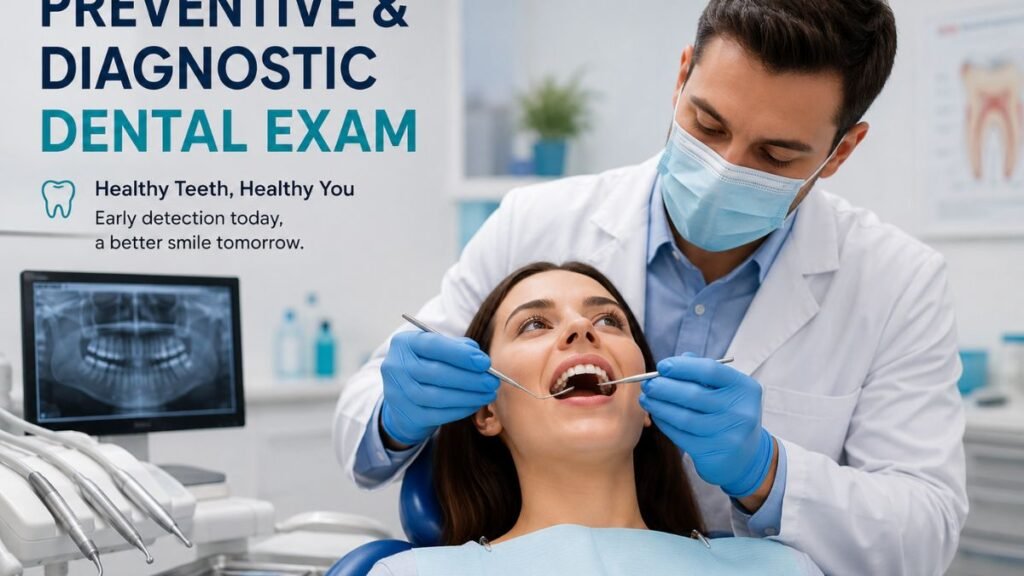
A Preventive and Diagnostic Dental Exam is one of the most effective ways to maintain healthy teeth and gums throughout your life. Rather than waiting until pain or discomfort develops, preventive dental care focuses on identifying potential problems before they become serious. This proactive approach not only protects your smile but also helps reduce the need for costly and complex dental treatments in the future.
Modern dentistry has evolved significantly over the past decade. Today’s dental exams combine advanced diagnostic technologies with comprehensive oral health evaluations to detect cavities, gum disease, oral infections, bite issues, and even early signs of oral cancer. These examinations provide dentists with the information they need to create personalized treatment plans that support both oral and overall health.
Many people mistakenly believe they only need to visit the dentist when they experience tooth pain. In reality, many dental conditions develop silently without noticeable symptoms. Regular preventive and diagnostic examinations allow dentists to detect these issues at an early stage when treatment is often simpler, less invasive, and more affordable.
Whether you’re visiting the dentist for the first time in years or scheduling your routine six-month checkup, understanding what happens during a preventive and diagnostic dental exam can help you feel more confident and prepared.
What Is a Preventive and Diagnostic Dental Exam?
A Preventive and Diagnostic Dental Exam is a comprehensive evaluation of your oral health designed to prevent disease and diagnose dental conditions before they progress. It combines a visual examination, diagnostic imaging when necessary, periodontal assessment, and a review of your medical and dental history.
Unlike emergency dental visits that focus on treating existing pain or damage, preventive examinations emphasize maintaining healthy teeth and gums through early detection and routine monitoring.
During the examination, your dentist carefully evaluates:
- Teeth for cavities and enamel wear
- Gum health and signs of periodontal disease
- Existing fillings, crowns, bridges, and implants
- Bite alignment
- Jaw function
- Oral tissues, including the tongue and cheeks
- Early signs of oral cancer
- Bone health through diagnostic imaging when appropriate
This thorough evaluation provides a complete picture of your oral health and allows your dentist to recommend preventive treatments tailored to your individual needs.
Why Preventive Dental Exams Matter
Preventive dental care offers far more than clean teeth. Regular examinations play an essential role in preserving oral health and supporting overall wellness.
Early Detection Saves Teeth
Dental decay often begins without causing pain. Small cavities may go unnoticed for months until they reach deeper layers of the tooth. Early detection allows dentists to treat minor decay with small fillings before root canals or extractions become necessary.
Preventing Gum Disease
Gum disease remains one of the leading causes of tooth loss among adults. During routine exams, dentists measure gum pockets, evaluate inflammation, and identify early signs of gingivitis before it progresses into advanced periodontal disease.
Detecting Oral Cancer Early
One of the most valuable components of a preventive dental exam is the oral cancer screening. Dentists examine the lips, tongue, throat, cheeks, and other oral tissues for unusual lesions, lumps, or discoloration. Early diagnosis greatly improves treatment outcomes.
Monitoring Existing Dental Work
Fillings, crowns, veneers, bridges, and implants require regular monitoring. Even high-quality dental restorations can wear over time. Routine examinations help identify damage before it leads to additional complications.
Supporting Overall Health
Research continues to demonstrate strong connections between oral health and systemic health. Poor oral hygiene has been associated with conditions such as cardiovascular disease, diabetes, respiratory infections, and pregnancy complications. Preventive dental exams contribute to better overall health by reducing chronic oral inflammation.
Components of a Preventive and Diagnostic Dental Exam
Although every patient receives individualized care, most preventive and diagnostic dental exams include several important steps.
Medical History Review
The appointment usually begins with a review of your current health status. Your dentist may ask about:
- Current medications
- Allergies
- Medical conditions
- Previous dental treatments
- Family history of oral diseases
- Lifestyle habits such as smoking or alcohol use
Understanding your medical history helps your dentist provide safe and effective treatment.
Comprehensive Visual Examination
The dentist carefully inspects every tooth and surrounding oral tissues using specialized instruments and magnification when needed.
During this evaluation, the dentist checks for:
- Tooth decay
- Cracked teeth
- Worn enamel
- Gum recession
- Plaque buildup
- Tartar deposits
- Tooth mobility
- Bite problems
- Jaw abnormalities
The examination also includes checking previous restorations for signs of wear or leakage.
Digital Dental X-Rays
Not every dental problem is visible to the naked eye. Digital X-rays help identify:
- Hidden cavities
- Bone loss
- Impacted teeth
- Root infections
- Cysts
- Developing wisdom teeth
- Abscesses
Modern digital imaging uses significantly less radiation than traditional film-based X-rays while producing highly detailed images that improve diagnostic accuracy.
Periodontal (Gum) Evaluation
Healthy gums provide the foundation for healthy teeth. During the examination, your dentist or dental hygienist measures the depth of the spaces between your teeth and gums using a periodontal probe.
This assessment helps identify:
- Gingivitis
- Periodontitis
- Gum recession
- Bone loss
- Bleeding gums
- Areas requiring deep cleaning
Early periodontal treatment can prevent irreversible damage and reduce the risk of tooth loss.
Oral Cancer Screening
One of the most important parts of a Preventive and Diagnostic Dental Exam is screening for oral cancer. Oral cancer can affect the lips, tongue, cheeks, gums, floor of the mouth, hard and soft palate, and throat. In its early stages, it often develops without noticeable pain or symptoms, making regular dental visits essential.
During the screening, your dentist carefully examines the soft tissues inside your mouth and checks for:
- White or red patches
- Persistent sores
- Lumps or thickened tissue
- Unusual swelling
- Changes in the texture or color of oral tissues
- Difficulty swallowing or moving the tongue
If any suspicious area is found, your dentist may recommend monitoring it, taking additional diagnostic images, or referring you to a specialist for further evaluation. Early detection significantly improves treatment outcomes and recovery rates.
Professional Dental Cleaning
Although a professional cleaning may be scheduled separately depending on your oral health needs, it is often performed during the same appointment as a preventive dental exam.
A dental hygienist removes plaque and hardened tartar (calculus) that cannot be eliminated through brushing and flossing alone. The cleaning process typically includes:
Plaque and Tartar Removal
Specialized instruments remove deposits from the surfaces of the teeth and below the gumline.
Tooth Polishing
A polishing paste smooths the tooth surface, helping reduce future plaque accumulation while removing minor surface stains.
Flossing
Professional flossing removes debris from areas that are difficult to reach during daily oral hygiene.
Fluoride Treatment
Depending on your risk of cavities, your dentist may recommend a fluoride varnish or gel to strengthen tooth enamel and help prevent decay.
Types of Preventive and Diagnostic Dental Exams
Dental examinations are not one-size-fits-all. Dentists select the appropriate type of exam based on the patient’s age, symptoms, dental history, and treatment needs.
Comprehensive Examination
A comprehensive exam is usually performed during a patient’s first visit to a dental office or after an extended period without dental care.
It includes:
- Complete oral evaluation
- Medical and dental history review
- Full-mouth X-rays when needed
- Gum assessment
- Oral cancer screening
- Bite evaluation
- Treatment planning
This exam establishes a baseline for future dental care.
Periodic Examination
A periodic exam is the routine checkup most people receive every six months.
The dentist monitors:
- Existing fillings and crowns
- Tooth decay
- Gum health
- Oral hygiene
- Changes since the previous visit
These appointments help detect problems before they become serious.
Limited Examination
A limited exam focuses on a specific concern, such as:
- Tooth pain
- Swelling
- Broken tooth
- Dental trauma
- Infection
Although narrower in scope, it may include X-rays to diagnose the immediate issue.
Emergency Examination
Emergency exams are performed when immediate treatment is necessary because of severe pain, infection, bleeding, or dental injury.
The dentist identifies the source of the problem and recommends urgent treatment.
Who Should Get a Preventive and Diagnostic Dental Exam?
Preventive dental care benefits individuals of every age.
Children
Children should begin regular dental examinations soon after their first tooth appears or by their first birthday. Early visits allow dentists to monitor tooth development and educate parents about proper oral hygiene.
Benefits include:
- Monitoring tooth eruption
- Detecting cavities early
- Applying fluoride treatments
- Evaluating bite development
- Preventing childhood tooth decay
Teenagers
Teenagers face unique dental challenges, including orthodontic treatment, wisdom teeth development, sports injuries, and dietary habits that increase cavity risk.
Routine exams help maintain healthy teeth during these important developmental years.
Adults
Adults benefit from ongoing preventive care that focuses on maintaining healthy teeth while detecting age-related conditions such as gum disease, worn restorations, and enamel erosion.
Routine exams also help monitor chronic health conditions that affect oral health, including diabetes.
Older Adults
As people age, they may experience:
- Dry mouth
- Gum recession
- Tooth wear
- Root decay
- Tooth loss
- Denture-related concerns
Regular examinations help manage these conditions and preserve oral function and comfort.
How Often Should You Schedule a Dental Exam?
Many people are familiar with the recommendation to visit the dentist every six months. While this schedule works well for many individuals, the ideal frequency depends on your oral health and risk factors.
Every Six Months
This schedule is suitable for most patients with healthy teeth and gums. Regular visits allow dentists to identify problems early while maintaining good oral hygiene.
Every Three to Four Months
Patients with higher risks may need more frequent appointments, including those with:
- Gum disease
- Diabetes
- Heavy smokers
- Weakened immune systems
- Frequent cavities
- Orthodontic appliances
Annual Exams
Some individuals with excellent oral health may require comprehensive examinations annually while continuing routine cleanings as recommended by their dentist.
Your dentist will recommend a personalized schedule based on your individual needs.
Technology has transformed preventive dentistry, making diagnoses more accurate and patient care more comfortable.
Some of the most commonly used technologies include:
Oral Cancer Screening
One of the most important parts of a Preventive and Diagnostic Dental Exam is screening for oral cancer. Oral cancer can affect the lips, tongue, cheeks, gums, floor of the mouth, hard and soft palate, and throat. In its early stages, it often develops without noticeable pain or symptoms, making regular dental visits essential.
During the screening, your dentist carefully examines the soft tissues inside your mouth and checks for:
- White or red patches
- Persistent sores
- Lumps or thickened tissue
- Unusual swelling
- Changes in the texture or color of oral tissues
- Difficulty swallowing or moving the tongue
If any suspicious area is found, your dentist may recommend monitoring it, taking additional diagnostic images, or referring you to a specialist for further evaluation. Early detection significantly improves treatment outcomes and recovery rates.
Professional Dental Cleaning
Although a professional cleaning may be scheduled separately depending on your oral health needs, it is often performed during the same appointment as a preventive dental exam.
A dental hygienist removes plaque and hardened tartar (calculus) that cannot be eliminated through brushing and flossing alone. The cleaning process typically includes:
Plaque and Tartar Removal
Specialized instruments remove deposits from the surfaces of the teeth and below the gumline.
Tooth Polishing
A polishing paste smooths the tooth surface, helping reduce future plaque accumulation while removing minor surface stains.
Flossing
Professional flossing removes debris from areas that are difficult to reach during daily oral hygiene.
Fluoride Treatment
Depending on your risk of cavities, your dentist may recommend a fluoride varnish or gel to strengthen tooth enamel and help prevent decay.
Dental examinations are not one-size-fits-all. Dentists select the appropriate type of exam based on the patient’s age, symptoms, dental history, and treatment needs.
Comprehensive Examination
A comprehensive exam is usually performed during a patient’s first visit to a dental office or after an extended period without dental care.
It includes:
- Complete oral evaluation
- Medical and dental history review
- Full-mouth X-rays when needed
- Gum assessment
- Oral cancer screening
- Bite evaluation
- Treatment planning
This exam establishes a baseline for future dental care.always depends on the dentist’s clinical judgment.
Periodic Examination
A periodic exam is the routine checkup most people receive every six months.
The dentist monitors:
- Existing fillings and crowns
- Tooth decay
- Gum health
- Oral hygiene
- Changes since the previous visit
These appointments help detect problems before they become serious.
Limited Examination
A limited exam focuses on a specific concern, such as:
- Tooth pain
- Swelling
- Broken tooth
- Dental trauma
- Infection
Although narrower in scope, it may include X-rays to diagnose the immediate issue.
Emergency Examination
Emergency exams are performed when immediate treatment is necessary because of severe pain, infection, bleeding, or dental injury.
The dentist identifies the source of the problem and recommends urgent treatment.
Who Should Get a Preventive and Diagnostic Dental Exam?
Preventive dental care benefits individuals of every age.
Children
Children should begin regular dental examinations soon after their first tooth appears or by their first birthday. Early visits allow dentists to monitor tooth development and educate parents about proper oral hygiene.
Benefits include:
- Monitoring tooth eruption
- Detecting cavities early
- Applying fluoride treatments
- Evaluating bite development
- Preventing childhood tooth decay
Teenagers
Teenagers face unique dental challenges, including orthodontic treatment, wisdom teeth development, sports injuries, and dietary habits that increase cavity risk.
Routine exams help maintain healthy teeth during these important developmental years.
Adults
Adults benefit from ongoing preventive care that focuses on maintaining healthy teeth while detecting age-related conditions such as gum disease, worn restorations, and enamel erosion.
Routine exams also help monitor chronic health conditions that affect oral health, including diabetes.
Older Adults
As people age, they may experience:
- Dry mouth
- Gum recession
- Tooth wear
- Root decay
- Tooth loss
- Denture-related concerns
Regular examinations help manage these conditions and preserve oral function and comfort.
Comparison Chart: Preventive vs. Reactive Dental Care
Understanding the difference between preventive care and treatment after a problem develops highlights why routine dental exams are so valuable.
| Feature | Preventive and Diagnostic Dental Exam | Reactive Dental Treatment |
|---|---|---|
| Primary Goal | Prevent disease and detect problems early | Treat existing dental problems |
| Timing | Scheduled regularly before symptoms appear | Performed after pain or damage occurs |
| Cost | Generally lower over time | Often more expensive due to complex procedures |
| Comfort | Usually comfortable and minimally invasive | May involve more extensive treatment |
| Common Procedures | Exams, cleanings, X-rays, fluoride, oral cancer screening | Fillings, root canals, crowns, extractions, periodontal surgery |
| Recovery Time | Little to none | May require several days or multiple visits |
| Long-Term Benefit | Preserves natural teeth and oral health | Restores function after damage has occurred |
This comparison shows why investing in preventive care often reduces both the financial and physical burden of future dental treatment.
Common Dental Problems Detected During an Exam
A Preventive and Diagnostic Dental Exam helps identify many oral health issues before they become serious.
Tooth Decay
Small cavities often develop without pain. Detecting them early allows dentists to restore the tooth with a simple filling instead of more complex procedures like root canal therapy.
Gum Disease
Gingivitis is the earliest stage of gum disease and is usually reversible with professional care and improved oral hygiene. If left untreated, it can progress to periodontitis, which damages the bone supporting the teeth.
Cracked or Worn Teeth
Teeth can crack due to grinding, trauma, or aging. Early diagnosis helps prevent fractures from worsening and reduces the risk of tooth loss.
Tooth Grinding (Bruxism)
Many people grind their teeth during sleep without realizing it. Dentists can recognize signs of bruxism, including:
- Flattened chewing surfaces
- Worn enamel
- Jaw tenderness
- Small fractures
- Sensitive teeth
A custom night guard may be recommended to protect the teeth.
Bite Problems
Misaligned teeth and bite irregularities can contribute to uneven wear, headaches, jaw discomfort, and difficulty chewing. Routine examinations allow dentists to identify these issues early.
Oral Infections
Dental infections can spread quickly if untreated. Preventive exams help detect:
- Tooth abscesses
- Root infections
- Gum infections
- Bone infections
Early treatment reduces the likelihood of complications.
Oral Cancer
Routine screenings can reveal suspicious tissue changes before symptoms become severe, improving the chances of successful treatment.
What Happens During Your Appointment?
Knowing what to expect can help reduce anxiety and make your visit more comfortable.
Step 1: Medical History Review
Your dentist reviews any updates to your medical history, medications, allergies, and recent health changes.
Step 2: Examination
A thorough visual examination checks your:
- Teeth
- Gums
- Tongue
- Jaw
- Bite
- Existing restorations
- Soft tissues
Step 3: Diagnostic Imaging
If necessary, digital X-rays are taken to evaluate areas not visible during the clinical examination.
Step 4: Gum Assessment
The dentist or hygienist measures the health of your gums and looks for signs of periodontal disease.
Step 5: Oral Cancer Screening
Your dentist examines the mouth, throat, tongue, and surrounding tissues for abnormal changes.
Step 6: Professional Cleaning
Plaque and tartar are removed, followed by polishing and flossing. Fluoride treatment may be recommended based on your cavity risk.
Step 7: Personalized Recommendations
At the end of the appointment, your dentist discusses:
- Current oral health status
- Areas needing attention
- Preventive strategies
- Home care recommendations
- Future treatment plans if necessary
Benefits of Routine Preventive Dental Exams
Regular dental visits provide numerous long-term advantages beyond maintaining a bright smile.
Lower Long-Term Costs
Early treatment is almost always less expensive than managing advanced dental disease. Preventive care helps reduce the likelihood of costly procedures such as crowns, implants, or root canals.
Better Overall Health
Healthy gums and teeth contribute to overall well-being. Maintaining good oral health may also help reduce inflammation associated with certain systemic conditions.
Improved Confidence
Healthy teeth support a confident smile, clearer speech, and comfortable eating, all of which can positively affect personal and professional interactions.
Longer Lifespan of Dental Restorations
Routine monitoring helps ensure that fillings, crowns, bridges, and implants remain in good condition, extending their lifespan and reducing the need for replacements.
How Much Does a Preventive and Diagnostic Dental Exam Cost?
The cost of a preventive dental exam varies depending on several factors, including:
- Geographic location
- Type of dental practice
- Whether X-rays are required
- Insurance coverage
- Additional preventive treatments
Many dental insurance plans cover preventive examinations and cleanings because they reduce the need for more expensive treatments later. Patients without insurance may find that many dental offices offer preventive care packages or membership plans to make routine care more affordable.
How to Prepare for Your Dental Appointment
Preparing for your visit can help ensure a smooth and productive appointment.
Before your exam:
- Brush and floss your teeth thoroughly.
- Bring a list of current medications.
- Inform your dentist about any recent health changes or surgeries.
- Make note of any pain, sensitivity, or concerns you have experienced.
- Arrive a few minutes early to complete any necessary paperwork.
- Bring your dental insurance information if applicable.
Open communication with your dental team helps them provide care tailored to your specific needs.
Conclusion
A Preventive and Diagnostic Dental Exam is much more than a routine dental checkup—it is an essential investment in your long-term oral and overall health. By identifying cavities, gum disease, oral cancer, and other dental concerns in their earliest stages, these exams help prevent minor issues from becoming serious and costly problems. Regular visits also allow your dentist to monitor existing dental work, provide personalized oral hygiene advice, and recommend treatments that keep your smile healthy for years to come.
Combining professional dental care with daily brushing, flossing, a balanced diet, and healthy lifestyle choices creates the strongest foundation for lifelong oral wellness. Whether you’re a child, an adult, or a senior, scheduling regular preventive and diagnostic dental exams can save you time, money, and discomfort while preserving your natural teeth. Don’t wait until you experience pain—make preventive dental care a priority and enjoy the confidence that comes with a healthy, beautiful smile.
Frequently Asked Questions (FAQs)
1. What is a Preventive and Diagnostic Dental Exam?
A Preventive and Diagnostic Dental Exam is a comprehensive dental evaluation that helps detect oral health problems before they become serious. It typically includes a visual examination, gum assessment, oral cancer screening, and diagnostic X-rays when necessary.
2. How often should I have a Preventive and Diagnostic Dental Exam?
Most dentists recommend scheduling a preventive dental exam every six months. However, patients with gum disease, diabetes, frequent cavities, or other oral health risks may benefit from more frequent visits based on their dentist’s recommendations.
3. Are dental X-rays included in a Preventive and Diagnostic Dental Exam?
Dental X-rays are included when your dentist determines they are needed to evaluate areas that cannot be seen during a visual examination. Digital X-rays help detect hidden cavities, bone loss, impacted teeth, and other underlying dental conditions.
4. Does a Preventive and Diagnostic Dental Exam hurt?
No. A routine preventive dental exam is generally painless. While some patients with sensitive gums or existing dental issues may experience mild discomfort during certain parts of the examination or cleaning, the procedure is designed to be safe, gentle, and comfortable.
5. Why is a Preventive and Diagnostic Dental Exam im portant?
Regular preventive dental exams allow dentists to identify cavities, gum disease, oral cancer, bite problems, and other oral health issues early. Early diagnosis leads to simpler treatments, lower dental costs, and better long-term oral and overall health outcomes.